

What the Base Fare Actually Covers
A cruise fare is not an all-inclusive resort rate, even though the two are often compared. What you pay upfront typically covers your stateroom, main dining room meals, access to standard amenities (pools, fitness center, entertainment shows), and transportation between ports. That's a meaningful bundle - but it leaves out a significant share of what many passengers actually spend onboard.
The distinction between main dining and specialty dining is where confusion often starts. Main dining - the large, multi-course restaurant included in your fare - is genuinely included. Specialty restaurants (steakhouses, sushi bars, chef's table experiences) carry per-person cover charges that typically range from $25 to $60 per visit, depending on the line and venue.
Onboard entertainment follows a similar split. Broadway-style productions and deck parties are usually included. Cooking classes, spa treatments, and escape rooms generally are not. Understanding this two-tier structure before you board helps you set a realistic total budget. See our guide to what a daily travel budget covers for a broader framework on tracking these layered costs.
The Add-Ons That Catch Passengers Off Guard
Several costs are so consistently charged that they function as near-mandatory expenses, even though they're technically optional or itemized separately at booking.
Base Fare
The advertised per-person cruise price covering the stateroom and core inclusions. It does not account for taxes, port fees, gratuities, or onboard extras.
Daily Gratuity (Service Charge)
A per-person, per-day charge automatically added to most cruise bookings to compensate service staff. Some lines include this in the fare; others add it at checkout or onboard.
Port Fees & Taxes
Government-mandated charges tied to each port of call on the itinerary. These are non-negotiable costs that should be disclosed at the time of booking, separate from the cruise fare.
Specialty Dining
Onboard restaurants beyond the included main dining room, such as steakhouses or chef's table experiences. These carry additional per-visit cover charges not included in the base fare.
Beverage Package
A prepaid bundle covering drinks - alcoholic and/or non-alcoholic - for a flat daily rate. Financial value depends on how much and what a passenger actually drinks.
Shore Excursion
A guided tour or activity arranged at a port of call. Cruise-line excursions carry a convenience premium over independently booked alternatives but typically offer a ship-return guarantee.
Gratuities (service charges): Most major cruise lines auto-charge daily gratuities - commonly between $16 and $22 per person, per day - that cover cabin stewards, dining staff, and other service crew. On a 7-night sailing for two, that can add $224 to $308 before you've ordered a single drink. Some lines roll gratuities into the headline fare; others add them at checkout or onboard. Always check which applies before comparing fares.
Beverages: Non-alcoholic drinks beyond basic water, coffee, and juice at meals are rarely included in standard fares. Alcohol, sodas, specialty coffees, and bottled water are typically charged à la carte or through a beverage package. Packages can appear cost-effective, but they make financial sense only if your daily consumption actually matches the package's break-even point - usually 5 to 7 alcoholic drinks per day.
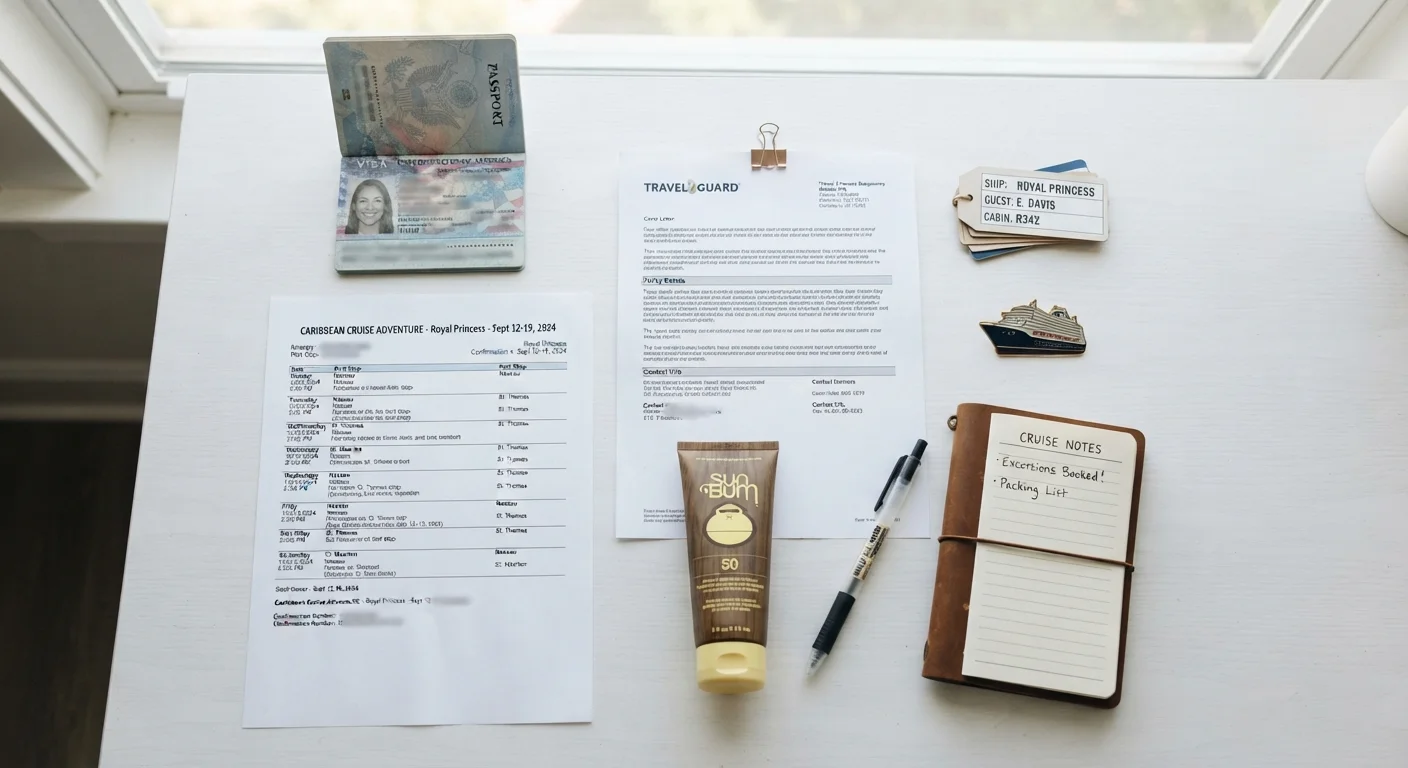
Port fees and taxes: These government-imposed charges are almost always disclosed at booking but may be listed separately from the advertised fare. They're non-negotiable and can add $50 to $200 or more per person depending on the itinerary. For a full breakdown of how fares shift between sailings, see why the same cabin can cost wildly different amounts.
Shore excursions: Booking excursions through the ship is convenient but carries a premium. Independent operators at port often offer comparable experiences at lower prices - though cruise-booked tours do provide a guarantee of return if the ship is delayed. Our detailed look at hidden costs inside cruise excursion pricing covers what to scrutinize before you book.
Wi-Fi: Internet access is charged separately on virtually every major line, with packages typically running $15 to $30 per device per day. Some loyalty tiers or suite categories include it; most standard cabins do not.
Reading the Fine Print Before You Book
The most effective way to avoid sticker shock is to treat every fare quote as a starting number, not a final cost. Request a full breakdown of port fees, taxes, and gratuity policies before comparing quotes across lines or sailing dates.
Suite Perks Can Offset a Higher Fare
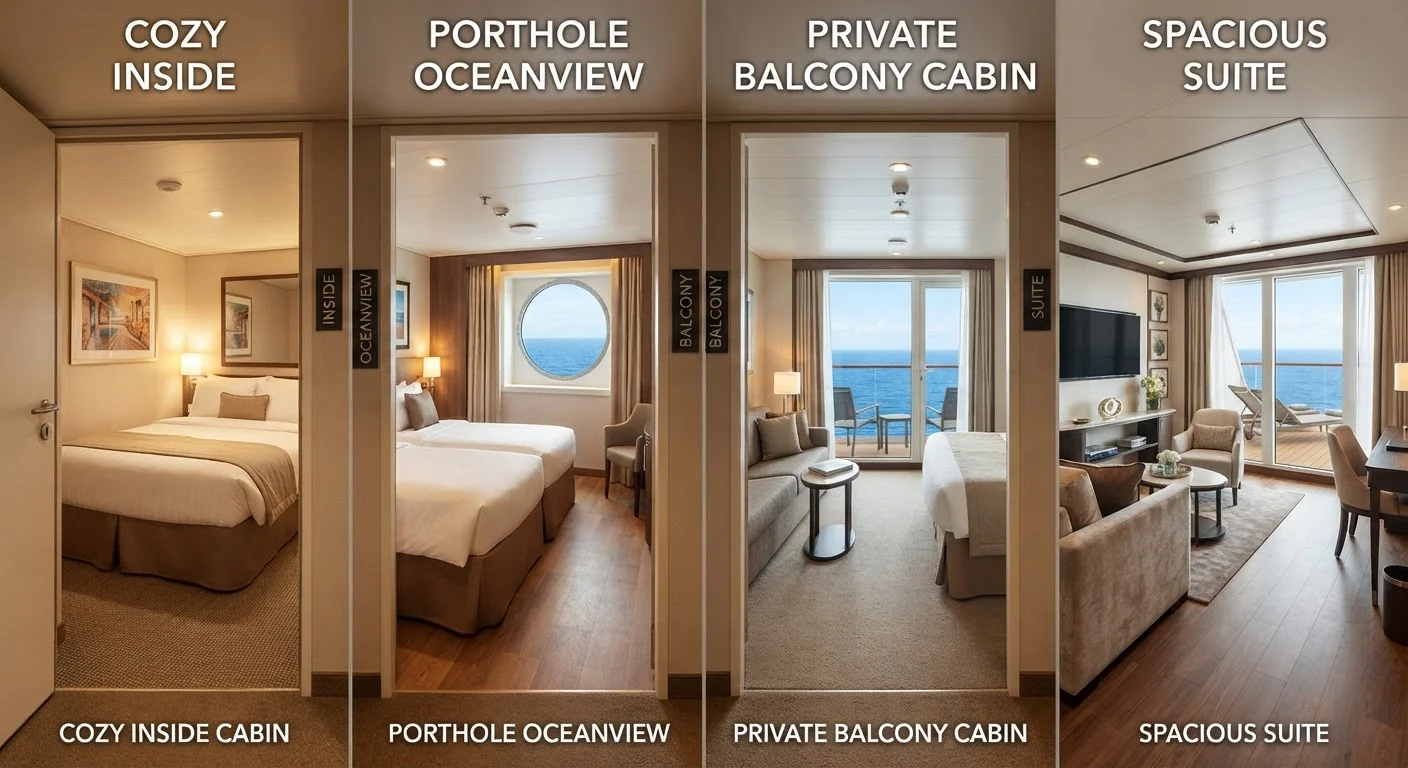
Higher cabin categories - particularly suites - frequently bundle inclusions like complimentary specialty dining, Wi-Fi, and pre-paid gratuities that are charged separately in standard cabins. Before dismissing a suite as unaffordable, calculate the total voyage cost including expected add-ons for each cabin tier. In some cases, the gap narrows considerably.
If you're weighing cabin categories, note that suites on many lines include perks - priority boarding, complimentary specialty dining, included gratuities - that can partially offset a higher sticker price. Run the numbers on total voyage cost, not just the cabin rate.
Finally, factor in travel insurance. Cruise-specific risks - missed embarkations, medical evacuations at sea, itinerary cancellations - are distinct enough to warrant dedicated coverage. Our overview of cruise travel insurance coverage explains which policy elements matter most for cruise passengers specifically.
The goal isn't to avoid spending onboard - it's to spend intentionally, on the experiences that matter to you, rather than on fees you didn't see coming.