

What a Daily Budget Is Actually Designed to Cover
A daily travel budget is a planning tool, not a magic number. It captures your variable, on-the-ground spending - the costs you encounter each day after you've landed and checked in. Understanding this scope is what separates travelers who end a trip on track from those who wonder where the money went.
The core categories a daily budget should cover include:
- Food and drink - all meals, coffee, bottled water, and any alcoholic beverages
- Local transport - metro cards, buses, taxis, ride-shares, and ferries within a destination
- Activities and entry fees - museums, tours, guided walks, national park passes
- Incidentals - sunscreen, over-the-counter medications, a forgotten charger, a souvenir
- Tips and gratuities - service tipping norms vary widely by country and should be researched in advance
For a structured framework on how to estimate each of these categories accurately, see The Building Blocks of a Realistic Daily Travel Budget.
10-15%
Recommended daily budget buffer
Travel finance planners broadly recommend a 10-15% contingency on top of estimated daily spending to absorb currency fluctuations and unplanned costs.
$3-$8
Daily tourist tax cost per person
City and regional tourist taxes in parts of Europe and Asia can add $3-$8 per person per night, a cost frequently absent from traveler daily budget estimates.
$15-$30
Average hidden daily costs missed by travelers
Combining ATM fees, dynamic currency conversion charges, tips, and local taxes, travelers commonly undercount daily spend by $15-$30 depending on destination.
What the Daily Budget Doesn't Cover - and Why That Matters
The most common budgeting mistake is treating a daily figure as a total trip figure. Several significant cost categories sit outside the daily budget by convention, and confusing them leads to chronic underestimation.
Fixed Pre-Trip Costs
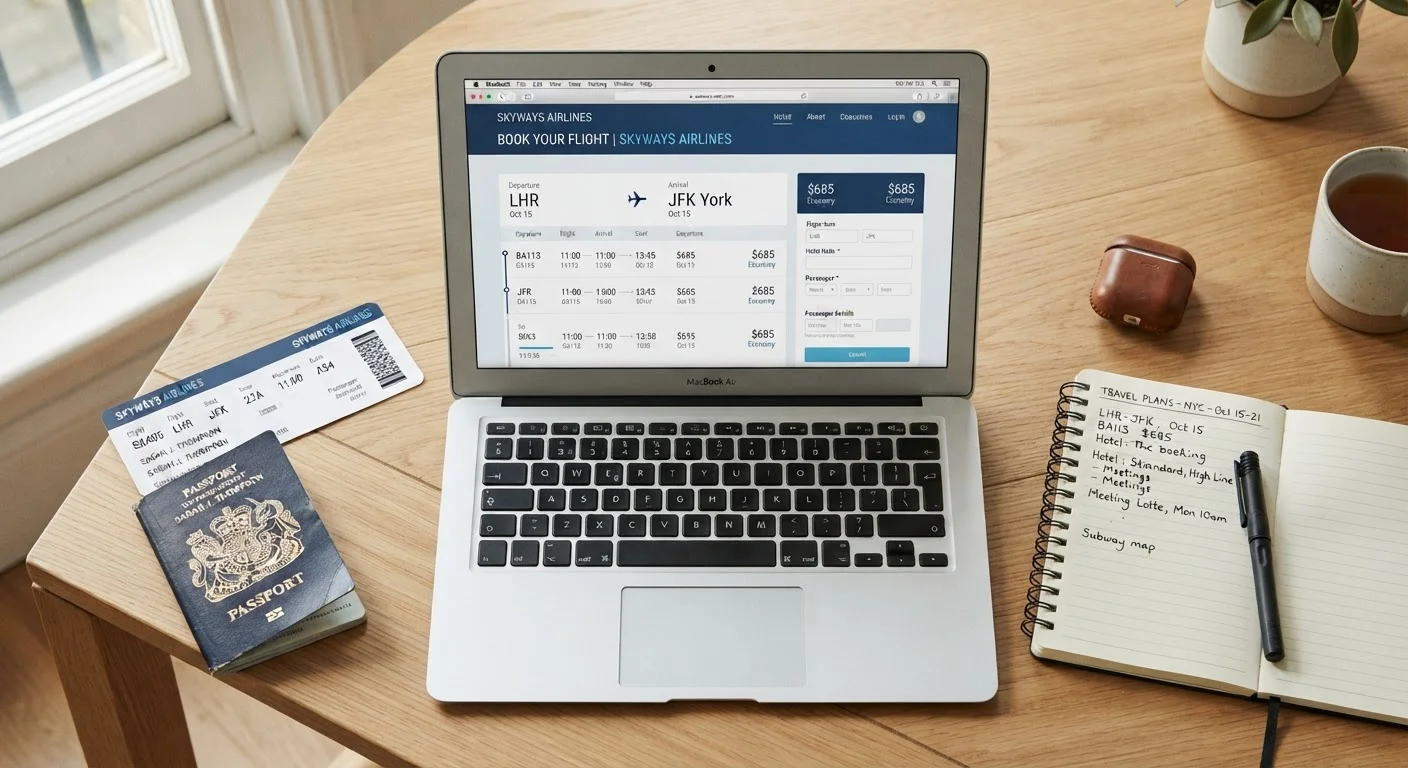
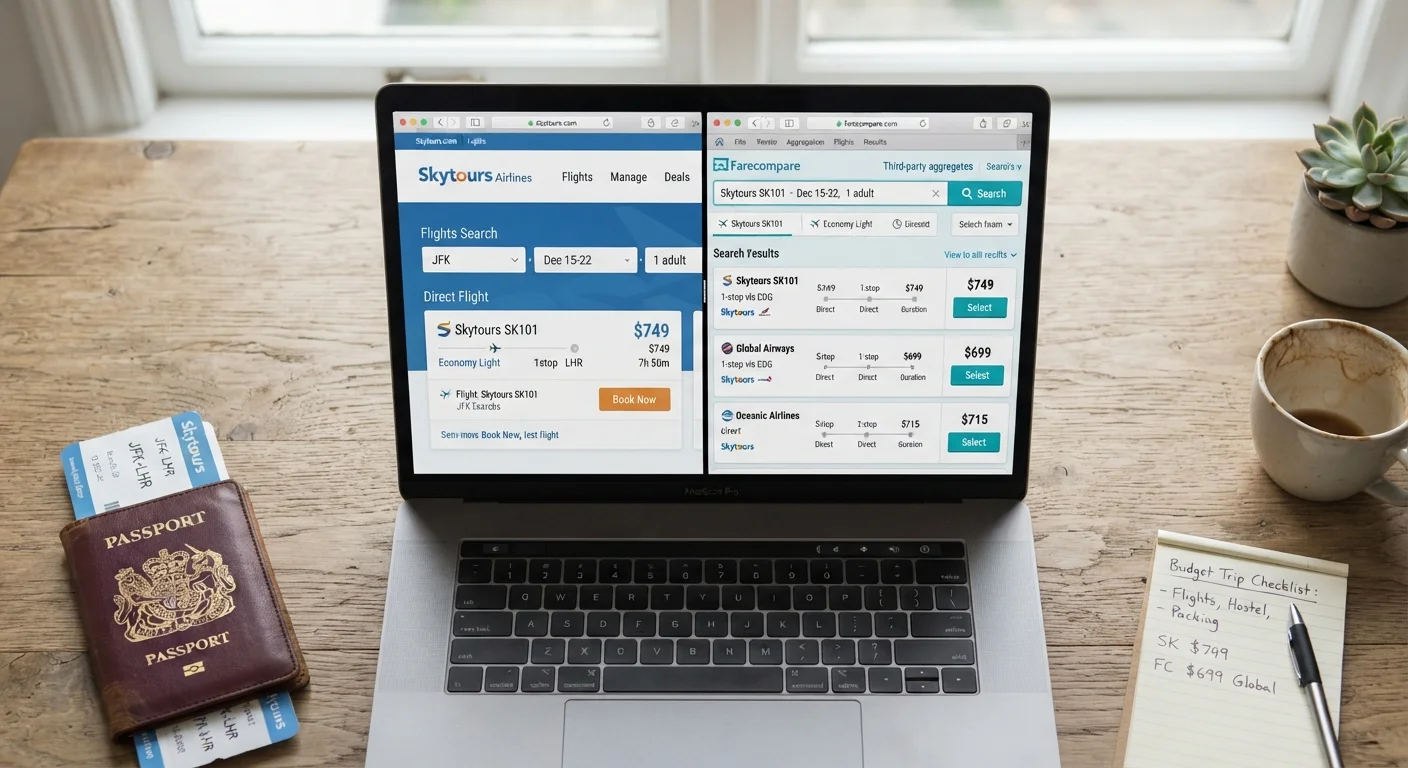
Flights, pre-booked accommodation, travel insurance premiums, and any tours or packages paid in advance are fixed costs settled before departure. They belong in a separate pre-trip spending column, not your daily total.
Destination Entry Costs
Visa fees, airport arrival taxes, and checked baggage charges are one-time costs associated with a trip but not a specific travel day. Bundling them into the daily figure distorts your on-the-ground picture - track them separately.
Hidden Variable Costs
This is where budgets leak quietly. ATM withdrawal fees, dynamic currency conversion charges, and city-specific tourist taxes are technically daily costs, but most travelers forget to include them. A city tourist tax in parts of Europe, for example, can add $3-$8 per person per night - not enormous in isolation, but material over a two-week stay. The Hidden Costs That Eat Your Budget Abroad covers these in detail.
Track Hidden Fees Before You Land
Before departure, check whether your destination charges a city or regional tourist tax and whether your bank levies foreign transaction or ATM withdrawal fees. Knowing these costs upfront lets you fold them into your daily estimate rather than discovering them as unwelcome surprises mid-trip. Many credit unions and travel-specific debit accounts waive ATM fees abroad - worth verifying with your bank in advance.
The same logic applies to structured travel formats. If you're on a cruise or guided tour, the headline price rarely captures everything - see what a cruise fare actually includes and the real costs beyond a brochure price for a fuller picture.
Building a Daily Budget That Holds in Practice
Once you know what belongs inside and outside your daily figure, you can build one that actually functions on the road. The key steps are straightforward:
- Research destination-specific costs - meal prices, transit fares, and activity costs vary dramatically between regions. Southeast Asia and parts of Eastern Europe typically run $30-$60 per day for mid-range travelers; Western Europe or Japan can exceed $120 per day easily.
- Separate your cost buckets - keep fixed pre-trip costs, one-time destination costs, and daily variable costs in distinct columns.
- Add a 10-15% buffer - this absorbs exchange rate fluctuations, price increases, and unplanned spending without requiring a full recalculation.
- Track spending daily, not weekly - small overages compound. A $10 daily overspend over 14 days is $140 - enough to cover two nights' accommodation in many budget destinations.
For a complete walkthrough of putting this into practice across an international trip, see Building a Daily Travel Budget That Actually Holds.
This article is for general informational purposes only and does not constitute personalised financial advice. Travel costs vary significantly based on destination, travel style, and individual circumstances. Always verify entry requirements, taxes, and current pricing with official sources before you travel.