

What 'Last-Minute' Actually Means in Weekend Travel
In weekend travel terms, last-minute typically means booking within three to five days of departure - sometimes as late as the morning you leave. It's a different beast from simply not planning far ahead: you're competing with other spontaneous travelers, accepting whatever inventory remains, and often making decisions without your usual research runway.
That context matters. A Thursday-night booking for a cabin in the Catskills is very different from a Friday-afternoon search for a hotel room in a popular beach town in July. The hidden US gems that see lighter tourist traffic are almost always more forgiving of late booking - a key reason savvy spontaneous travelers keep a mental shortlist of low-key destinations ready to go.
For a deeper look at how booking timing affects both price and availability, see our early vs. last-minute booking breakdown.
The Real Advantages of Going Spontaneous
There's a reason spontaneous travel has a devoted following. When it works, it really works - and the benefits go beyond just the thrill of impulse.
Complete flexibility on destination and timing
Without a fixed booking, you can pivot based on weather, mood, or a friend's invite. This kind of adaptability often leads to genuinely memorable, unscripted experiences.
Potential for lower rates on unsold lodging
Some hotels and vacation rental hosts reduce rates within 48-72 hours to avoid vacancies, particularly in non-peak periods or less touristy markets.
No long planning horizon means less decision fatigue
Shorter planning windows force faster choices and eliminate weeks of itinerary-tweaking, which suits travelers who find extended planning exhausting.
Easier to stay close to home and keep costs low
Last-minute trips naturally favor nearby destinations, which cuts transport costs significantly and keeps the overall trip budget lean.
Lighter psychological commitment
When you haven't spent months anticipating a trip, there's less pressure to make it perfect - which often makes the experience feel more relaxed and genuinely enjoyable.
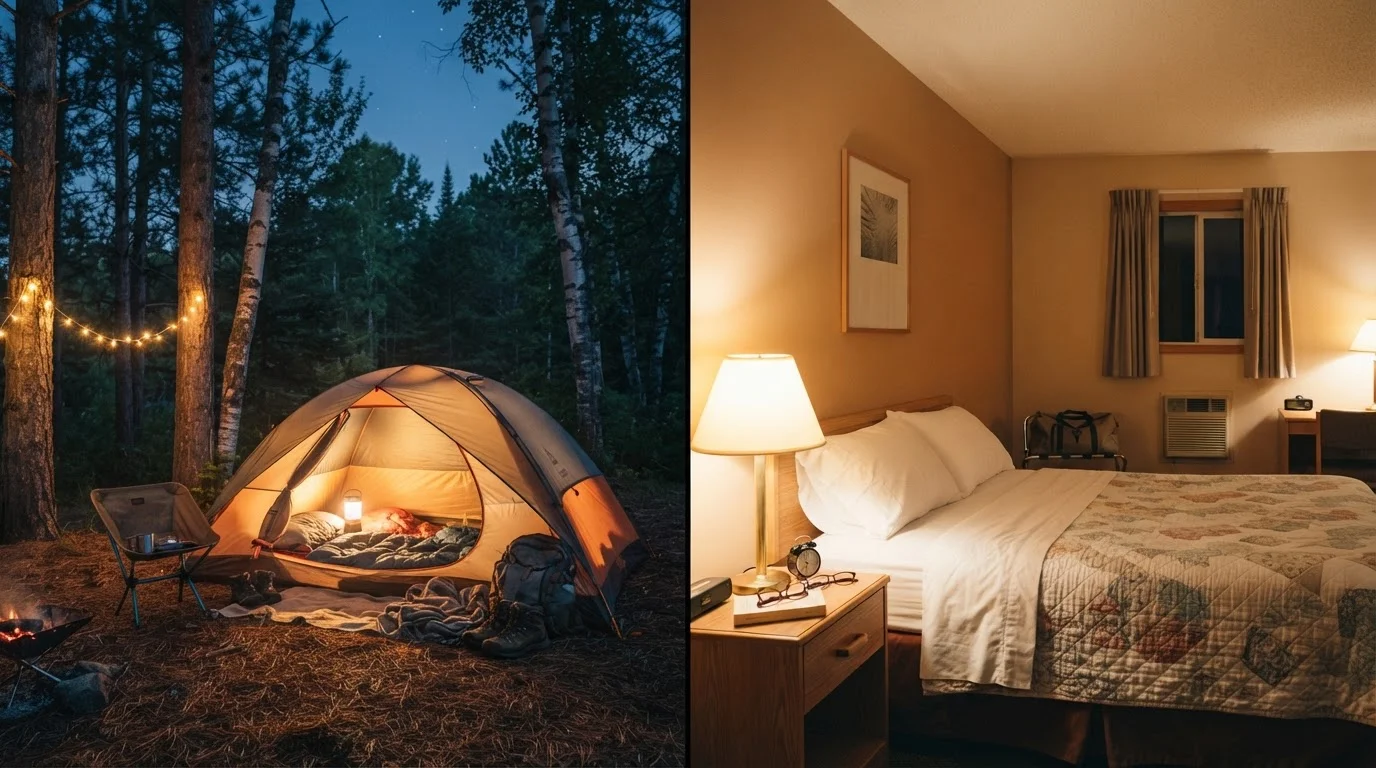
The freedom to chase good weather or a gut feeling is hard to overstate. And in some lodging markets, particularly mid-week arrivals or off-peak shoulder seasons, proprietors do drop rates to fill vacant rooms. Lodging on a budget is genuinely easier when you're flexible about where you sleep and when you go.
The Downsides You Should Plan Around
Last-minute travel isn't a hack - it's a trade-off. For every flexible solo traveler who scores a great deal, there's a group that arrived to find the one decent motel fully booked and the backup option an hour away.
Limited accommodation choices and availability
Popular destinations fill up fast on weekends, often leaving only premium-priced or poorly-reviewed options. Families needing multiple rooms or specific configurations face the most constraints.
Transport costs are typically higher
Last-minute flights are almost universally more expensive, and gas and parking costs don't shrink with short notice. Budget math rarely favors the spontaneous traveler on transport.
Less time to research and compare options
Rushed decisions mean you're more likely to overlook hidden fees, miss better-value alternatives, or book somewhere that doesn't fit your actual needs.
Higher stress if things don't go to plan
Without backup options pre-researched, a sold-out hotel or a washed-out campsite can derail the whole trip. Solo travelers absorb this better than groups or families.
Popular attractions may be fully booked
Timed-entry experiences, guided tours, and popular restaurants at well-known destinations frequently require advance reservations - sometimes weeks ahead - leaving spontaneous visitors locked out.
Families face the steepest challenges here. Coordinating multiple schedules, finding connecting rooms, and managing kids' expectations with limited options is genuinely stressful. If you're traveling with children, weekend trips with kids benefit enormously from even a week of lead time.
Solo Travelers Have the Most to Gain
Last-minute weekend travel rewards flexibility above everything else, and solo travelers have the most of it. One room, one schedule, zero compromise. If you're weighing whether solo travel suits you generally, our honest look at solo travel trade-offs covers both the freedom and the genuine risks.
How to Tilt the Odds in Your Favor
The travelers who consistently pull off great last-minute weekends aren't just lucky - they've built a repeatable approach. A few habits make a significant difference:
- Keep a destination shortlist. Identify three or four drivable spots you'd genuinely enjoy at any time of year. When the Friday impulse hits, you're choosing, not scrambling.
- Prioritize driving over flying. Road trips sidestep the biggest last-minute penalty: airfare. See how the two formats stack up in our road trip vs. fly-and-stay comparison.
- Set flexible check-in/check-out windows. Arriving Saturday morning instead of Friday night opens significantly more lodging options.
- Run a quick pre-trip checklist. Even a five-minute scan of essentials prevents the surprises that turn spontaneous fun into a stressful scramble. Our weekend getaway planning checklist covers the basics concisely.
3-5 days
Typical last-minute booking window for weekend trips
Travel industry research generally defines last-minute domestic leisure bookings as occurring within three to five days of the stay date.
~2 hrs
Average drive distance for spontaneous US weekend trips
Travel behavior surveys consistently find that most spontaneous domestic getaways involve destinations within roughly a two-hour drive of home.
Structure also matters once you're there. A thoughtful two-day itinerary - even a rough one - ensures you don't lose precious hours deciding what to do next. Our guide on making the most of a two-day trip is worth a quick skim the night before you leave.