
Why Weekend Trips Work Especially Well for Families
Long family vacations carry real logistical weight: multiple nights of lodging, extended meal planning, and the sustained energy required to keep kids engaged across a full week. Weekend trips sidestep most of that pressure. Two nights is enough to feel like a genuine escape without the complexity that makes longer trips feel like a second job.
The key is choosing a destination that fits the trip format rather than forcing an ambitious itinerary into 48 hours. Think state parks with easy hiking and a lake or river access, small coastal towns with a boardwalk, or a mid-size city with a children's museum and a walkable downtown. These destinations offer built-in variety without requiring extensive research or advance booking. For a grounded picture of what affordable weekend escapes actually cost across different US regions, see what budget weekend travel really looks like in practice.
Families with mixed-age children will want to read strategies for traveling with kids of different ages before settling on a destination type - a toddler and a tween have genuinely different needs, and the right location makes both manageable.
What You'll Need Before You Start Planning
Getting these basics sorted before you open a single booking site saves significant time and prevents the budget from drifting.
What you will need
State and national park websites
Identify free or low-fee outdoor destinations within driving range that offer trails, water access, and picnic areas.
Vacation rental platforms
Compare properties with kitchens to cut food costs; filter by pet-friendly or pool access based on family needs.
A shared notes app or spreadsheet
Track your running budget across lodging, food, gas, and activities so nothing gets lost mid-weekend.
Offline maps app
Download destination maps in advance so navigation works without data in rural or park areas.
How to Plan Your Family Weekend Trip Step by Step
Follow these steps in order. Each one builds on the last, and skipping ahead - especially to accommodation before locking in a destination - is where most families lose time and money.
Set a firm total budget before choosing a destination
Write down one number: what you can realistically spend across lodging, food, transportation, and activities for the full weekend. Divide it roughly as 40% lodging, 30% food, 20% activities, 10% buffer. This ratio shifts based on how you travel, but having a starting split prevents any single category from quietly consuming the whole budget.
Choose a destination within a two-to-three hour drive
Distance is the single biggest cost lever for family weekend travel. Staying within driving range eliminates airfare entirely and keeps the trip recoverable if something goes sideways. Look for a destination that naturally offers at least one free outdoor draw - a state park, a river, a beach, a trail network - alongside one or two optional paid activities for variety.
Book lodging with a kitchen or kitchenette
A kitchen cuts your food budget significantly on a two-night trip. Vacation rentals, extended-stay properties, and some independent motels offer kitchenette access. Compare the nightly rate difference honestly against what you'd spend eating every meal out with kids - the math usually favors the kitchen even when the nightly rate is slightly higher.
Build a loose itinerary with one anchor activity per day
Identify one paid or ticketed activity for Saturday and one for Sunday. Everything else should be walkable, free, or low-cost: a nature trail, a splash pad, a local farmers market, a picnic in a park. This structure gives kids something to look forward to without creating an overscheduled day that leads to exhaustion and frustration for everyone. For detailed guidance on balancing pacing and downtime, building a family itinerary that works for kids and adults covers this well.
Pack strategically to avoid on-the-road purchases
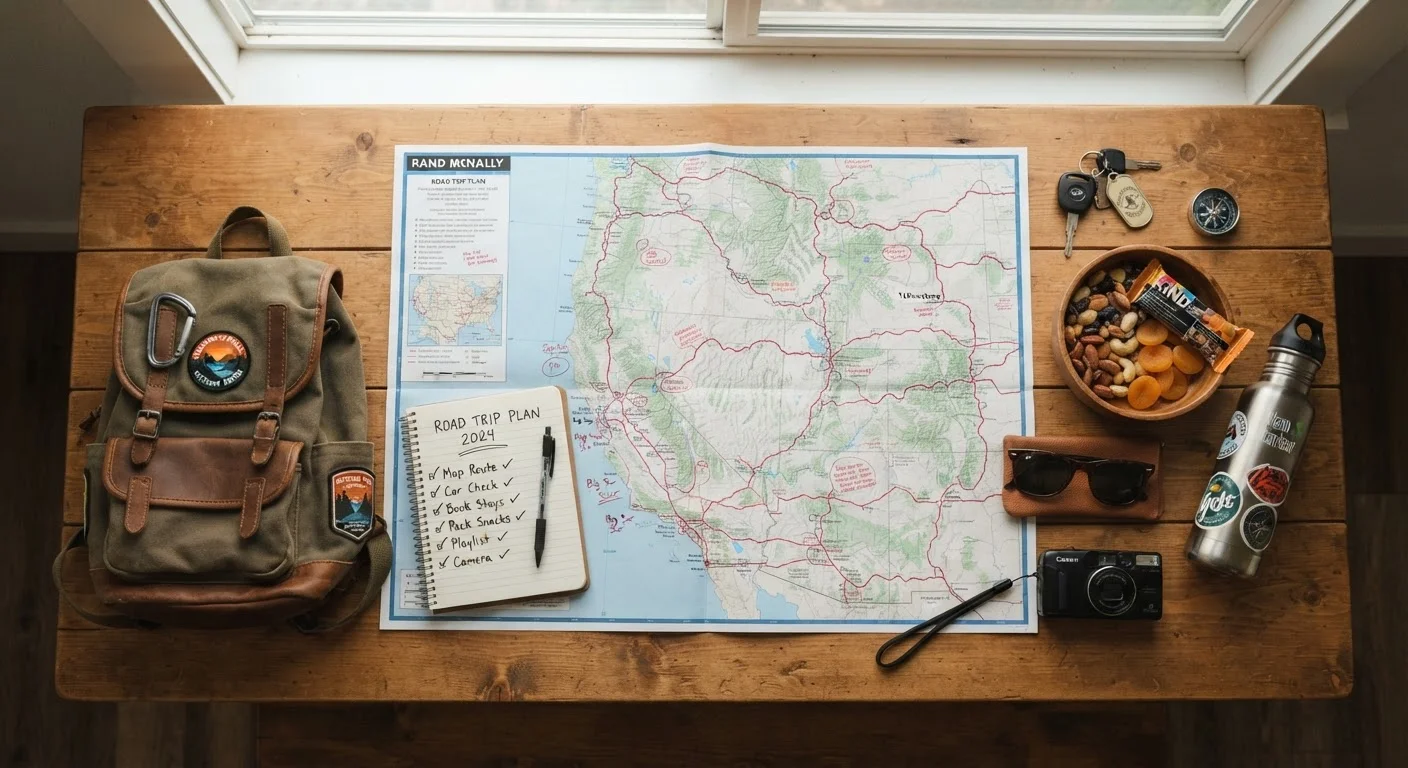
Snacks, sunscreen, basic first-aid supplies, and any medications should leave the house with you. Emergency convenience store runs for forgotten items routinely cost two to three times the regular retail price. A simple packing checklist the night before - not the morning of departure - is enough to prevent most of these gaps.
Do one grocery run on arrival
Before heading to your lodging or immediately after check-in, stop at a local grocery or discount store. Stock breakfast for both mornings, lunch supplies, and snacks for the day. Budget this explicitly - it should be a line item, not an afterthought - and it will consistently be one of the highest-return decisions you make on a family trip.
Timing Your Weekend Away Matters
Avoiding school holidays and peak summer weekends can noticeably reduce both lodging rates and crowd levels at popular outdoor destinations. Even shifting a trip by two weekends - staying just outside a holiday window - often drops nightly rates meaningfully. For a fuller breakdown of the timing trade-offs, see our piece on planning around school holidays.
Keeping Costs Honest Once You're There
The plan looks great on paper. Here's what tends to break budgets in real time and how to stay on track.
Food is the most common budget leak on family trips. Restaurant meals with kids - factoring in drinks, sides, and the occasional plate nobody touches - add up faster than most parents expect. A single grocery store run on arrival, stocking breakfast foods, sandwich supplies, and road-trip snacks, typically covers the majority of your food needs and leaves restaurant spending for one or two genuinely enjoyable meals rather than obligation eating.
Activity costs follow a similar pattern. Paid attractions have a way of multiplying: one entry fee leads to another, plus a gift shop, plus an overpriced lunch nearby. Anchoring the itinerary around one paid experience per day - a children's museum, a boat rental, a guided tour - and filling the rest with free options keeps the numbers manageable without making the trip feel sparse.
For a more complete picture of every cost category families need to account for, building a family travel budget that holds up mid-trip walks through the real line items most people forget. And if you're questioning whether certain expenses are truly necessary, common family travel myths that lead to overspending is worth a read before you finalize anything.
Watch for Hidden Per-Person Fees
Many attractions list an adult admission price prominently and bury the children's rate - which may or may not be discounted - in fine print. Always check the full family admission cost before arriving, especially at zoos, aquariums, and theme parks where per-head pricing applies to every member of the group. A family of four can clear a significant chunk of the daily activity budget at a single attraction.