
Why the Two-Day Trip Is a Power Move
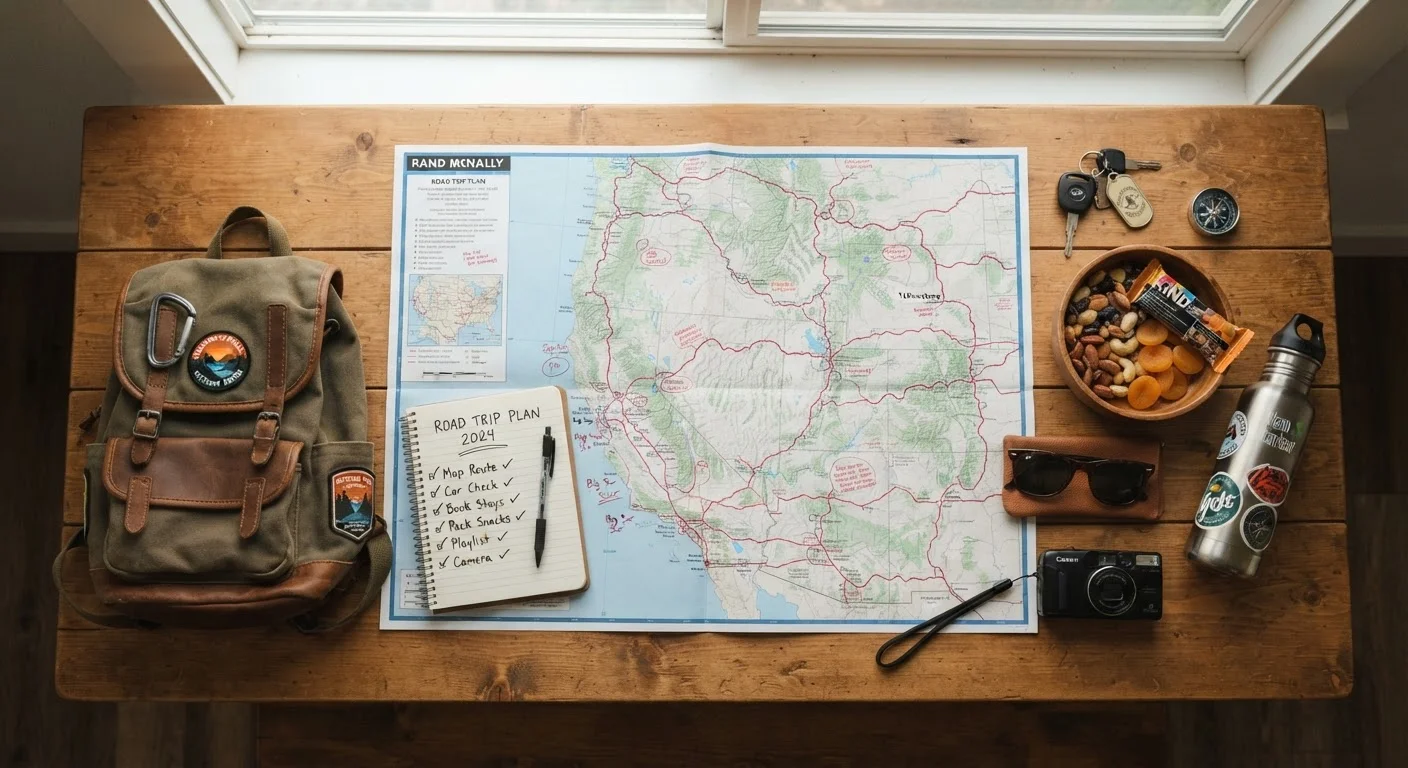
Two days sounds modest, but structured well, a weekend escape can deliver a genuine change of scenery, a mental reset, and a fistful of new memories - all without blowing your monthly budget. The key is treating a 48-hour window not as a limitation, but as a design constraint that forces smarter choices.
Distance is the first lever to pull. Destinations within a two-to-three hour drive mean you're at your first stop by mid-morning Friday evening or Saturday, not burning half a day in transit. Check out our US Weekend Getaway Quick Reference for drive-time and cost-range estimates by region - it's a fast way to reality-check any destination idea.
The two-day format also filters out bloated, overpriced itineraries naturally. You can't do everything, so you stop trying, and that restraint often produces a more satisfying trip.
Build Around One Anchor, Not Ten Attractions
The most common weekend-trip mistake is treating two days like a five-day itinerary in fast-forward. Rushing from attraction to attraction burns energy, racks up entry fees, and leaves you home Sunday night feeling more frazzled than refreshed.
Instead, choose one anchor experience per day - a hiking trail, a neighborhood food scene, a state park, a museum district - and let everything else orbit it loosely. If you happen to stumble into a farmers market or a free outdoor concert along the way, great. But you're not dependent on it.
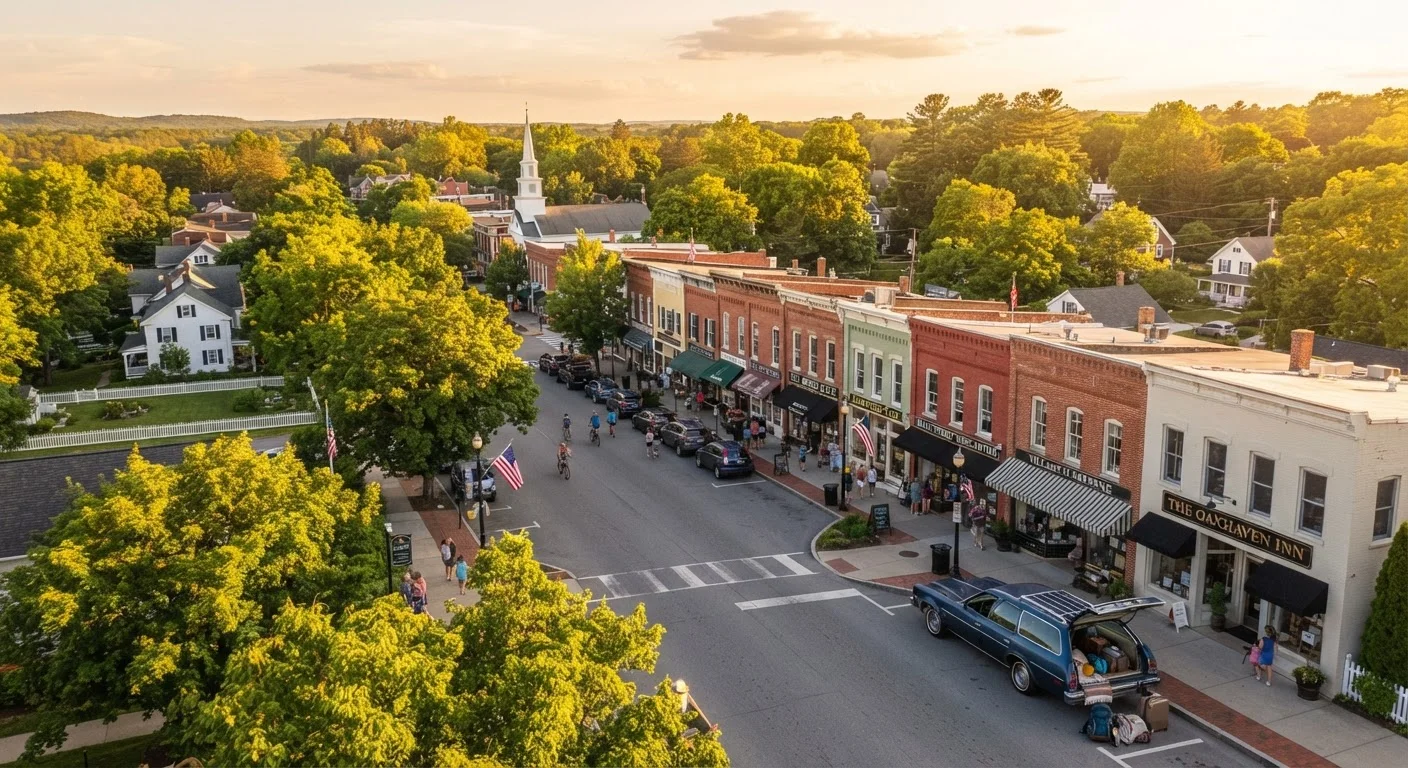
For destinations that naturally reward slow exploration, smaller US cities with big character tend to outperform famous urban hotspots on a short trip. Lower crowds, walkable cores, and affordable dining mean more experience per dollar.
Spend Smart Without Skimping on Fun
Budget-friendly weekend travel isn't about deprivation - it's about redirecting spend toward what actually creates memories. Entry fees for overhyped attractions rarely deliver proportional joy. Free and low-cost alternatives almost always exist.
State parks, public waterfronts, historic walking districts, and local public markets are consistently among the most satisfying weekend activities - and most cost nothing or next to nothing. Our guide to free and low-cost weekend activities breaks this down by destination type so you can plan before you arrive.
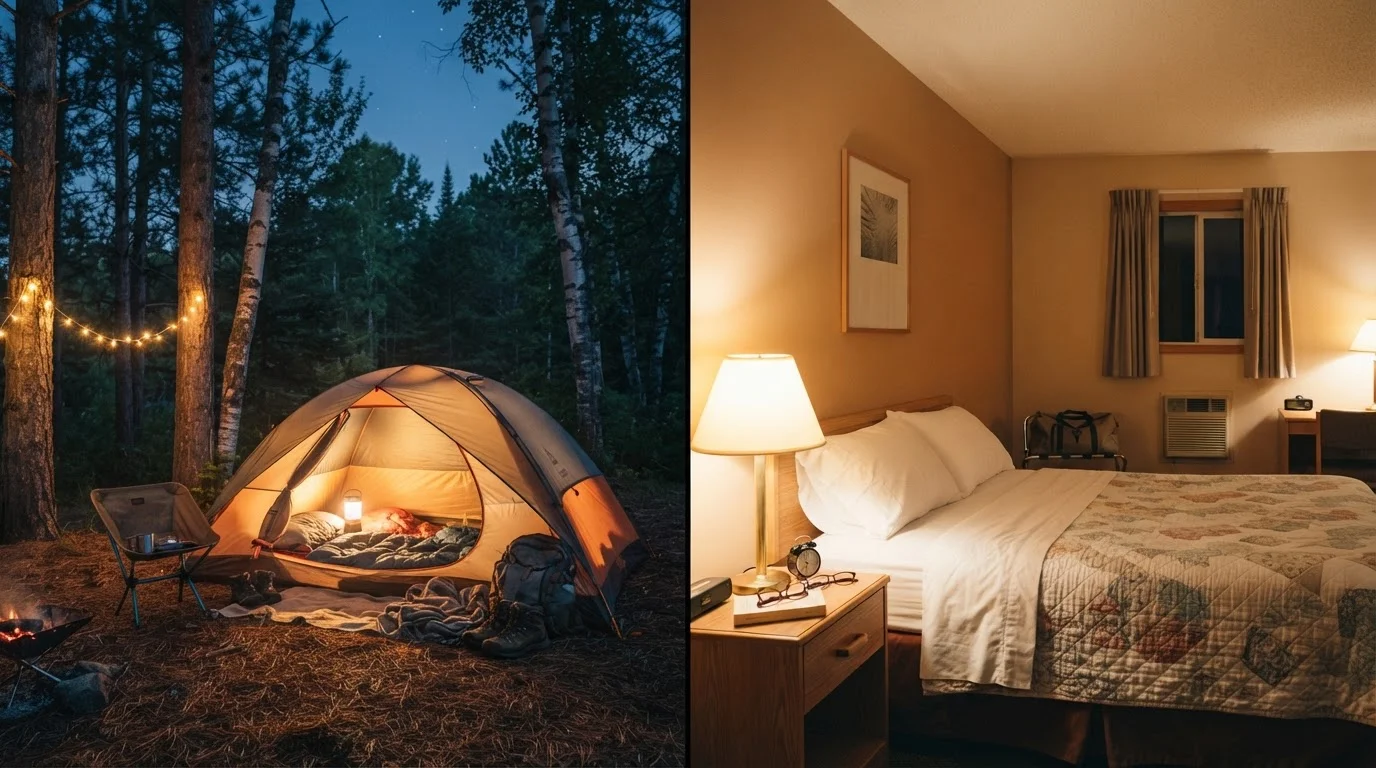
On the lodging side, booking midweek for a weekend stay, choosing a centrally located property over a resort on the outskirts, and traveling with even one other person to split costs all make a measurable difference without affecting the quality of the experience.
Leave Room for the Unplanned
A tight schedule is the enemy of a good weekend trip. Build in at least one genuinely unstructured block per day - even 90 minutes of wandering with no agenda. That's usually when the trip surprises you: the side street with the perfect lunch spot, the overlook you almost missed, the local you end up talking to for an hour.
If you're newer to building itineraries that balance structure with spontaneity, this guide to daily itinerary planning offers a practical framework you can adapt for any two-day format.
And if you're genuinely undecided on destination, it may be worth considering what hidden US gems are within reach - underrated spots often mean lower costs and more authentic experiences than well-worn tourist circuits.