
What Makes This Corridor So Underrated
Ask most Americans where to find a Gulf Coast beach vacation and you'll hear Destin, Panama City, or Galveston. The 500-mile stretch connecting Pensacola to Port Arthur - threading through Alabama, Mississippi, and Louisiana - rarely makes that list, which is precisely what makes it interesting. This corridor doesn't sell itself loudly, and visitor numbers reflect that. What it lacks in marketing muscle, it makes up for in character.
The region escapes notice partly because it sits between two well-branded destinations. Travelers heading from the Florida Panhandle to Houston often treat it as a drive-through zone. That's a real missed opportunity. The full Gulf Coast drive rewards those who slow down and actually stop.
500+
Miles of Gulf Coast between Pensacola and Port Arthur
This stretch spans four states and includes barrier islands, bayous, and historic fishing ports largely absent from mainstream travel itineraries.
11
Distinct barrier islands in Gulf Islands National Seashore
According to the National Park Service, the seashore spans Mississippi and Florida and protects some of the most ecologically significant coastline in the region.
4.5M acres
Size of the Atchafalaya Basin in Louisiana
The Atchafalaya is the largest river swamp in the United States, accessible with a short detour from the Gulf Coast corridor and largely free to explore.
The Towns Worth Your Time
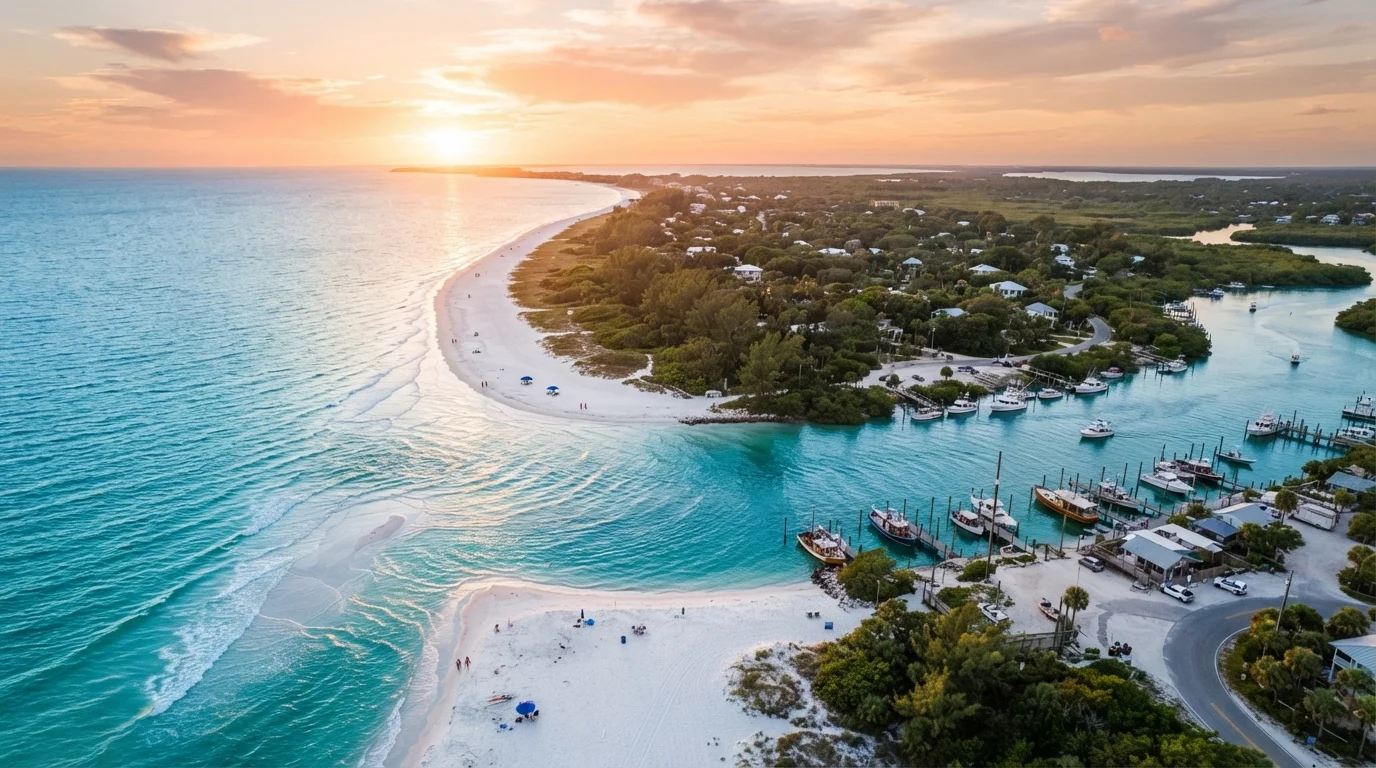
Gulf Shores and Orange Beach, Alabama deliver white quartz sand and clear water that rivals anything in Florida - often at meaningfully lower nightly rates, particularly outside June and July. The area stays manageable even in summer compared to Destin's infamous traffic.
Biloxi and Gulfport, Mississippi carry a layered history: a booming seafood industry, significant Civil War and Reconstruction heritage, and a musical tradition tied to the blues. The Mary C. O'Keefe Cultural Center in Ocean Springs and the Ohr-O'Keefe Museum of Art both punch well above their regional recognition.
Bay St. Louis deserves special mention. This small Mississippi town rebuilt its arts community after Hurricane Katrina and now supports a genuine gallery district, weekly farmers markets, and some of the coast's most creative local restaurants - without a resort price tag attached.
Crossing into Louisiana, Lake Charles anchors the western end with an authentic Cajun food scene, the Creole Nature Trail, and access to the Sabine National Wildlife Refuge. It connects naturally to Port Arthur, Texas, where Cajun and Vietnamese culinary traditions have woven together into something distinctive you won't find packaged elsewhere.
What to Eat, See, and Do
Food is a legitimate reason to plan this trip. Seafood gumbo, boudin, crawfish étouffée, and fried Gulf shrimp po'boys appear on menus that haven't been curated for tourists. Roadside seafood shacks along US-90 through Mississippi and Louisiana often source catch directly from local boats.
Wildlife access is genuinely exceptional. The Bon Secour National Wildlife Refuge in Alabama protects critical sea turtle nesting habitat. Mississippi's Gulf Islands National Seashore puts undeveloped barrier islands within ferry reach. The Atchafalaya Basin - accessible from central Louisiana with a short inland detour - is the largest river swamp in the US and supports alligators, egrets, and roseate spoonbills in numbers that feel almost cinematic.
Fishing charters operate out of most coastal towns at rates that undercut the more commercialized Florida markets. Kayak rentals, paddleboard tours, and birding excursions are widely available and rarely overbooked. Compare these coastal options to inland alternatives if you're weighing where your travel budget stretches furthest.
Time Your Visit for Fall's Sweet Spot
October and early November consistently offer the region's best combination of warm Gulf water (still above 70°F in many areas), thinned-out crowds, and lower accommodation availability pressure. Many local seafood restaurants that close or reduce hours in off-season haven't yet done so, giving you full access to the food scene. Always check hurricane forecasts via NOAA before finalizing travel plans for any Gulf Coast trip.
Planning a Trip Along This Route
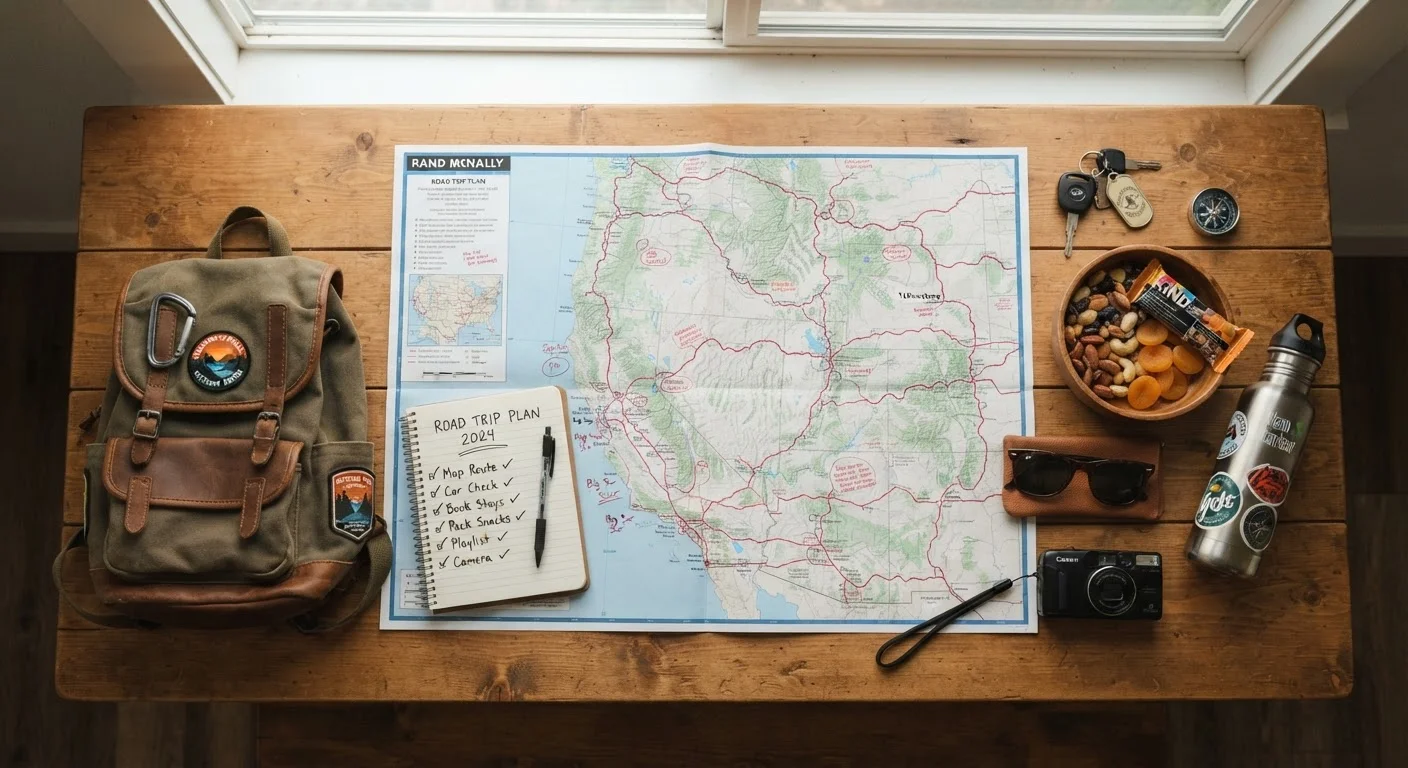
A practical approach: treat US-90 as your spine and allow at least one full day per major town. Three days gives you Alabama's beaches and a taste of Mississippi's coast. Five to seven days opens up Louisiana and reaches Port Arthur. The route doesn't require a rigid itinerary - that's part of the appeal.
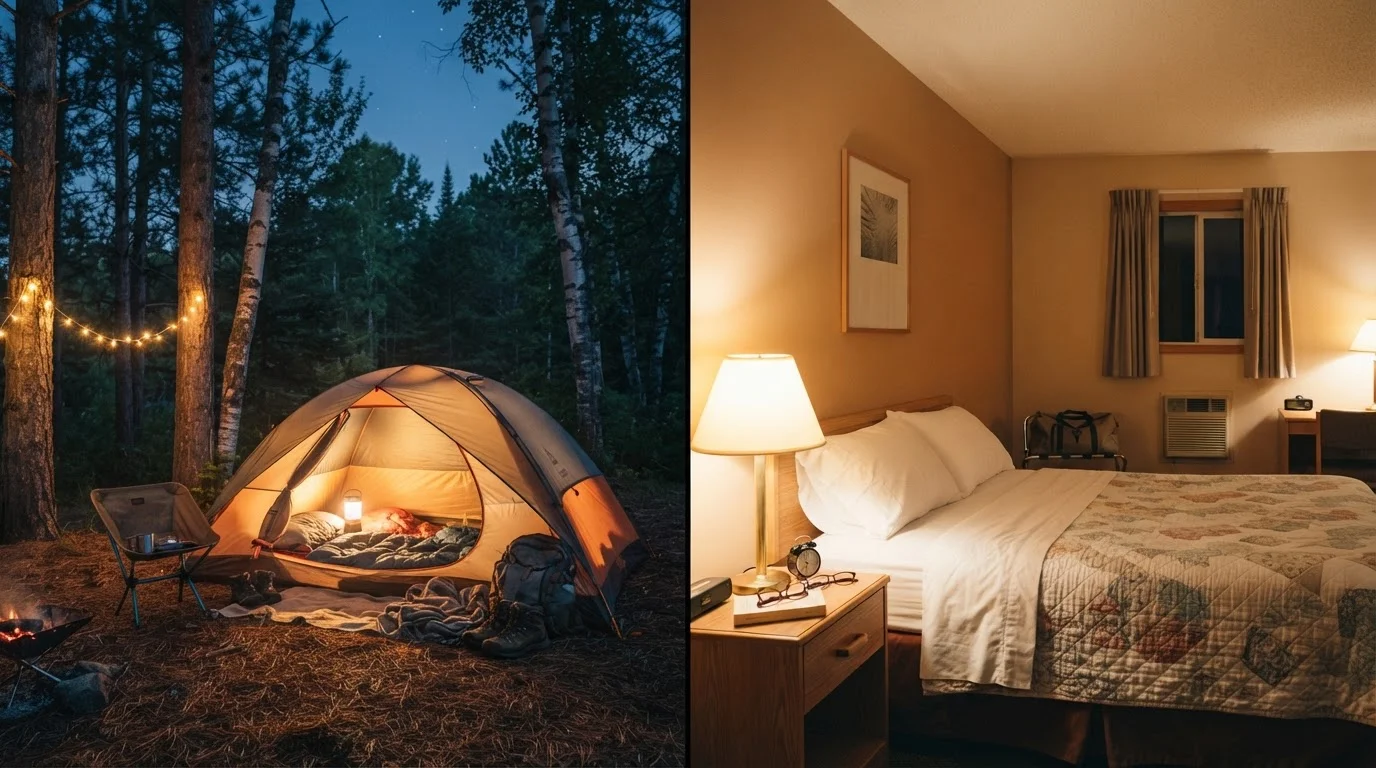
Accommodation options range from independent motels and vacation rentals to national park campgrounds on the barrier islands. Camping at Gulf Islands National Seashore requires advance reservations during peak periods; check the National Park Service directly for current availability and conditions. Always verify entry requirements, seasonal closures, and weather advisories with official sources before traveling, as conditions along a hurricane-prone coast can shift.
Fall travel - particularly October and early November - offers warm Gulf water, thinner crowds, and rates that drop noticeably from summer highs. The region's shoulder seasons are genuinely underused, which means you'll encounter the locals more than the other visitors.