
Why structured research matters for solo travelers
Researching a destination you've never visited alone is a different task from planning a group trip. There's no built-in redundancy - no travel companion who remembered to check the transit schedule or noticed the visa requirement you missed. Every knowledge gap lands on you. That's not a reason to avoid solo travel; it's a reason to research more systematically.
The good news is that a clear sequence makes this manageable. Most planning mistakes don't come from lack of effort - they come from researching things in the wrong order, or relying on sources that aren't reliable for your specific situation. This guide gives you a repeatable process that covers what actually matters: entry requirements, neighbourhood context, transport logistics, and local norms.
If you're building this into a broader planning framework, see our complete solo trip planning roadmap for the end-to-end picture. If you're researching a lesser-known US destination, the Hidden US Gems hub offers destination-specific context worth consulting alongside this process.
What you will need
What you'll need before you start
Effective destination research depends on going to the right sources in the right sequence. The tools below cover the core categories - official sources for hard facts, mapping tools for spatial orientation, and community sources for ground-level current conditions.
Official Government Travel Advisory Portal
Check current safety advisories, entry requirements, and health notices for your destination.
Destination Country's Official Immigration Website
Verify visa categories, processing times, and required documentation directly from the source.
Google Maps (Street View & Transit layers)
Assess neighbourhood layout, walkability, and public transit coverage before arrival.
Reddit (destination-specific subreddits)
Find candid, current traveler perspectives on safety, transport, and local conditions.
Rome2rio or equivalent multi-modal transport planner
Map out realistic transport options and approximate costs between key points.
Always Verify Entry Requirements Officially
Visa rules, vaccination requirements, and border conditions change without notice. Never rely solely on travel blogs or peer advice for this information. Check your government's official travel advisory portal and the destination country's official immigration site before making any bookings. See our Visa & Entry Guides hub for destination-specific overviews, and always confirm details directly with official sources.
Step-by-step research process
Follow these steps in order. The sequence matters: entry requirements come first because they can change everything else. Transport and neighbourhood research build on a confirmed destination. Cultural research comes last because it requires the most nuanced, context-specific sources.
Check official entry and safety requirements
Before researching anything else, confirm what it actually takes to enter your destination legally and safely. Visit your government's official travel advisory portal - for US travelers, that's travel.state.gov - and the destination country's official immigration site. Note visa type, processing time, passport validity requirements, and any current health or security advisories. Do this first because entry restrictions can eliminate a destination or alter your timeline entirely.
Map the neighbourhood landscape
Identify where you're likely to stay and what surrounds it. Use Google Maps Street View to walk the streets virtually - assess pedestrian infrastructure, proximity to transit, and visible commercial activity. Cross-reference with at least two independent sources: a recent forum thread (subreddits like r/solotravel or destination-specific communities are useful) and a traveler-written account from the past 12 months. Look specifically for solo traveler experiences, not just general tourist impressions.
Understand your transport options end-to-end
Map every transit leg: airport to accommodation, day-to-day local movement, and any intercity travel. Use a multi-modal planner to compare cost and time across options. Note which transit systems require advance booking, which accept cash only, and what the realistic hours of operation are. For domestic US destinations - particularly remote ones - check road conditions and cell coverage. Our pre-trip checklist for remote US destinations covers this in detail.
Research local norms and practical customs
Local expectations around dress, behaviour, tipping, and photography affect both your experience and your safety. Read destination-specific guidance on cultural norms - not as a judgment of local culture, but as a practical tool for respectful, friction-free travel. Note any legal specifics relevant to solo travelers: some destinations have restrictions on photography, alcohol consumption in public, or dress codes in certain areas. These aren't obscure edge cases; they're things that catch underprepared visitors off guard.
Compile a single-source reference document
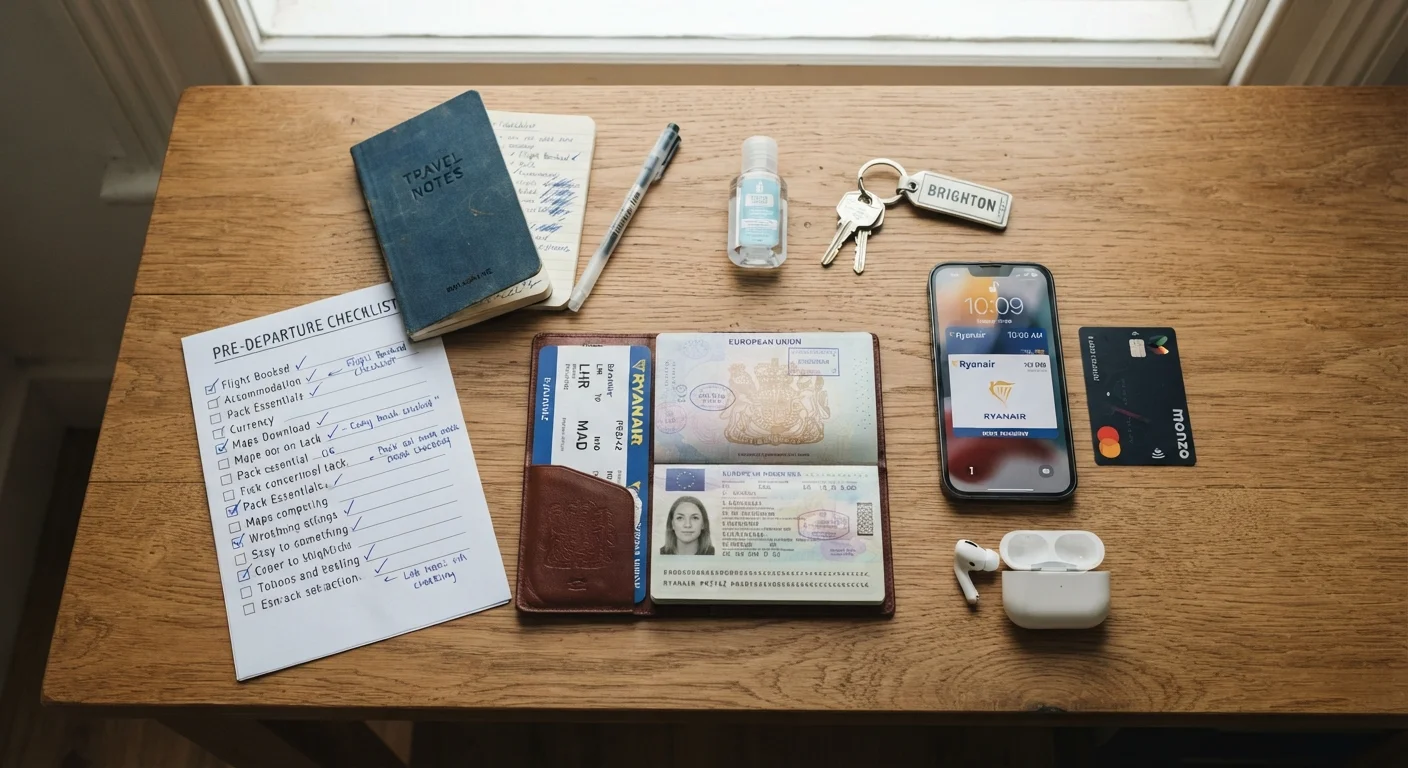
Consolidate everything into one document: entry requirements with source URLs and dates, neighbourhood notes, transport logistics, emergency contacts, and cultural flags. This becomes your pre-departure checklist and on-trip reference. Keep a digital copy offline and a brief printed summary in your bag. This step turns scattered research into something you can actually act on - and hand off to someone at home as a basic safety record.
Tap Into Local Knowledge Early
Regional subreddits, destination-specific Facebook groups, and official visitor center contacts can surface ground-level detail that no guidebook captures - current transport disruptions, neighbourhood shifts, seasonal closures. Our guide on sourcing local knowledge walks through how to use these channels effectively.
Turning research into a usable itinerary
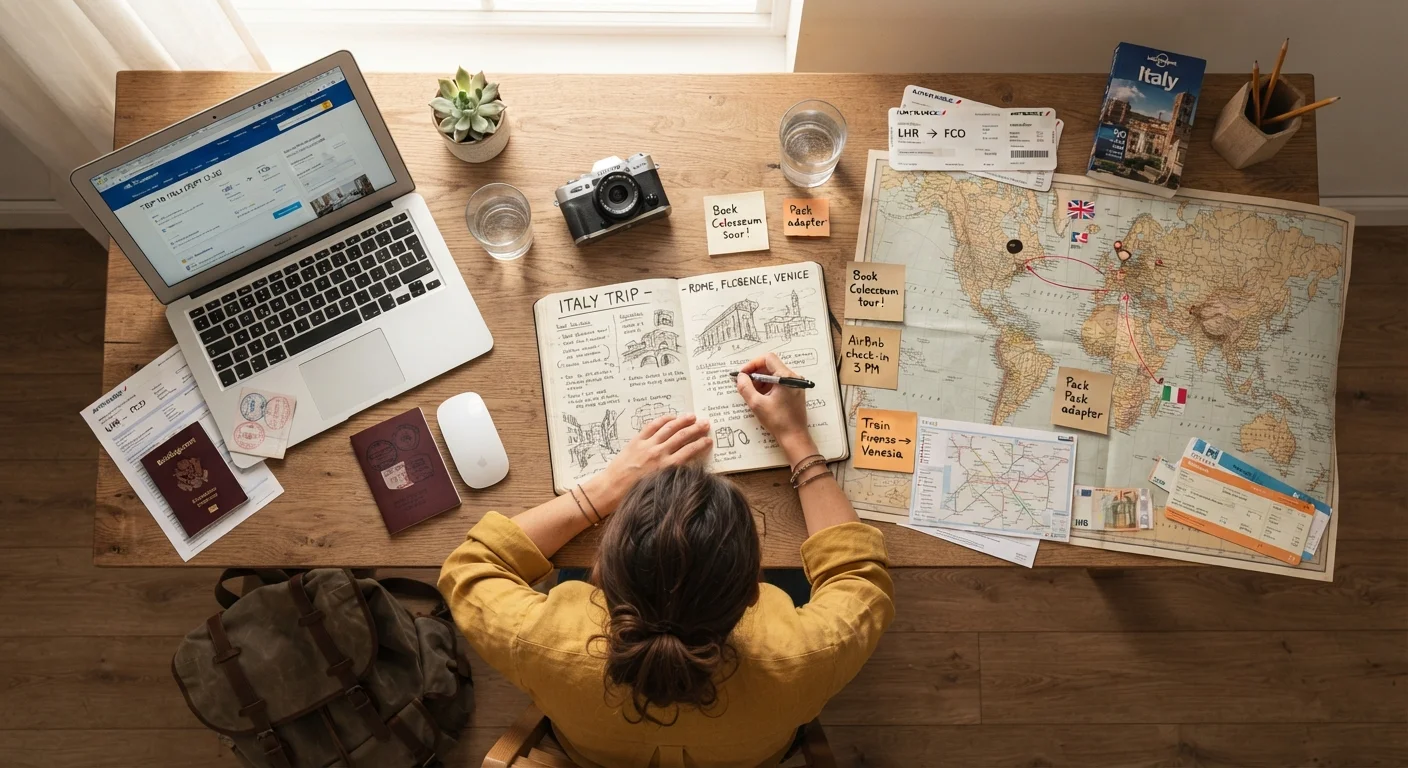
Research is only useful if it shapes how you actually move through a destination. Once your reference document is complete, use it as the foundation for your daily structure. You don't need a minute-by-minute schedule - you need enough clarity on transport, neighbourhoods, and logistics that unexpected detours feel manageable rather than stressful.
Our guide on building a daily itinerary with breathing room walks through how to translate this research into a realistic day-by-day plan that stays flexible. The goal isn't to over-plan - it's to arrive informed enough that you can improvise confidently.