
What a Visa Actually Authorizes
Receiving a visa - whether stamped in your passport or issued as an electronic authorization - confirms that a consulate reviewed your application and found no disqualifying factors at that moment. It does not guarantee you will be admitted when you arrive. As noted in our overview of visa types and how they work, the distinction matters practically: border officers conduct their own independent check.
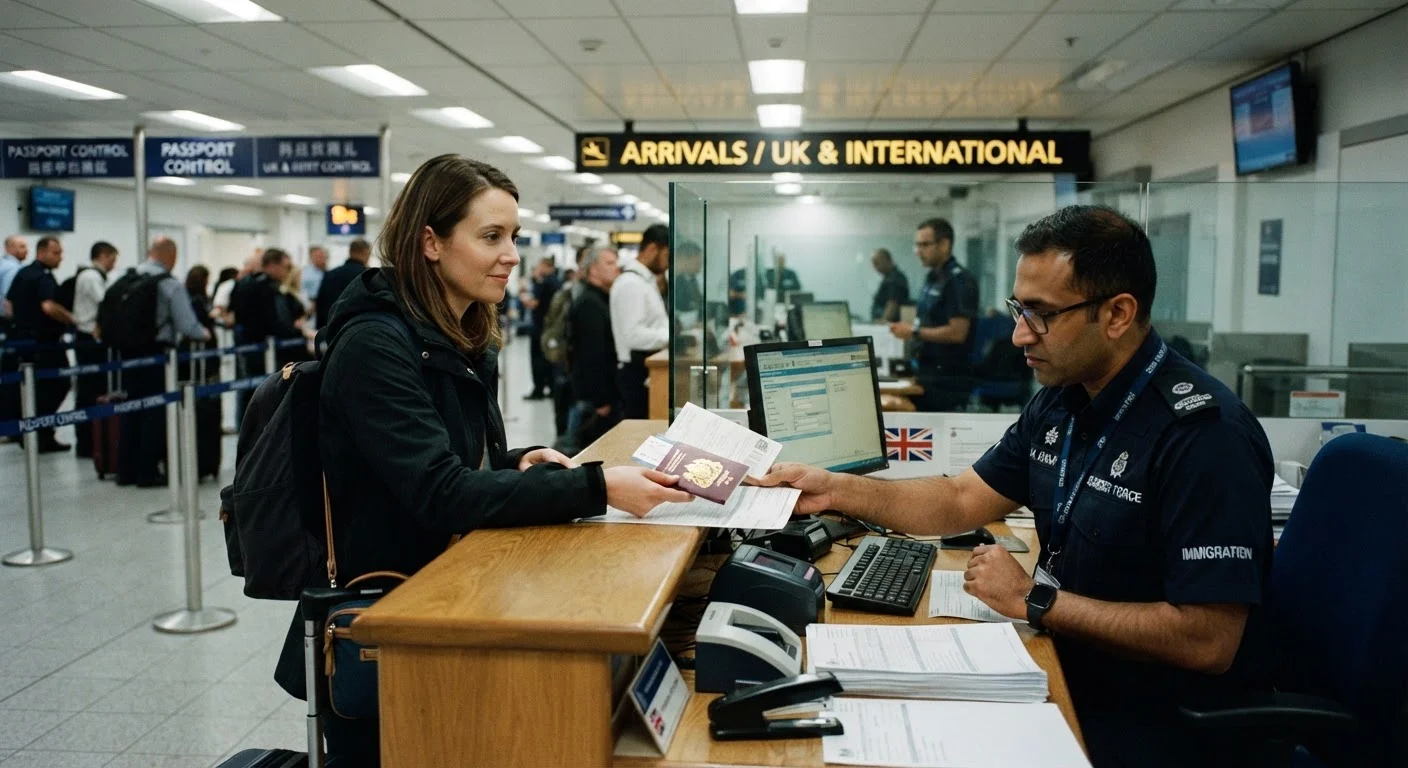
Immigration authority operates at the port of entry, not at the consulate. Officers can and do ask travelers to demonstrate that their actual trip aligns with the visa's stated purpose, that they have sufficient resources, and that they intend to leave within the permitted period.
Visa Approval Does Not Guarantee Entry
A visa is permission to seek entry, not a guarantee of admission. Border officers at the port of entry conduct a separate determination and retain the authority to refuse admission if documentation or stated purpose does not satisfy their requirements. Always carry supporting documents even when your visa has already been approved.
Documents Officers Commonly Request
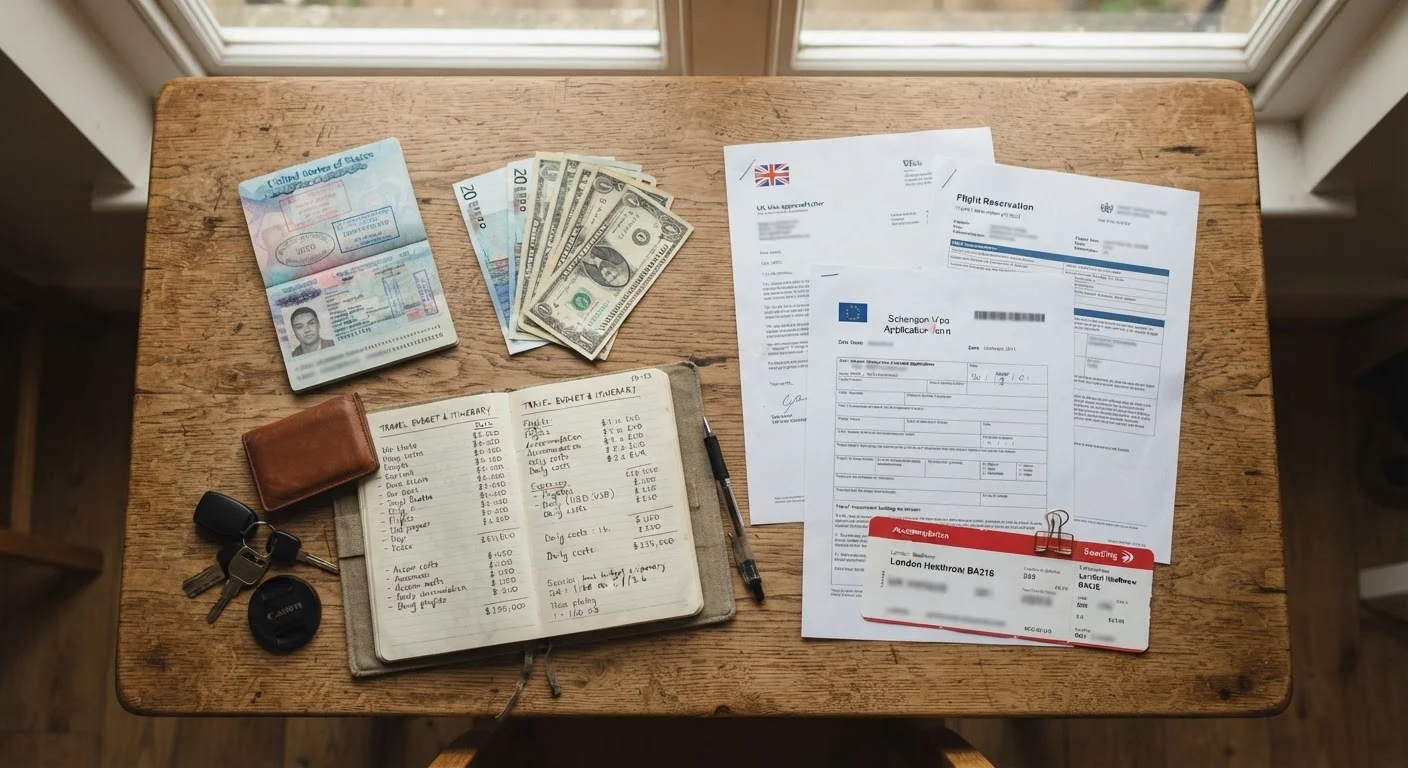
Beyond your passport and visa, be prepared to present the following. Requirements vary by country and officer discretion, so carry all of these even if not every destination mandates each one.
| Who can deny entry | Border officers at any port of entry, regardless of visa validity |
| Most commonly requested proof | Accommodation confirmation, return or onward ticket, bank statements |
| Schengen fund guideline | Varies by member state; commonly €50-€100 per day as a general benchmark (Check official embassy sources for current figures) |
| Onward travel formats accepted | Confirmed airline ticket, bus/ferry reservation, or cruise itinerary |
| Biometric collection countries | Includes USA, UK, EU Schengen zone (EES rollout), Australia, and others (Verify current requirements with each country's immigration authority) |
| Passport validity rule of thumb | Many countries require 6 months validity beyond intended stay (Confirm with destination embassy before travel) |
- Proof of accommodation: Hotel confirmations, a short-term rental booking, or a letter from a host. Loose verbal plans are generally not accepted.
- Proof of onward or return travel: A confirmed outbound ticket showing you will leave before your permitted stay expires. One-way arrivals receive heightened scrutiny in many countries.
- Evidence of sufficient funds: Recent bank statements (typically the last three months), a credit card with an available balance, or a combination. Some countries publish per-day minimums; verify these with official embassy sources before departure.
- Travel insurance documentation: Required for Schengen entry and increasingly expected elsewhere, especially post-pandemic. Coverage must typically meet minimum medical and repatriation thresholds.
- Invitation or sponsorship letter: If staying with a host or attending a conference, a formal letter stating the relationship and financial responsibility may be expected. See the full breakdown in our guide on supporting visa documents.
Passport Validity and Biometric Requirements
Many travelers overlook two technical requirements that can stop entry entirely.
Passport validity: Numerous countries require your passport to remain valid for at least six months beyond your intended departure date. A passport expiring in two months may be considered invalid for a three-week trip. Check the specific rule for each destination - the six-month standard is common but not universal.
Blank visa pages: Officers need space to stamp or affix a visa. If your passport has fewer than two or four consecutive blank pages (requirements differ), entry can be refused. Renew proactively if pages are running low.
Biometrics: The United States, United Kingdom, Australia, and the expanding EU Entry/Exit System (EES) collect fingerprints and photographs at the border. Refusing to provide biometrics is grounds for denial of entry. Travelers should expect this process to add time at immigration queues.
Proof of Onward Travel
A confirmed ticket or booking demonstrating that a traveler intends to leave the country before or by the date their permitted stay expires. This can be a flight reservation, bus ticket, or ferry booking.
Sufficient Funds
The financial resources an immigration officer determines necessary for a traveler to support themselves during their stay without working illegally or becoming a public burden. Requirements vary significantly by country.
Port of Entry
Any official border crossing point - airport, land crossing, or seaport - where travelers are admitted into a country and must pass through immigration inspection.
Immigration Discretion
The legal authority of border officers to deny entry even to travelers holding valid visas, based on insufficient supporting documentation or concerns about the stated purpose of travel.
Travel Itinerary
A day-by-day or segment-by-segment plan of a traveler's intended movements, including dates, accommodations, and activities. Border officers may request this to verify travel purpose.
Biometrics
Biological identifiers - typically fingerprints and a digital photograph - collected at many ports of entry as part of identity verification. Many countries require biometric data from arriving foreign nationals.
Schengen Zone Specifics and the 90/180 Rule
The Schengen Area has some of the most precisely documented entry requirements in the world, making it a useful case study. Officers at Schengen ports of entry routinely verify days already spent in the zone, as the 90/180-day rule limits total stay across all 27 member countries combined - not per country individually.
For a thorough breakdown of how those day counts work and what documentation to carry, see our full explainer on Schengen entry for non-EU travelers.
At a Schengen border, be prepared to show: proof of accommodation for each segment of your trip, travel insurance meeting the minimum €30,000 coverage threshold, proof of sufficient funds (benchmarks vary by member state - check official embassy sources), and your onward or return ticket.
6 months
Passport validity required beyond travel dates
A common requirement across dozens of destinations; always verify the specific rule for your destination with official sources.
~190
Countries with their own unique entry requirements
Each sovereign nation sets its own documentation standards independently of any visa agreement.
Always verify current entry requirements directly with the official embassy or immigration authority of each destination country before travel. Requirements change, and this article provides general guidance only - not legal or immigration advice.