
The Appeal - and the Hidden Trap
Booking two one-way tickets instead of a single itinerary is a legitimate fare strategy. On certain routes, especially transatlantic or multi-carrier journeys, the price difference can be meaningful. But the savings come with strings attached that many travelers don't discover until something goes wrong.
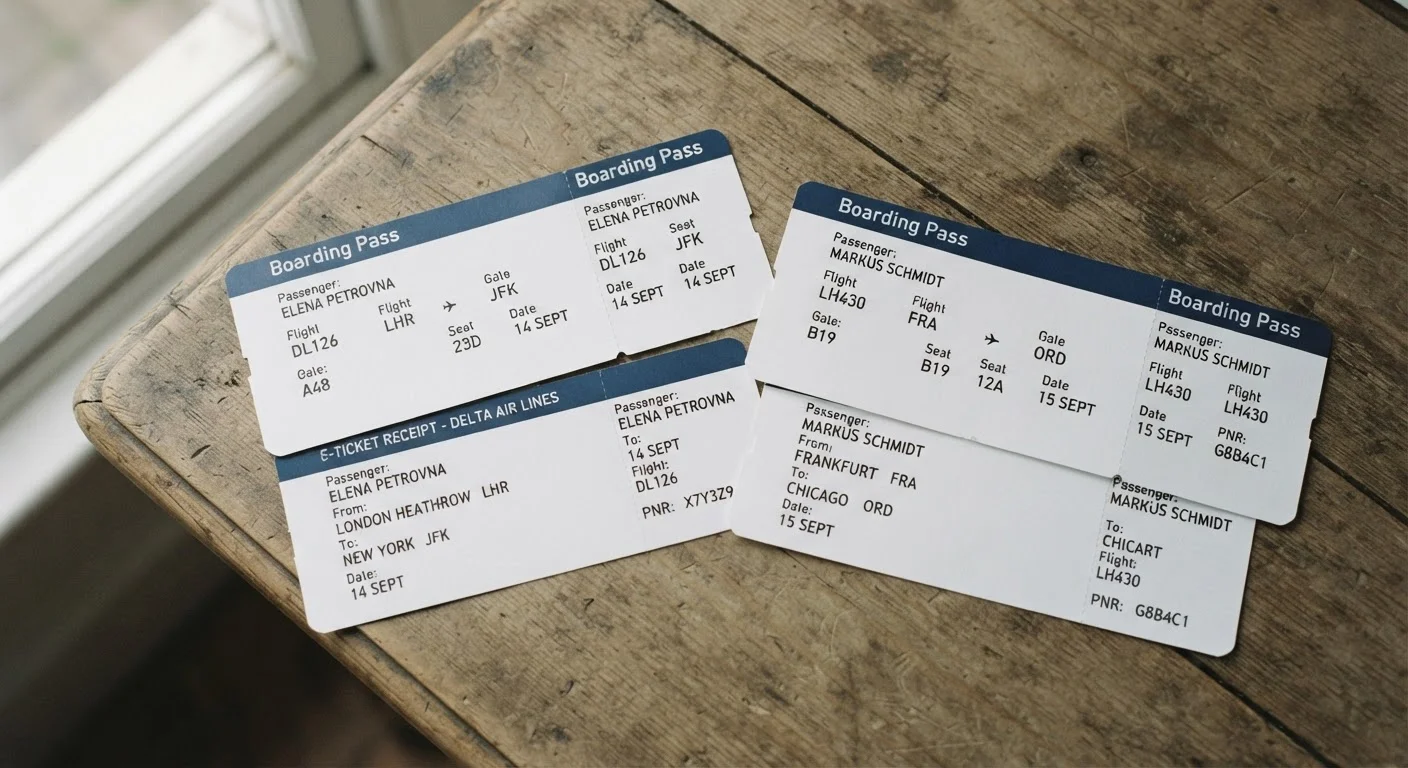
The core problem is that two separate bookings are legally two separate contracts. The airline operating your first flight owes you nothing regarding your second flight - even if a delay it caused makes you miss your connection. This isn't fine print; it's the fundamental structure of how airline liability works. See our breakdown of round-trip vs. one-way pricing for context on when the split actually pencils out.
Assuming the first airline will cover a missed connection on a separate booking.
Why it happens: Travelers are used to connecting flights on a single itinerary where the airline bears responsibility for the whole journey. They apply the same logic to separately booked tickets, which operate under entirely different rules.
Expecting to check baggage through to the final destination across two separate bookings.
Why it happens: Interline baggage agreements exist between many airline partners, but they only apply when tickets are issued on a single booking or under a codeshare agreement - not across independently purchased tickets.
Underestimating airport transfer complexity at the connection point.
Why it happens: Travelers often look at maps and assume a transfer between terminals is quick. In practice, international-to-domestic transfers, immigration, baggage claim, and re-check-in can each add 30-60 minutes.
Treating the fare savings as guaranteed without accounting for failure costs.
Why it happens: The price comparison is visible upfront; the potential costs of a missed connection are hypothetical and easy to discount. Travelers mentally anchor on the savings and underweight the downside.
Not checking visa or transit requirements between the two ticketed segments.
Why it happens: On a single itinerary, airlines and booking systems flag visa conflicts automatically. With separate tickets, no system cross-checks your full journey, and it's easy to book a transit that requires a visa you don't have.
How to Manage the Risk If You Still Split Tickets
Split ticketing isn't always wrong - but it requires deliberate planning to be safe. The most important buffer you can build is time. A layover of three to four hours in a well-connected airport gives you a realistic window to reclaim baggage, re-check in, and absorb a moderate delay without losing your second flight.
Your Second Flight Won't Wait
If your first flight lands late and it's on a separate booking, the second airline has no obligation to hold the plane or rebook you at no charge. You'll be treated as a no-show and may forfeit the ticket value entirely. Always check the fare rules on your second ticket - non-refundable fares compound the financial damage significantly.
Travel insurance with trip interruption and missed connection coverage is the other essential layer. Policies vary widely in what they cover and under what conditions, so read the policy wording carefully before purchasing - general information about coverage types is not a substitute for reviewing the actual terms. Booking direct with the airline vs. a third-party site also affects what recourse you have when disruptions happen.
For complex itineraries involving multiple stops, the structural planning matters even more. Structuring a multi-destination trip to keep airfare under control walks through open-jaw tickets and hub routing as alternatives that can reduce cost without stacking risk the same way separate tickets do.
~30%
Flights delayed more than 15 minutes (US domestic)
U.S. Bureau of Transportation Statistics data consistently shows roughly 20-30% of domestic flights experience delays, underlining why buffer time between separate tickets matters.
2-3 hrs
Recommended minimum buffer for separate international tickets
Experienced frequent travelers and travel forums generally suggest a minimum of two to three hours between separately booked legs at international hubs, not accounting for peak-season congestion.
This article is for general informational purposes only. Travel insurance terms vary by provider and policy; always review your specific policy documents and consult the insurer directly before relying on any coverage. Airline policies and passenger rights rules differ by country and carrier and may change; verify current terms with your airline before booking.