
Why Airlines Change Prices in the First Place
Airlines don't post a fixed price and leave it there. Every seat on a flight belongs to a fare bucket - a pricing tier with a limited number of seats allocated to it. When seats in one tier sell out, the next higher tier opens. When demand softens and lower tiers still have seats, the algorithm may keep them active longer or reopen a cheaper bucket to stimulate sales.
This system, called revenue management, is designed to maximize total ticket revenue across the flight rather than charge every passenger the same amount. The result: the same seat can carry a very different price depending on when you search. For a detailed look at how this plays out from search to checkout, see how airline pricing algorithms work.
~5-9%
Typical fare variation within a single booking window
Industry analyses of domestic US routes have found that fares can fluctuate by roughly 5-9% week-over-week during the active booking period, reflecting ongoing demand adjustments.
24-48 hrs
Typical duration of a demand-driven fare drop
Fare tracking data from flight monitoring services suggests most short-term price drops - especially those driven by competitor moves - last less than two days before the market stabilizes.
47 days
Historically cited average advance purchase for domestic deals
Research from airline industry analysts has pointed to a window around six to eight weeks before departure as a common sweet spot for domestic US fares, though this varies significantly by route and season.
The Four Most Common Price Drop Triggers
Tracking fare history on specific routes reveals that most drops cluster around a handful of causes:
- Demand shortfall. When bookings run slower than the airline's forecast for a departure date, revenue management systems lower fares to accelerate sales. This is the most common trigger and is largely invisible to travelers - you see the drop, not the underlying booking pace.
- Competitor fare changes. Airlines monitor each other's pricing in near real-time. If a competing carrier drops its fare on the same route, others often follow within hours to avoid losing market share.
- Schedule adjustments. If an airline changes aircraft, shifts departure times, or cancels a flight and reroutes passengers, it may reprice remaining seats on affected itineraries to keep them moving.
- Seasonal demand transitions. As a travel period shifts from peak to shoulder - say, the weeks just after a major holiday - entire routes can reprice downward. These drops are more predictable and often more durable than demand-shortfall drops.
Track Fares Before You Commit
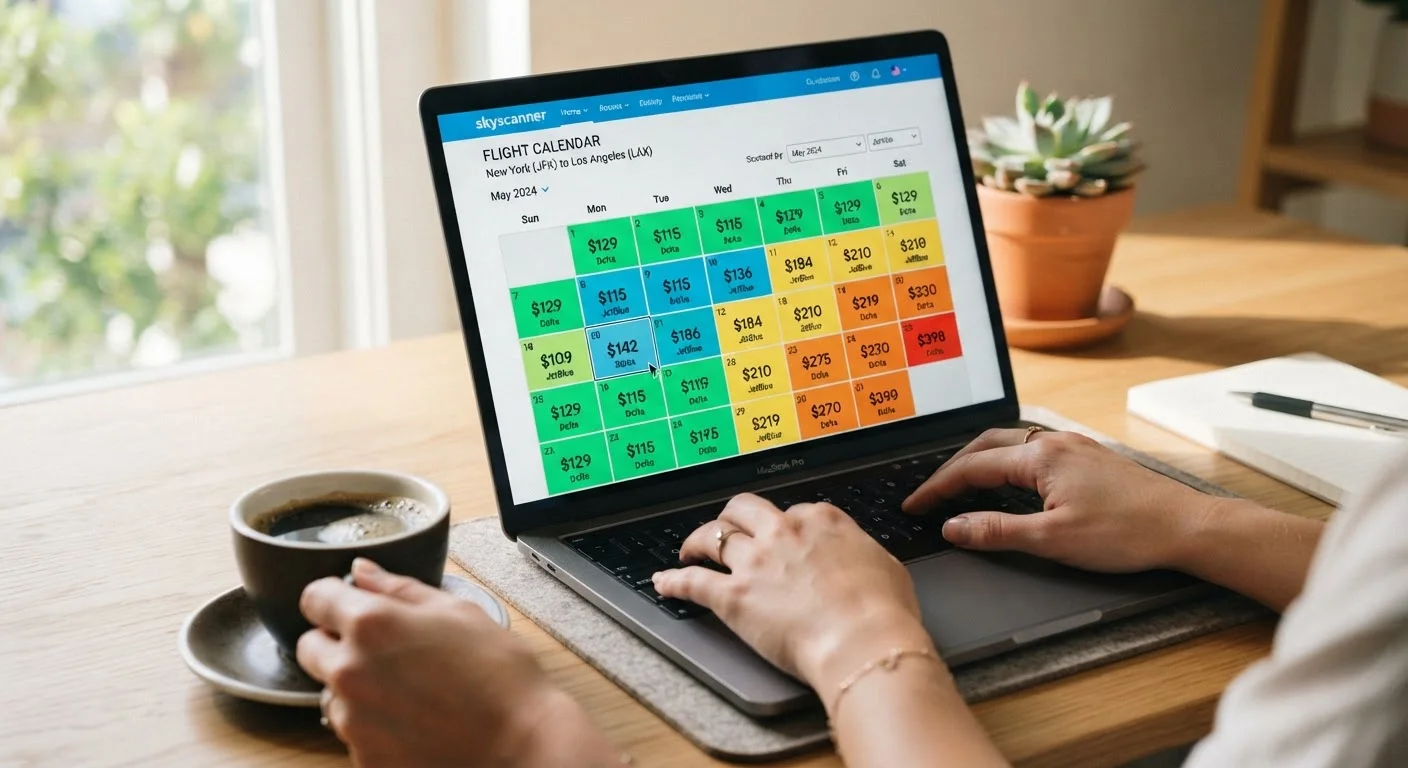
Before booking, check the same flight on three or four separate days to establish a baseline. If you see the fare move by more than 10% in either direction, you're on a route with active demand management - meaning both drops and surges are realistic. That context helps you decide when a price is worth locking in versus when it's worth watching a little longer.
The Booking Window Effect on Price Drops
Where you sit inside the booking window shapes your odds of seeing a useful price drop. Fares purchased very far in advance - often more than five or six months out - are set at introductory levels that may not reflect the eventual market price. They can rise or fall as the departure approaches, depending on demand.
The window where drops are most actionable is typically in the one-to-three-month range for domestic routes and the two-to-five-month range for international ones. This is when airlines have enough data on booking pace to actively adjust, and enough time that travelers can still realistically rebook without paying change fees on flexible fares.
Understanding how these windows function is foundational. The flight booking window explained breaks down exactly how airlines set fares across different time horizons. For a broader look at seasonal patterns that regularly produce lower fares, booking windows and shoulder season price valleys is worth reading alongside this article.
What Price Drops Can and Can't Tell You
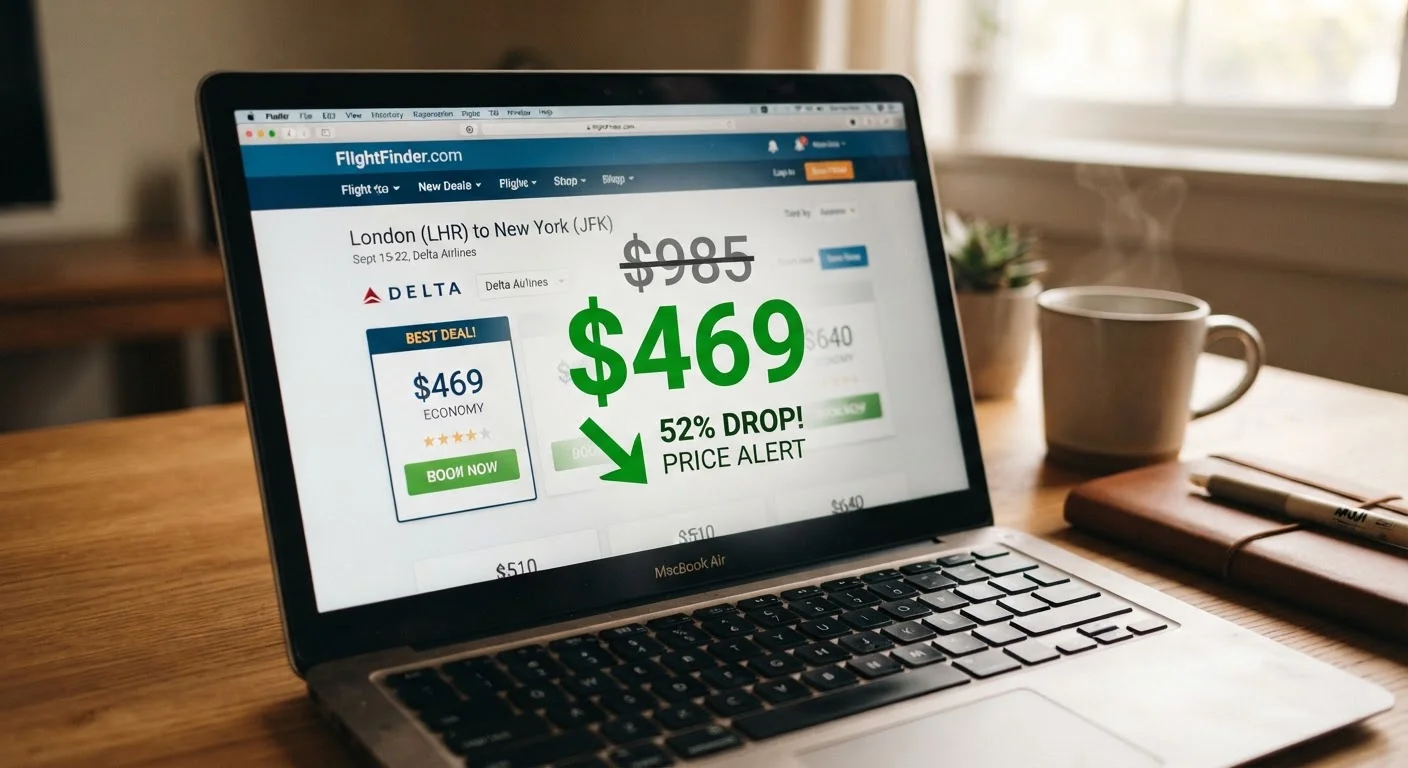
A price drop on your route is a signal, not a guarantee. It tells you that demand may be weaker than expected or that competitive pressure has moved the market. It does not tell you that the fare will drop further - in fact, if the lower price generates a burst of bookings, it can reverse within hours.
Rebooking Isn't Always Free
Even when a price drop occurs, capturing it usually requires rebooking - and that's only practical if your fare type allows changes without a prohibitive fee. Basic economy tickets on most US carriers do not permit changes. If price flexibility matters to you, confirm the fare rules at the time of purchase, not after a drop appears.
The practical implication: if you spot a fare that fits your budget, waiting for a deeper drop is rarely the right move. What a price drop most usefully tells you is that the route has pricing flexibility - meaning fares are responding to market conditions rather than being held firm. That's worth knowing when you're deciding whether to book now or continue monitoring. The less reliable move is anchoring to a specific lower number you once saw and waiting indefinitely for it to return.
Day-of-week patterns are another commonly cited factor. The evidence here is more mixed than popular advice suggests - why Tuesday departures aren't always cheapest walks through what current fare data actually shows.