
Why Airlines Price Around Demand, Not Around Cost
The fuel cost and crew cost for a flight are roughly the same whether the plane departs on a quiet Tuesday in February or the Wednesday before Thanksgiving. What changes is how many people want that seat. Airlines know this and price accordingly - a practice explained in detail in our article on why airfares fluctuate.
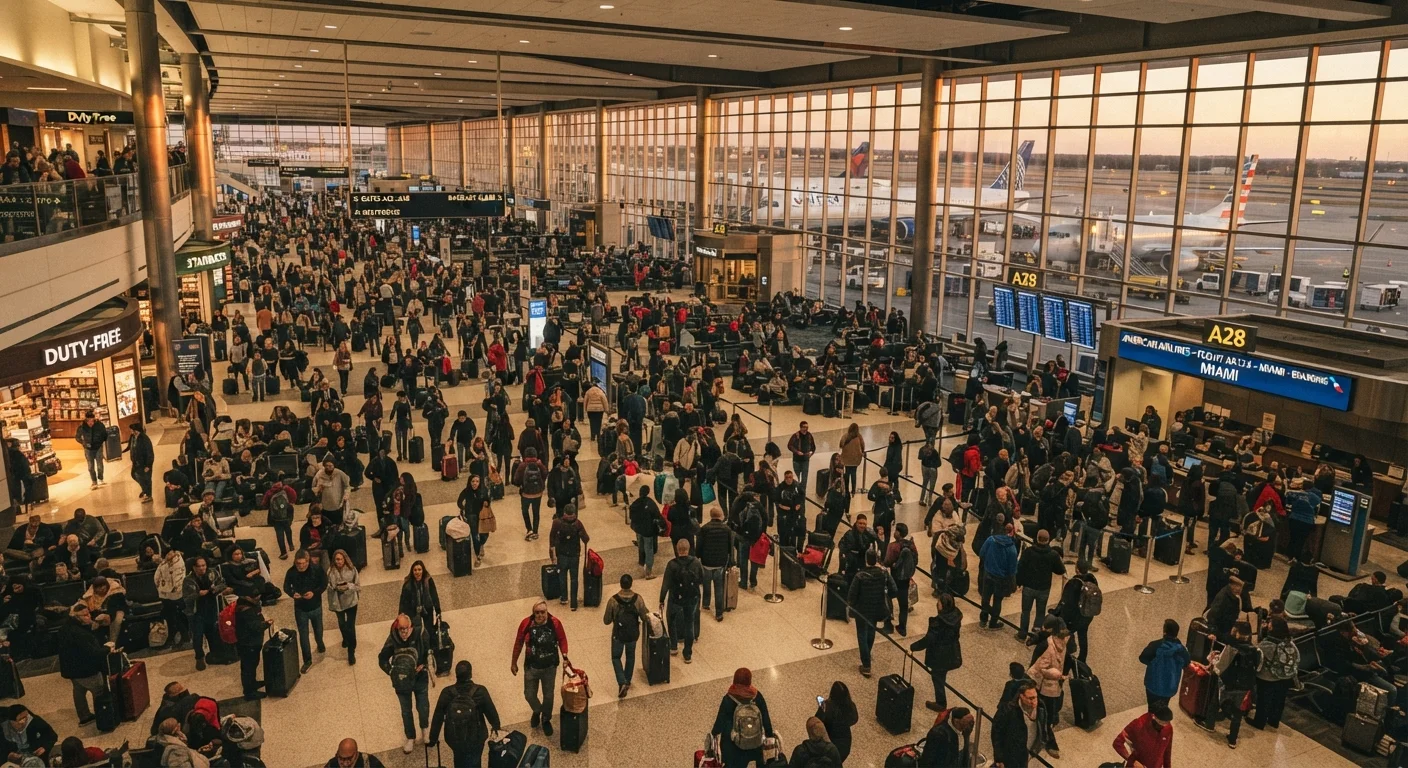
When booking pace on a given departure date outpaces historical norms, pricing algorithms close cheaper fare classes and open higher-priced inventory. When demand is weak, carriers discount to fill seats that would otherwise fly empty. The practical upshot: the date you choose to fly matters as much as how far in advance you book.
~30%
Average domestic fare premium during peak holiday weeks
Industry analysts and fare-tracking researchers consistently observe fares on major domestic US routes running 25-40% above off-peak baselines during Thanksgiving and the Christmas-New Year's window.
6-8 weeks
General domestic booking sweet spot before peak travel
Travel researchers commonly cite a window of roughly six to eight weeks before departure as where average domestic fares tend to be competitive - though this varies significantly by route and season.
3-5 months
Typical advance booking range for peak international travel
For popular summer international routes, fare data from multiple aggregators suggests that booking three to five months ahead often yields better prices than booking inside two months.
The Main Demand Cycles to Know
Demand on US routes clusters around three primary drivers:
- School calendars. Summer break (late June through early September), spring break (typically mid-March), and winter break (late December through early January) generate the highest and most predictable domestic demand spikes. Families with school-age children have limited flexibility, which keeps prices elevated throughout these windows.
- Federal holidays and long weekends. Memorial Day, Labor Day, and Thanksgiving consistently rank among the busiest travel periods of the year. The day before and the day after a holiday often carry a premium even greater than the holiday itself.
- Weather and destination seasonality. Demand for beach destinations surges in winter as cold-weather residents escape; mountain and ski destinations peak December through February. Caribbean and Florida routes can be expensive in winter for exactly this reason.
Understanding these cycles is the foundation of smarter booking. See how they interact with airline inventory strategy in our overview of the flight booking window.
Use Flexible Date Tools Before Committing
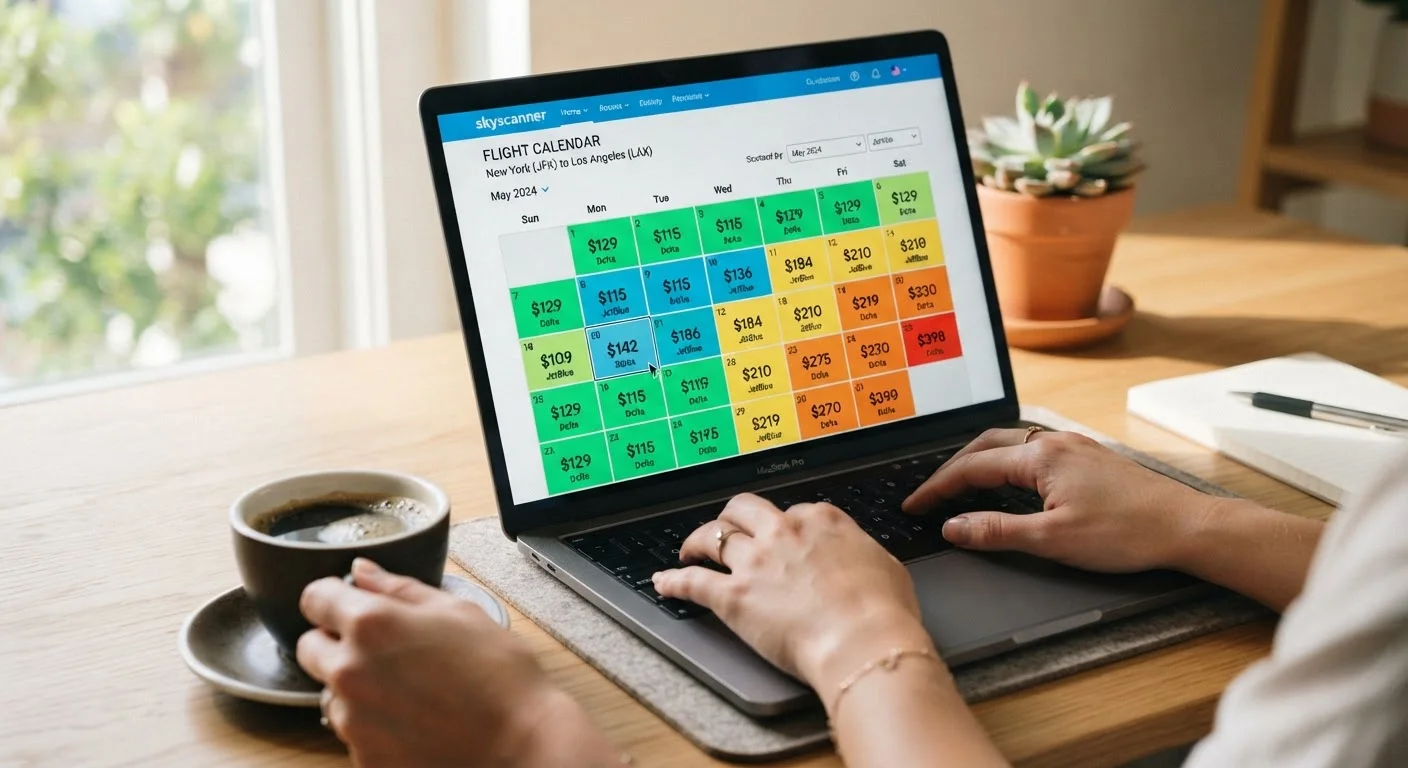
Most flight search tools offer a calendar or flexible-date view that displays fares across a range of departure dates simultaneously. Before locking in any peak-season trip, spend two minutes scanning dates two or three days in either direction. Even a single day's shift can sometimes drop a fare by a noticeable margin, particularly around the edges of a demand peak.
Shoulder Season: The Budget Traveler's Leverage Point
Shoulder season - the transitional weeks bracketing peak periods - is where most of the genuine savings opportunity lives for flexible travelers. Early September flights to Europe, late May trips to popular US national parks, or a Caribbean departure in late April all carry substantially lower fares than their peak-season equivalents, often with similar weather and far fewer crowds.
The key is recognizing that airlines shift pricing sharply once school resumes or a holiday weekend passes. A flight departing September 6 instead of August 30 can reflect a meaningful price difference on the same route simply because booking demand collapses after Labor Day.
For a deeper look at how airlines allocate different price tiers across the calendar, our piece on dynamic pricing and yield management explains the mechanics behind who pays what.
Local Events: The Demand Spike Most Travelers Miss
Predictable calendar events get most of the attention, but localized demand spikes from major conventions, sporting championships, and large festivals can be just as disruptive to fares on specific routes. A city hosting a major trade show or a college football championship weekend will see hotel and airfare prices surge on routes feeding that city, sometimes weeks in advance of the event itself.
Demand Spikes Vary by Route, Not Just Season
A nationwide holiday like Thanksgiving drives up fares broadly, but a major convention or sporting event only affects routes feeding the host city. A flight from Dallas to Atlanta during a college football championship weekend may be expensive while Dallas-to-Denver on the same dates remains affordable. Always evaluate demand at the specific route level rather than relying solely on calendar generalizations.
The practical defense: before booking any trip, check whether a significant event overlaps with your travel dates at the destination. If one does, either book well ahead or consider dates that avoid the event window entirely. Route-specific demand is always the variable that matters most - broad seasonal generalizations only get you so far. For broader strategies on timing and saving, explore the Flight Savings hub.