
Why Booking Windows Aren't One-Size-Fits-All
Many travelers assume the general rule - "book early and save" - applies equally to a weekend hop from Chicago to Nashville and a transatlantic flight to Lisbon. It doesn't. Airlines set prices using distinct yield-management models that respond differently to route distance, seat inventory, competition, and demand cycles. Applying a domestic mindset to an international booking, or vice versa, is one of the most common and costly timing mistakes budget travelers make.
The concept of a booking window refers to the period between purchase date and departure during which fares tend to cluster at their most competitive levels. Outside that window - either too early or too late - prices typically rise. But that window's shape, width, and timing vary considerably between domestic and international routes. For a deeper look at how seasonal patterns layer on top of these windows, see booking windows and shoulder season price valleys.
The Domestic Booking Window: Shorter and More Forgiving
For flights within the continental US - and most domestic routes in general - the competitive fare window tends to open roughly one to three months before departure. Several structural factors explain this:
- Higher route competition. Popular domestic routes often have multiple carriers fighting for the same passengers. That competition keeps fares from escalating as steeply or as early as on international routes.
- Faster inventory turnover. Domestic aircraft typically fly multiple legs daily. Airlines can reprice quickly and frequently, meaning fares fluctuate in shorter cycles.
- Lower seat counts per route. On many domestic routes, a smaller aircraft means fewer seats but also faster sell-through, which can produce unpredictable last-minute pricing.
Booking more than four months out on a domestic route doesn't always pay off - airlines often haven't released their promotional fares yet and may not have finalized schedules. Meanwhile, waiting until two weeks out carries real risk on high-demand routes. The practical sweet spot for most domestic travelers is six to ten weeks before departure.
If you're eyeing a weekend getaway, aim for that six-to-ten-week window and keep midweek departure flexibility open - it consistently produces lower fares than Friday or Sunday departures.
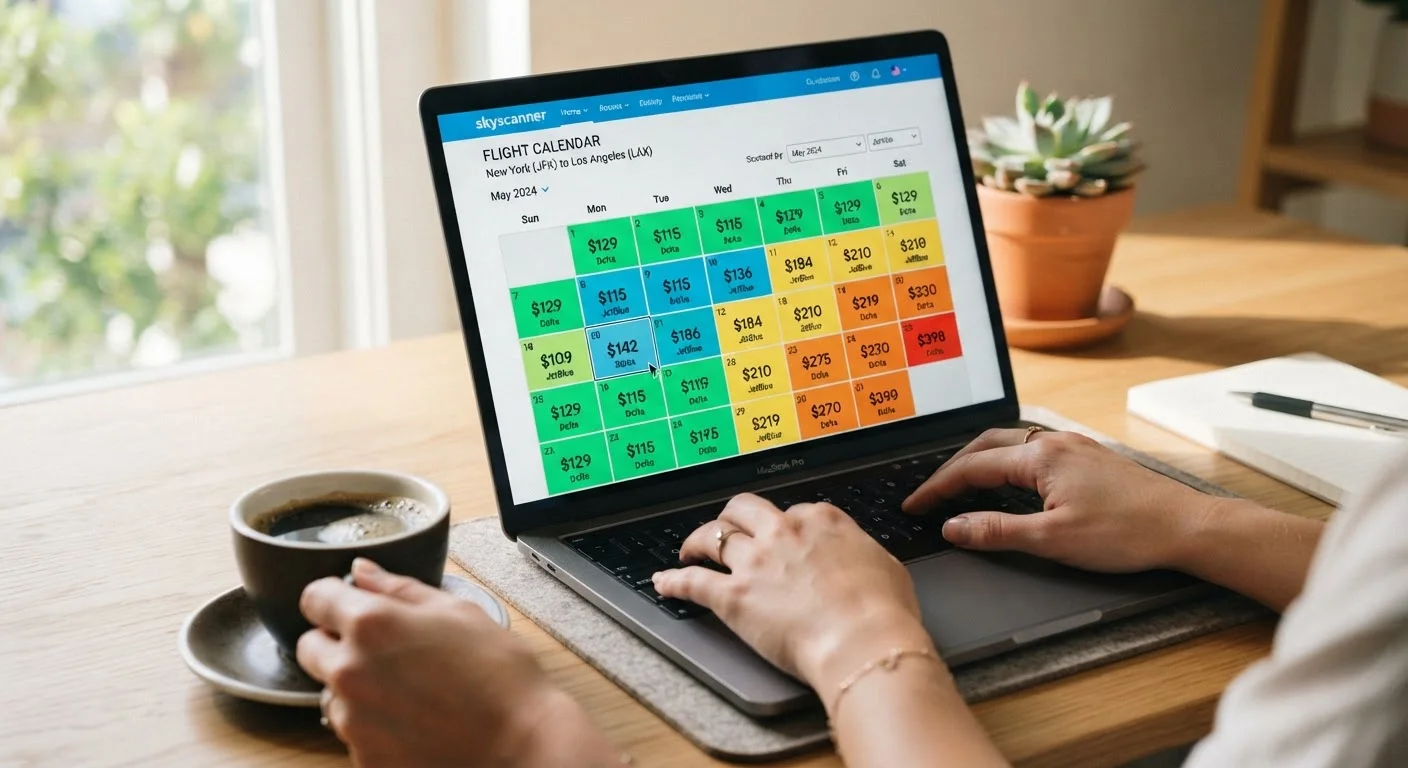
Use Fare Calendars to Find the Window
Most flight-search tools display a month-view fare calendar that makes it easy to spot which departure dates cluster at lower prices. Check this view before locking in dates - shifting a domestic trip by even one or two days within a week can produce a meaningful fare difference. For international trips, look across a two-to-three-week range around your target dates.
The International Booking Window: Longer and Less Forgiving
International routes - particularly transatlantic, transpacific, and long-haul flights - operate under a different set of pressures. The practical booking window here is three to six months before departure, with complex itineraries or peak travel dates (summer, major holidays) often warranting six months or more.
| Domestic Flights | International Flights | |
|---|---|---|
| Optimal booking window | 1-3 months before departure | 3-6 months before departure |
| Risk of booking too early | Moderate - promotional fares not yet released | Lower - fares often stable early |
| Risk of booking too late | Moderate on popular routes | High - inventory shrinks sharply |
| Route competition level | Generally higher | Often limited to 2-4 carriers |
| Fare fluctuation frequency | Frequent, short cycles | Slower, longer cycles |
| Non-fare planning factors | Minimal | Visas, currency, connections, seats |
Why does international require so much more lead time?
- Limited seat inventory on fewer competing flights. A route like New York to Tokyo may have only two or three carriers and one or two daily departures. Seats in each cabin are finite and sell steadily once fares open.
- Longer planning cycles for travelers. International trips require coordinating time off, accommodation, visas, and often connecting flights. Airlines know demand firms up months in advance and price accordingly.
- Fuel and currency hedging. Airlines factor long-haul fuel costs and currency exposure into international fares, which tend to be set and released earlier than domestic fares.
For families managing the logistics of a long-haul trip, early booking also secures contiguous seating and allows time to sort out entry requirements. See long-haul international travel with young children for a full breakdown of those considerations.
Putting It Into Practice
Knowing the windows is only useful if you act on them deliberately. A few practical implications:
- Set a calendar alert, not a vague intention. For international trips, mark a date three to four months out as your target purchase window. For domestic, mark six to eight weeks out.
- Monitor fare trends before you buy. Most flight-search tools display a fare calendar or price history. Use those to identify whether fares are rising or have already dipped.
- Don't conflate flexibility with passivity. Waiting for a last-minute deal on an international route is a high-risk strategy. The evidence generally favors booking within the window over holding out. Booking early vs. waiting for last-minute deals lays out what the data actually shows.
- Build the booking decision into your broader trip planning. If you're exploring underrated domestic destinations, a shorter booking window gives you room to research the destination thoroughly before committing.
For a complete framework that ties timing, search tools, and fare logic together, mastering flight booking strategy walks through each decision point step by step.
Don't Assume Sale Fares Override the Window
Promotional fare sales can appear outside the typical booking window, but they're unpredictable and not guaranteed. Planning a trip around the hope of a sale - rather than booking within the established window - is a risky strategy, particularly for international travel where seat availability is tighter. Use sales as a bonus if they appear, not as a primary booking plan.