

Why Booking Errors Are So Common - And So Costly
Most travelers don't overpay on flights because they're careless - they overpay because the booking process is designed around complexity. Fare classes, ancillary fees, and dynamic pricing create a system where the surface-level price rarely reflects what you'll actually spend. Add in common planning assumptions that don't hold up to scrutiny, and the conditions for costly mistakes are already in place.
The errors below aren't obscure edge cases. They're patterns that consistently inflate travel costs for otherwise informed travelers. Understanding why each one happens is as useful as knowing how to avoid it - because most of these mistakes repeat themselves trip after trip until the underlying assumption gets corrected.
For a broader look at how airfare mythology distorts booking decisions, see flight pricing myths that cost travelers real money.
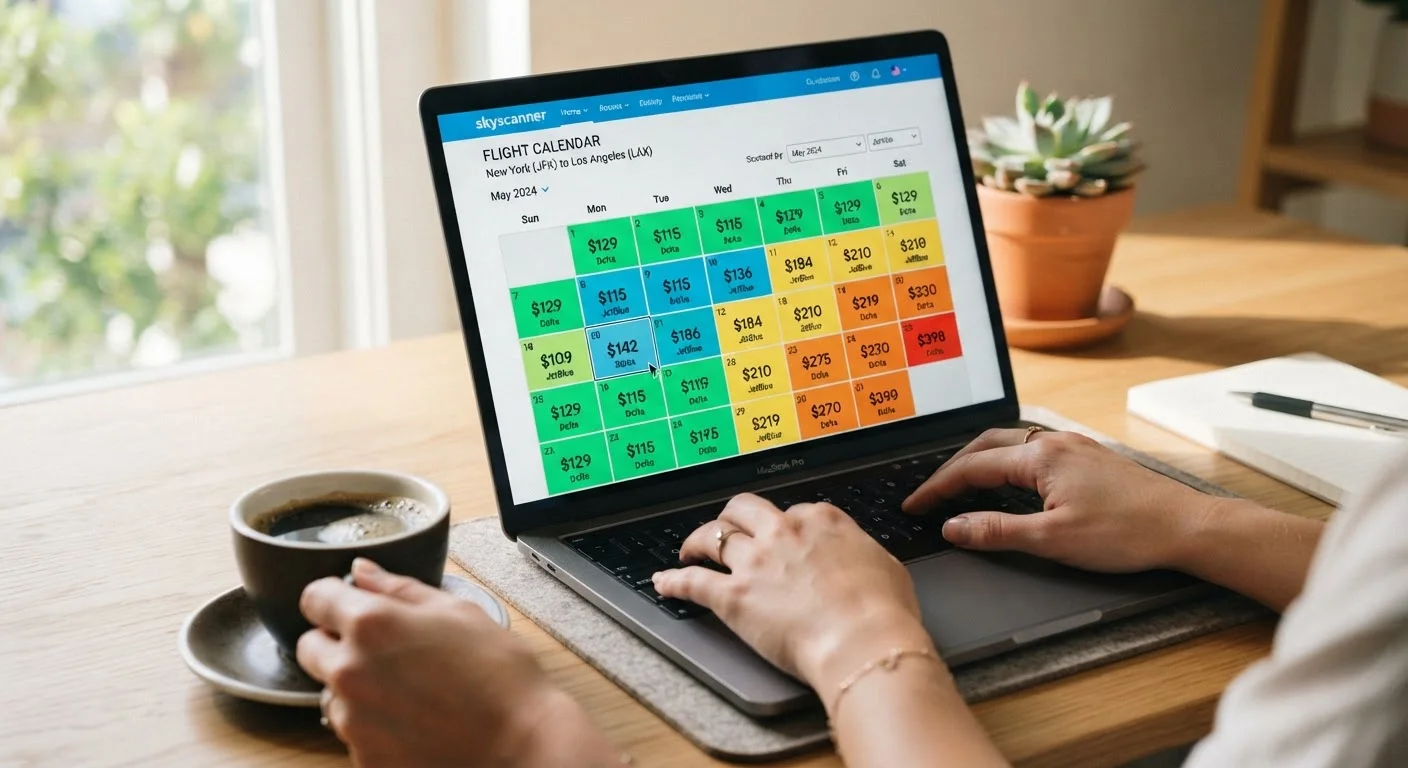
Booking too far in advance or waiting until the last minute, missing the pricing window where fares are most competitive.
Why it happens: Travelers assume earlier is always cheaper or that airlines slash prices close to departure to fill seats. Neither is consistently true.
Ignoring nearby airports when searching for flights, defaulting to the closest major hub.
Why it happens: Search engines default to the nearest airport, and travelers rarely override that setting or factor in ground transport costs realistically.
Skipping fare rules and assuming all low-cost tickets offer similar flexibility.
Why it happens: Booking platforms prominently display price and flight duration, pushing fare conditions to a secondary screen that most travelers skip.
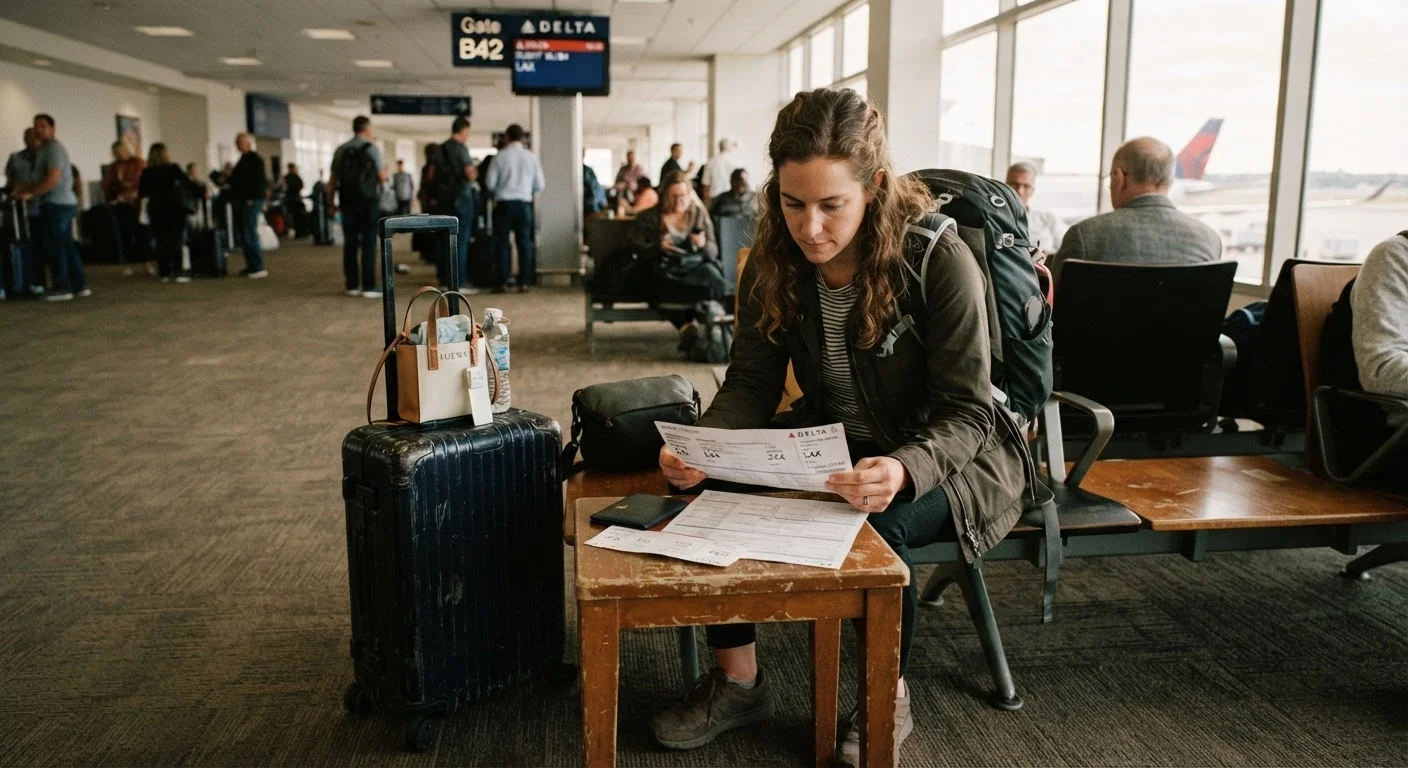
Treating the base fare as the total price without accounting for seat selection, baggage, and other ancillary fees.
Why it happens: Airlines have progressively unbundled services over the past decade, so the advertised fare covers less than it once did. Travelers unfamiliar with a carrier's fee structure routinely underestimate the all-in cost.
Booking all legs of a multi-destination trip on a single itinerary when splitting tickets would be cheaper.
Why it happens: Single-itinerary booking feels safer and simpler, and most travelers don't know that split ticketing is even an option.
Booking immediately when a price looks acceptable, without checking whether it's likely to drop further.
Why it happens: Scarcity signals on booking platforms - 'only 3 seats left at this price' - create pressure to act immediately, even when there's no genuine urgency.
How to Build a More Disciplined Booking Approach
Avoiding these mistakes isn't about gaming the system - it's about removing the assumptions that work against you. A few consistent habits go a long way.
Fare Rules Determine Your Real Flexibility
A low sticker price means little if the fare class is fully non-refundable and change fees exceed the ticket's value. Before confirming any booking, read the fare conditions - specifically the change, cancellation, and refund terms. Many travelers only discover these restrictions after plans shift, at which point their options are expensive or nonexistent.
Start searches broad: include nearby airports, flexible date views where available, and a realistic all-in cost estimate that includes baggage and seat selection. Then narrow down. This approach takes slightly more time upfront but typically surfaces materially better options than defaulting to the first result that looks reasonable.
Price volatility is real but often overstated as a reason to act immediately. Hidden charges inflate the final cost far more often than price increases do. Knowing what a fare actually covers before you buy is a more reliable cost-control strategy than trying to time a price drop.
If you're planning a weekend trip domestically, booking timing and route flexibility matter especially. Weekend trips often cost more than they should - and the same booking errors that inflate longer trips apply just as much to short getaways. Once your flights are locked in, shifting attention to daily travel costs is where the next layer of savings typically lives.
~$60
Average one-way domestic checked bag fee
Airline ancillary fee data compiled by the Bureau of Transportation Statistics shows bag fees remain a significant unbundled cost on domestic itineraries.
6-8 weeks
Typical domestic fare sweet spot before departure
Industry analysis from multiple fare-tracking platforms consistently identifies a window roughly one to three months out as the most price-competitive for domestic US routes.