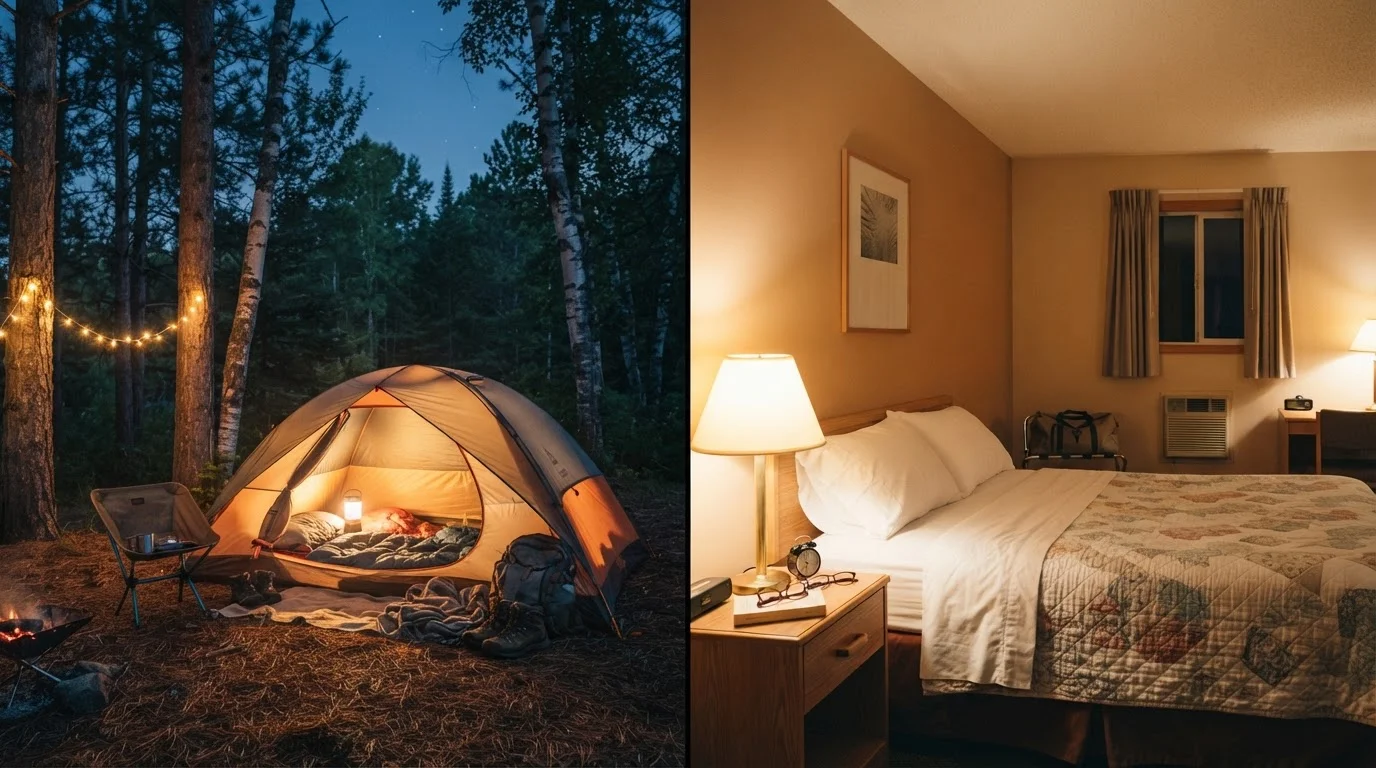


The Real Reason Weekend Trips Feel Expensive
Weekend getaways have a reputation for being pricey - but in most cases, the destination isn't the problem. The habits and timing decisions layered around the trip are what quietly inflate the cost. Small choices made in the days before departure often do more damage to a weekend budget than the destination itself ever could.
Most of these patterns are invisible until you see them named. And once you recognize them, they're genuinely easy to interrupt. The fixes rarely require sacrifice - just a small recalibration of when you leave, where you look, and how much you try to pack in.
Last-Minute Doesn't Always Mean Cheaper
A common assumption is that waiting until the last moment yields deals. In practice, weekend accommodations - especially in popular drive-to destinations - often surge in price within the final 48 to 72 hours. If you're flexible on destination but rigid on dates, book lodging at least one to two weeks out to avoid the steepest markups.
Common Mistakes That Inflate Weekend Trip Costs
The following errors show up consistently across weekend travel planning - whether the destination is a coastal town, a mountain village, or a river valley two states over. Each one is correctable, and none require giving up on the trip itself.
Leaving on Friday night instead of Saturday morning, padding costs without adding meaningful experience.
Why it happens: Friday departure feels intuitive - it maximizes time away. But Friday night rates for hotels, gas station congestion, and restaurant waits all spike predictably.
Booking in a well-known hub city when a nearby smaller town offers equal or better experiences at lower cost.
Why it happens: Travelers default to recognizable names - Asheville, Santa Fe, Savannah - without investigating what's 30 to 60 miles away. The surrounding region often has comparable scenery, food culture, and charm at significantly lower accommodation prices.
Ignoring free or low-cost public land and replacing it with paid alternatives out of unfamiliarity.
Why it happens: Most travelers don't research local parks, wildlife refuges, or state forests before arriving, so they default to ticketed attractions once they're on the ground.
Treating the weekend budget as a single lump sum rather than breaking it down by category.
Why it happens: Short trips feel informal, so people skip structured budgeting - then get surprised by how quickly food, parking, and incidentals compound. See daily travel cost guides for a clearer picture of where money actually goes.
Overpacking the itinerary and paying for activities you don't have time to fully enjoy.
Why it happens: The pressure to "make it worth the trip" leads travelers to over-schedule, purchasing tickets for multiple paid venues and then rushing through each one.
Assuming weekends require significant advance planning, and either over-planning or abandoning the idea entirely.
Why it happens: Travelers conflate the logistics of international or multi-week trips with a 48-hour getaway. The cognitive overhead feels disproportionate, so trips get perpetually postponed. The myths about weekend travel article breaks down exactly why this thinking holds people back.
For a broader look at how booking decisions compound costs before you even arrive, the booking mistakes that cost travelers more than they realize guide covers timing and fare traps worth reading alongside this one.
What a Smarter Weekend Actually Looks Like
A well-structured weekend getaway doesn't need to be elaborate. Depart Saturday morning, stay somewhere within two to three hours, anchor the day around one free or low-cost outdoor experience, and let meals be the adventure rather than ticketed attractions.
~60%
Of US weekend trips are drive-to destinations
According to US Travel Association data, the majority of domestic leisure trips involve personal vehicle travel, making departure timing and fuel efficiency meaningful cost levers.
$10 or less
Typical state park vehicle entry fee
Most US state parks charge a flat per-vehicle day-use fee well under $10, offering hiking, swimming, and scenic access that rivals paid alternatives.
20-30%
Potential lodging savings from Saturday arrival
Weekend rate patterns at drive-to destinations frequently show Friday night as the highest-demand night; shifting to Saturday arrival can meaningfully reduce the per-night cost.
Travelers who underestimate daily spending are a consistent pattern - not a personality flaw. The guide on underestimating daily travel costs walks through exactly where those gaps appear and how to close them before the trip, not after the credit card statement arrives.
Weekend travel across the US is genuinely accessible at lower price points than most people assume. The obstacles are almost always planning habits - and those are entirely within your control.