
Why Airlines Oversell Seats
Every airline's revenue model depends on flying full planes. Historically, between 5% and 15% of ticketed passengers don't show up for a given flight - they miss connections, rebook in advance, or simply no-show. Airlines use historical data to predict these rates by route and sell tickets accordingly, accepting that most days the numbers balance out.
When the prediction is wrong - more passengers arrive than seats exist - the airline has an oversold departure. This is not a system failure; it is an intentional revenue strategy that occasionally produces a visible inconvenience at the gate.
Understanding this framing matters: the airline created the situation. Passengers who find themselves caught in an oversold gate are not at fault, and they hold more negotiating power than most realize. For broader context on how airlines price and manage seat inventory, see The Anatomy of an Airfare.
~5-15%
Typical passenger no-show rate airlines model for
Airlines use historical route-level data to calculate how many seats they can safely oversell; this range reflects general industry estimates, not a single published figure.
400%
Maximum involuntary bump compensation (as % of one-way fare)
Under U.S. DOT denied boarding rules, involuntary bumpees facing longer delays may receive up to 400% of their one-way fare, subject to a dollar cap the DOT revises periodically.
~450K
U.S. passengers denied boarding in a recent reported year
DOT Air Travel Consumer Reports track voluntary and involuntary denied boardings annually; the figure fluctuates with travel volume and airline practices.
Voluntary Bumping: How the Gate Negotiation Works
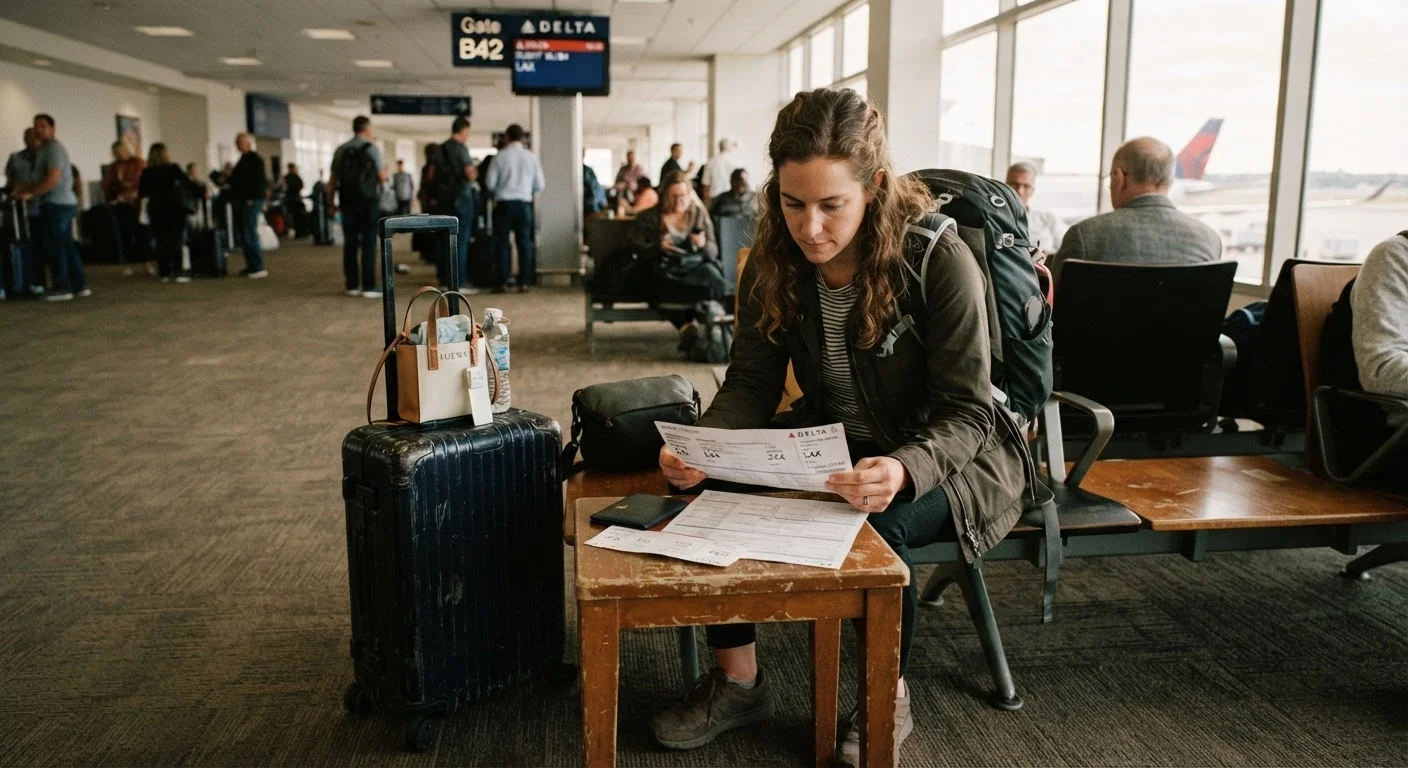
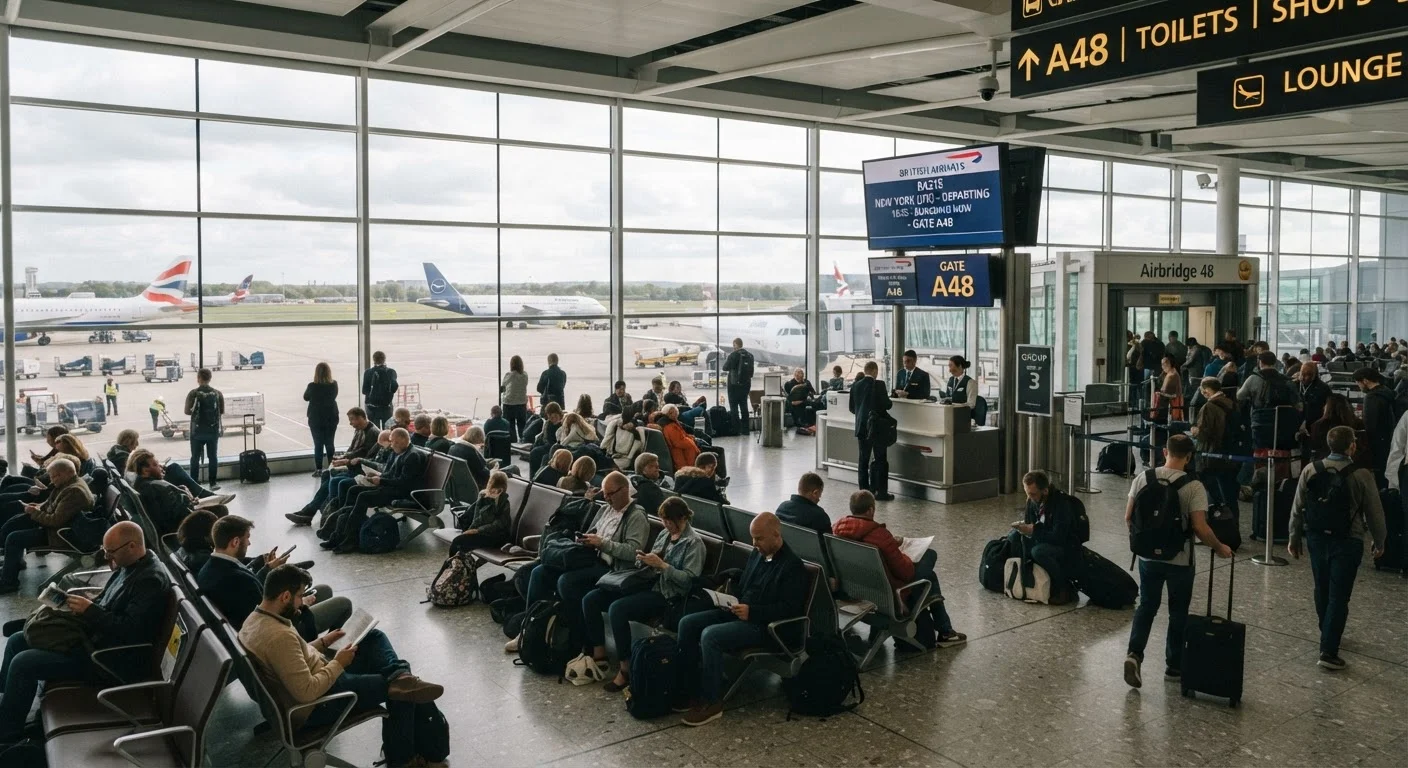
When a flight is oversold, airline gate agents first ask for volunteers willing to give up their seats in exchange for compensation. This is voluntary bumping, and the process is more negotiable than most passengers realize.
The initial offer - usually a travel voucher of a set dollar amount - is a starting point, not a final word. Passengers have accepted offers ranging from modest vouchers to round-trip tickets, hotel stays, meal credits, and cash. Before agreeing to anything, consider asking:
- What is the next available flight, and is it confirmed or standby?
- Is the compensation a voucher, a travel credit with expiration, or transferable cash?
- Will the airline cover meals, ground transport, or a hotel if the rebooking involves an overnight stay?
Only sign or verbally accept after those answers are clear. The airline needs volunteers more than any individual passenger needs to be first on the next flight.
Ask for Confirmed Rebooking Before Agreeing
Before accepting any voluntary bump offer, confirm that your replacement seat is guaranteed - not standby. Ask the gate agent to print or email your confirmed boarding pass for the next flight before you surrender your original seat. This one step prevents the most common post-bump frustration: discovering the 'next flight' is also overbooked.
Involuntary Bumping and Your Federal Protections
If not enough volunteers come forward, airlines can involuntarily deny boarding to selected passengers. This is regulated. Under U.S. Department of Transportation rules, passengers who are involuntarily bumped and face a significant delay are entitled to denied boarding compensation - a cash payment calculated as a multiple of the one-way fare, subject to a regulatory cap that the DOT updates periodically.
Key protections to know:
- Compensation is owed in cash (check or electronic transfer), not just vouchers, unless the passenger agrees to an alternative form.
- You must be rebooked on the next available flight to your destination at no additional charge.
- Some passengers are exempt from involuntary bumping under DOT rules, including passengers with disabilities in certain circumstances and unaccompanied minors - verify current rules with the DOT or your airline before travel.
Always verify the current compensation caps directly with the DOT, as these figures are subject to regulatory revision. For a parallel look at compensation rights when flights are delayed rather than overbooked, see Flight Delay Rights.
DOT Rules Apply to Domestic and International Departures from the U.S.
U.S. Department of Transportation denied boarding protections apply to flights departing from U.S. airports, regardless of whether the airline is U.S.-based. However, international flights arriving into the U.S. from abroad may be governed by the destination country's regulations rather than DOT rules. Always check the specific regulations that apply to your itinerary with the relevant authority.
How to Reduce Your Risk - and When Bumping Can Work in Your Favor
Passengers are not equally likely to be bumped. Airlines build priority lists using check-in time, fare class, frequent-flyer status, and whether a seat assignment was confirmed at booking. Practical steps that lower your risk:
- Check in online as early as the window opens - typically 24 hours before departure.
- Select a seat assignment at booking, not at the gate.
- Arrive at the gate early; late arrivals are the first candidates for removal.
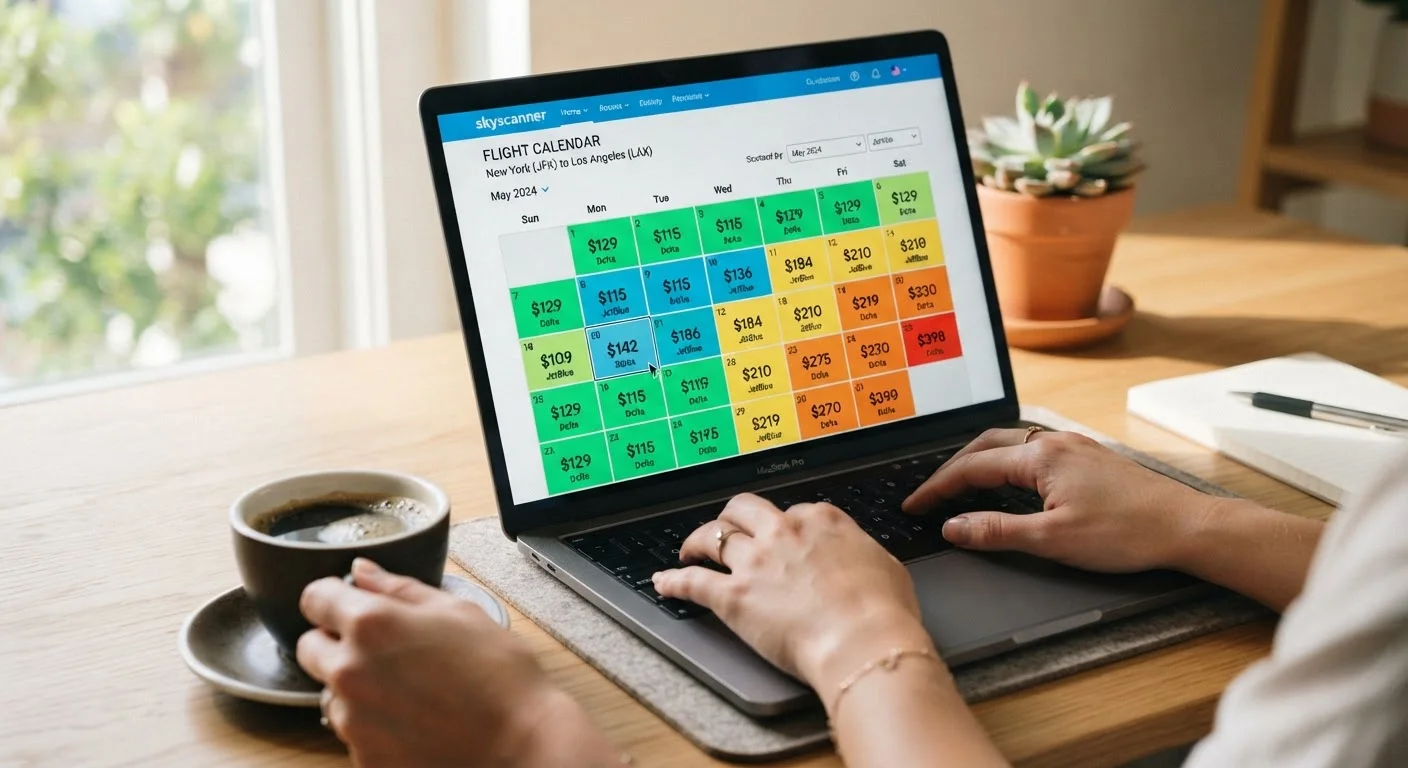
That said, bumping isn't always a bad outcome. If your schedule is genuinely flexible and the compensation offered covers real future travel value, volunteering can be a reasonable trade. Budget travelers who book outside peak windows often have more scheduling flexibility and are better positioned to make use of vouchers.
The key is making an informed decision rather than a pressured one. Know your next commitment, calculate the actual cost of a delay, and negotiate from a position of understanding - not urgency.
This article provides general information about airline industry practices and U.S. federal consumer protection rules. Compensation amounts, regulatory details, and airline policies change over time. Always verify current rules with the U.S. Department of Transportation and your carrier before making decisions at the gate.