
The Regulatory Split: Where You Fly Determines What You're Owed
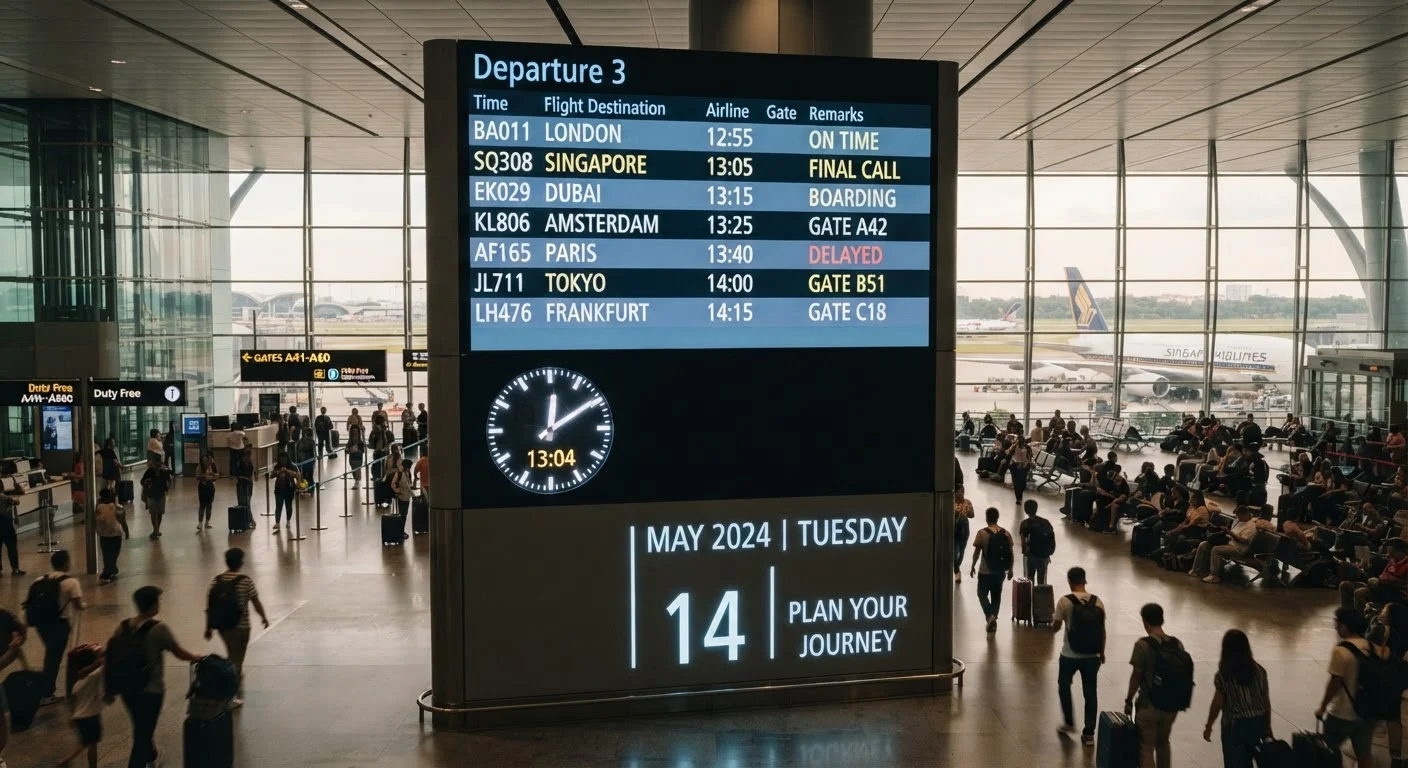
The most important thing to understand about flight delay rights is that they are jurisdiction-specific. There is no universal passenger protection treaty. Your departure airport - not your airline's headquarters or your home country - is usually the decisive factor.
European Union: EC 261/2004 is the most passenger-friendly framework in widespread use. It applies to all flights departing an EU airport, plus flights arriving into the EU on an EU-licensed carrier. Compensation is set by law: €250 for short-haul delays over three hours, €400 for medium-haul, and €600 for long-haul. Airlines can only escape this if they prove an extraordinary circumstance caused the delay.
United States: The DOT framework is narrower. There are no federally mandated cash compensation amounts for delayed arrivals. The binding rules cover tarmac delays - domestic flights must offer deplaning after three hours, international after four - and airlines must adhere to their published customer service commitments. Refunds are required for cancellations, but a delayed flight rarely triggers automatic monetary compensation.
Other regions: Canada, the UK (post-Brexit), and several other countries have introduced their own compensation frameworks. The UK retains rules similar to EC 261/2004 under retained EU law. Canada's Air Passenger Protection Regulations set tiered compensation for delays within an airline's control. Always check the rules of the country you're departing from.
Your Departure Country Sets the Rules
A common misconception is that your nationality or the airline's home country determines your compensation rights. In practice, the country you're departing from - and sometimes the carrier's licensing - is what matters. A US citizen flying from Paris on any airline is covered by EU rules. Always check the regulations of your departure country before assuming what applies.
What Airlines Must Provide During a Delay
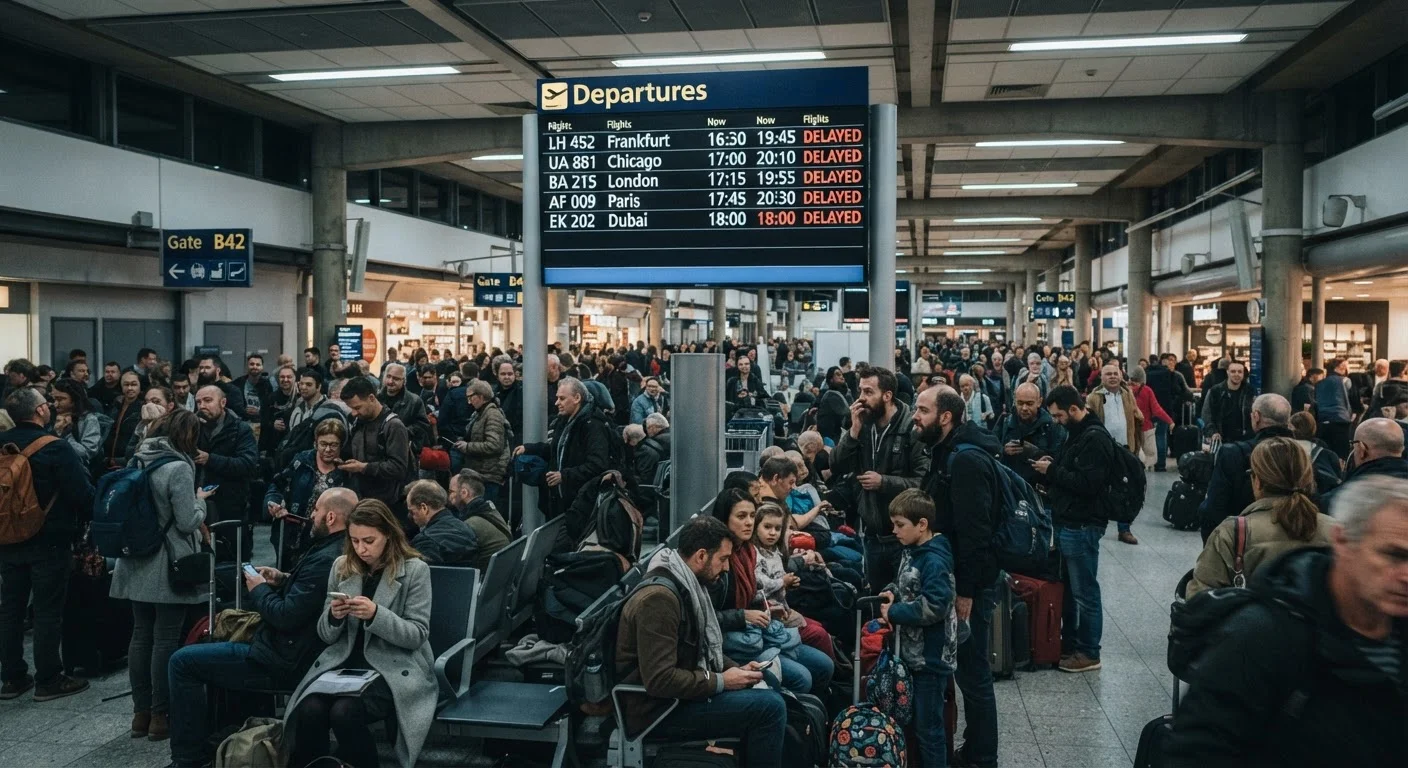
Even where cash compensation doesn't apply, airlines typically owe passengers what's called a "duty of care" during significant delays. Under EU rules, this kicks in after a two-hour delay for short flights and three hours for longer routes. Duty of care includes meals and refreshments proportionate to the wait, two free communications (calls or emails), and hotel accommodation plus transfers if an overnight stay becomes necessary.
In the US, duty-of-care obligations are less codified and vary by airline. Most major carriers commit to providing meal vouchers for delays over a certain threshold in their customer service plans - but these are voluntary commitments, not legal mandates. Check the airline's plan on the DOT website before you travel so you know what to expect. If an airline fails to honor its own published commitments, you can file a complaint with the DOT.
Save Your Receipts During Any Delay
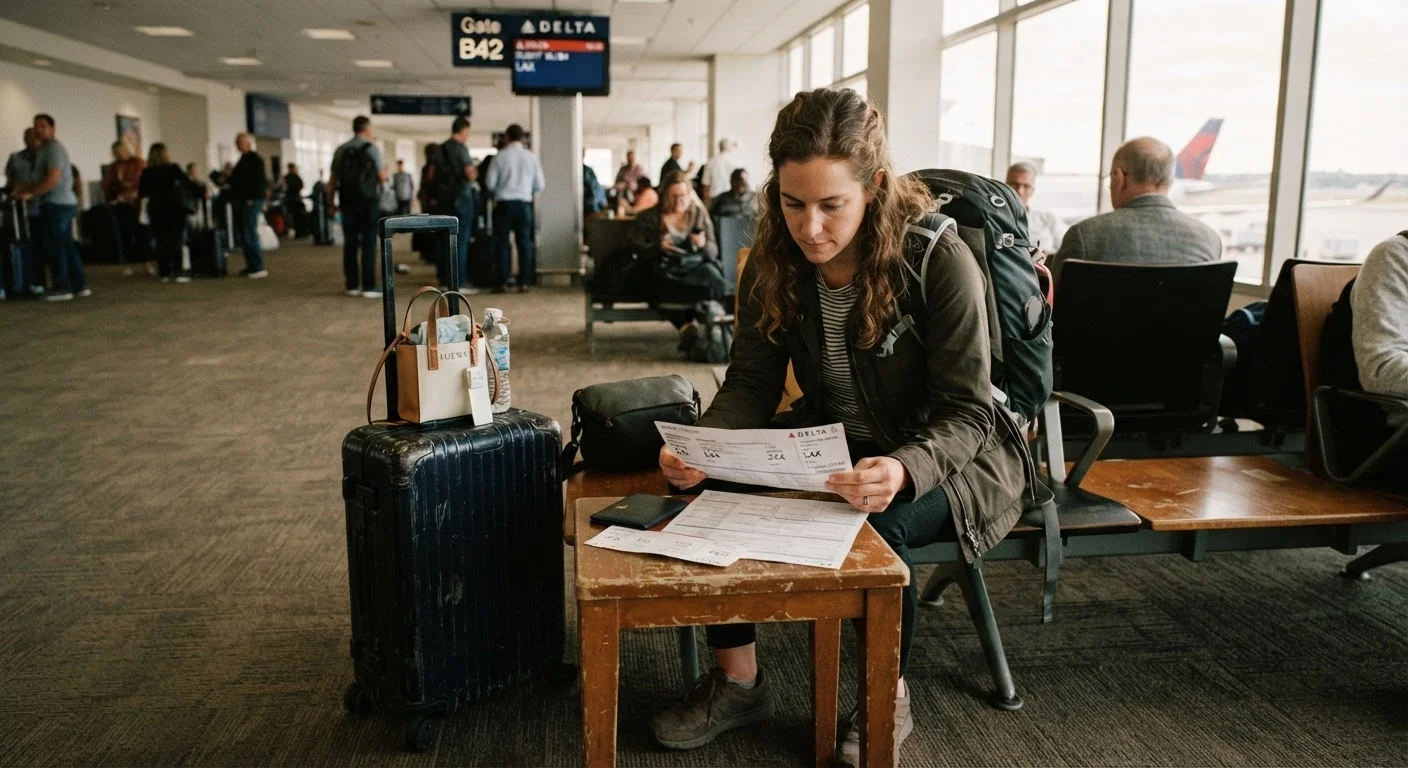
If a delay forces you to buy meals, pay for a hotel, or arrange your own transport, document every expense with receipts. Under EU rules and many airline customer service plans, reasonable out-of-pocket costs incurred because of the delay can be reimbursed - but airlines will ask for proof. A photo of each receipt taken immediately is enough.
If you incur out-of-pocket expenses during a delay - food, a hotel room, transportation - keep every receipt. Under frameworks like EC 261/2004, reasonable expenses incurred because of the delay can be claimed even when cash compensation doesn't apply.
Extraordinary Circumstances: The Key Exemption
Both EU regulations and most airline policies carve out "extraordinary circumstances" - situations outside the airline's control where compensation obligations are reduced or eliminated. Common qualifying events include severe weather, air traffic control strikes, security incidents, and medical emergencies onboard.
What does not qualify: technical faults that are part of normal operations, staff shortages, or scheduling errors. Airlines sometimes invoke extraordinary circumstances broadly, and passengers in the EU have successfully challenged these claims. If an airline cites extraordinary circumstances to deny your claim, you're entitled to ask for documentation and can escalate to a national enforcement authority.
Understanding what triggers a delay matters practically. If you regularly book tight connections, a missed link due to an upstream delay can cascade into a claim situation - or not, depending on whether the disruption was within the carrier's control. See our guide on layover length risk for how connection buffers affect your exposure to these situations.
€600
Maximum EU compensation per passenger
Under EC 261/2004, long-haul flights delayed by more than four hours entitle eligible passengers to €600 in cash compensation.
3 hours
Delay threshold for EU cash compensation
EU regulations require airlines to pay compensation when a flight arrives at its destination three or more hours later than scheduled.
3 / 4 hours
US tarmac delay limit (domestic/international)
US DOT rules require airlines to offer deplaning options after three hours on domestic tarmac delays and four hours for international flights.
How to File a Claim and What to Document
Claiming compensation starts with the airline. Submit a written request - email is fine - referencing the specific regulation you're relying on and the facts of your delay: flight number, scheduled vs. actual arrival time, and what the airline communicated as the cause. Attach your boarding pass and any written communication from the airline.
Airlines in the EU have 14 days to respond under most national guidance, though this isn't universally codified. If they reject your claim or don't respond, escalate to the relevant national enforcement body in the EU (for example, the Civil Aviation Authority in the UK, or the Luftfahrt-Bundesamt in Germany). In the US, file a complaint with the DOT's Aviation Consumer Protection Division.
Avoid booking errors that make claims harder to pursue - for example, separate ticket bookings mean a delay on one flight gives you no recourse with the second carrier. See common booking mistakes that cost travelers for more on how ticket structure affects your protections. Similarly, if your flight is oversold as well as delayed, different rules may layer on top - understand your overbooking rights before accepting any offer at the gate.
This article provides general information about flight delay compensation frameworks. Rules change, and individual circumstances vary. Verify current regulations with the relevant aviation authority or a qualified adviser before making decisions based on your specific situation.