
Why Lounge Access Isn't Only for Elite Travelers
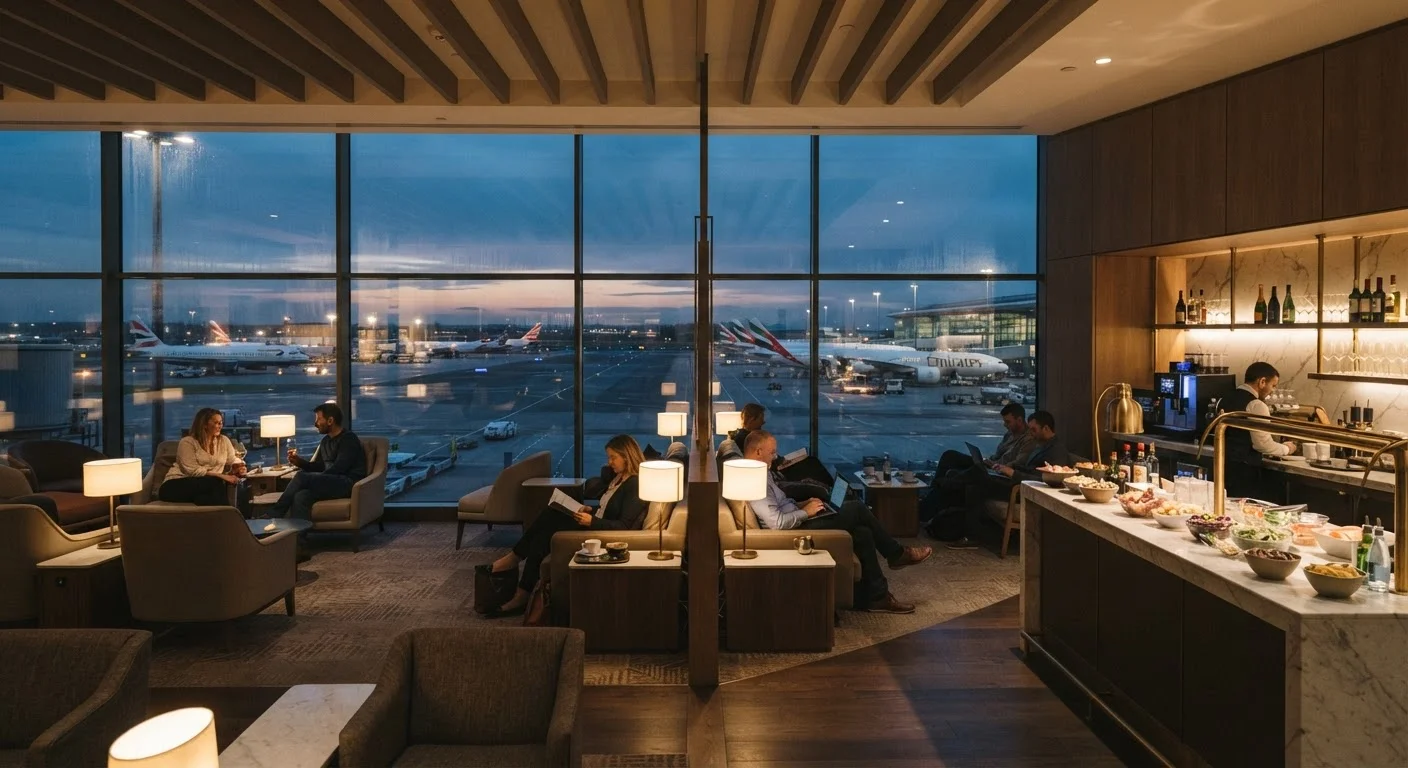
The assumption that airport lounges are gatekept behind premium credit cards or first-class tickets keeps many budget travelers eating overpriced terminal sandwiches when a quieter, more comfortable option exists just down the concourse. The reality is more accessible than the marketing suggests.
Lounge networks, airlines, and independent operators have expanded pay-as-you-go and membership models precisely because demand exists beyond the frequent-flyer elite. Understanding the actual access pathways - and their real costs - helps you decide when a lounge is genuinely worth it and when it isn't.
If you're already thinking strategically about airfare, this fits naturally alongside tactics like unconventional fare strategies and lesser-known cost-reduction approaches that experienced travelers rely on. Lounge access is one more lever - use it when the math works.
Pay-Per-Visit Day Passes at the Door
Many airport lounges - including those run by airlines and independent operators - sell walk-up day passes to any traveler holding a same-day boarding pass, regardless of ticket class or card type. Pricing typically ranges from around $35 to $75 per visit depending on the lounge and airport.
Walk-up availability isn't guaranteed: busy travel periods often see lounges reach capacity and close their doors to walk-in guests. Calling ahead or checking the lounge's website on your travel day can save a wasted walk. Some lounges also allow advance purchase of day passes online, occasionally at a slight discount over the walk-up rate.
Walk-up day passes are the most straightforward lounge option for occasional travelers with no status.
Standalone Priority Pass or Lounge-Network Memberships
Priority Pass is the largest independent lounge-access network, covering over 1,400 locations worldwide. While it's commonly bundled with premium credit cards, Priority Pass also sells memberships directly - including pay-per-visit tiers that charge a flat fee each time you enter, with no annual lounge commitment beyond the base membership fee.
For travelers who fly six or more times a year and value lounge access consistently, a standalone membership can be more cost-effective than per-visit walk-up rates. Compare the annual fee plus projected per-visit charges against day-pass costs at your usual airports before committing.
Priority Pass sells directly to consumers - no premium credit card required for enrollment.
Airline Alliance Lounge Access Through Fare Class
Some airline alliances - particularly Star Alliance and oneworld - allow business-class passengers on member carriers to access partner lounges globally, regardless of which specific airline issued the ticket. If you've purchased a business-class fare (even a discounted one) on a qualifying itinerary, lounge access may be included by default.
This matters most on international routes where business-class fares occasionally become available at prices not dramatically higher than premium economy. The lounge benefit is part of the fare, not an add-on - so it's worth factoring into fare comparisons when the price gap is narrow.
Alliance lounge access travels with your fare class, not your frequent-flyer tier.
Lounge Access as a Fare-Based Add-On
A handful of carriers sell lounge access as a standalone upgrade at booking or check-in, separate from ticket class. This is distinct from upgrading your entire fare - you retain your economy seat but pay specifically for lounge entry during your departure wait. Some airlines bundle this with priority boarding or extra baggage in a packaged option.
These add-ons vary widely in value. Check exactly which lounge you'd access (airline-operated vs. contracted third-party lounges differ significantly in quality) and whether access covers a connection as well as your departure airport.
Some airlines sell lounge access as a standalone add-on - worth checking at booking if you have a long wait.
Discounted or Complimentary Access for Specific Traveler Groups
Certain lounges extend free or reduced-rate access to groups that often go unaware of the benefit. U.S. military personnel traveling on orders are admitted without charge to some airline and USO-affiliated lounges at major domestic airports. Children under a set age (commonly two or twelve, depending on the lounge) may enter free when accompanying a paying adult guest.
Some independent airport lounges also offer resident discounts for travelers departing from a home airport, or reduced rates for passengers connecting through rather than originating. These policies aren't always advertised prominently - it's worth asking at the desk even if you don't see a posted rate.
Military travelers, young children, and connecting passengers may qualify for discounts that aren't prominently advertised.
Third-Party Booking Platforms for Advance Reservations
Several platforms aggregate lounge inventory and allow travelers to pre-book access at select airports - sometimes at rates below the walk-up price. Booking in advance also secures your spot on busy travel days when capacity-limited lounges might otherwise turn away walk-ins.
Verify that the specific lounge listed is the one you expect: platform listings sometimes use generic airport names while the actual lounge is a contracted partner of variable quality. Cross-referencing recent traveler reviews for the specific location is advisable before paying.
Pre-booking lounge access online can secure your spot and occasionally beat walk-up pricing.
Making an Informed Decision Before You Pay
Not every lounge is worth the cost, and not every long layover justifies the expense. Before purchasing a day pass or signing up for a standalone membership, check the specific lounge's reviews, amenities list, and current guest policies - these change, and what a lounge advertised two years ago may not reflect today's offering.
Check Lounge Policies Before Your Travel Day
Lounge guest policies, capacity rules, and amenity offerings can change without notice - particularly at high-traffic hubs. Confirm hours, guest fees, and access eligibility directly with the lounge or its network the week of your trip. This is especially important for connecting flights where lounge access in a second country may follow different rules than your departure airport.
Also consider the alternatives. Eating affordably past security is more achievable than most travelers realize, and some airports have well-designed public seating areas with adequate power outlets and quieter zones. A lounge makes the most sense for long international connections, red-eye waits, or travel days where reliable Wi-Fi and a hot meal genuinely affect your comfort or productivity.
The options below are real and widely available - but eligibility, pricing, and availability vary by airport and operator. Always verify current terms directly with the lounge or network before assuming access.