
Why the Label Tells You Almost Nothing
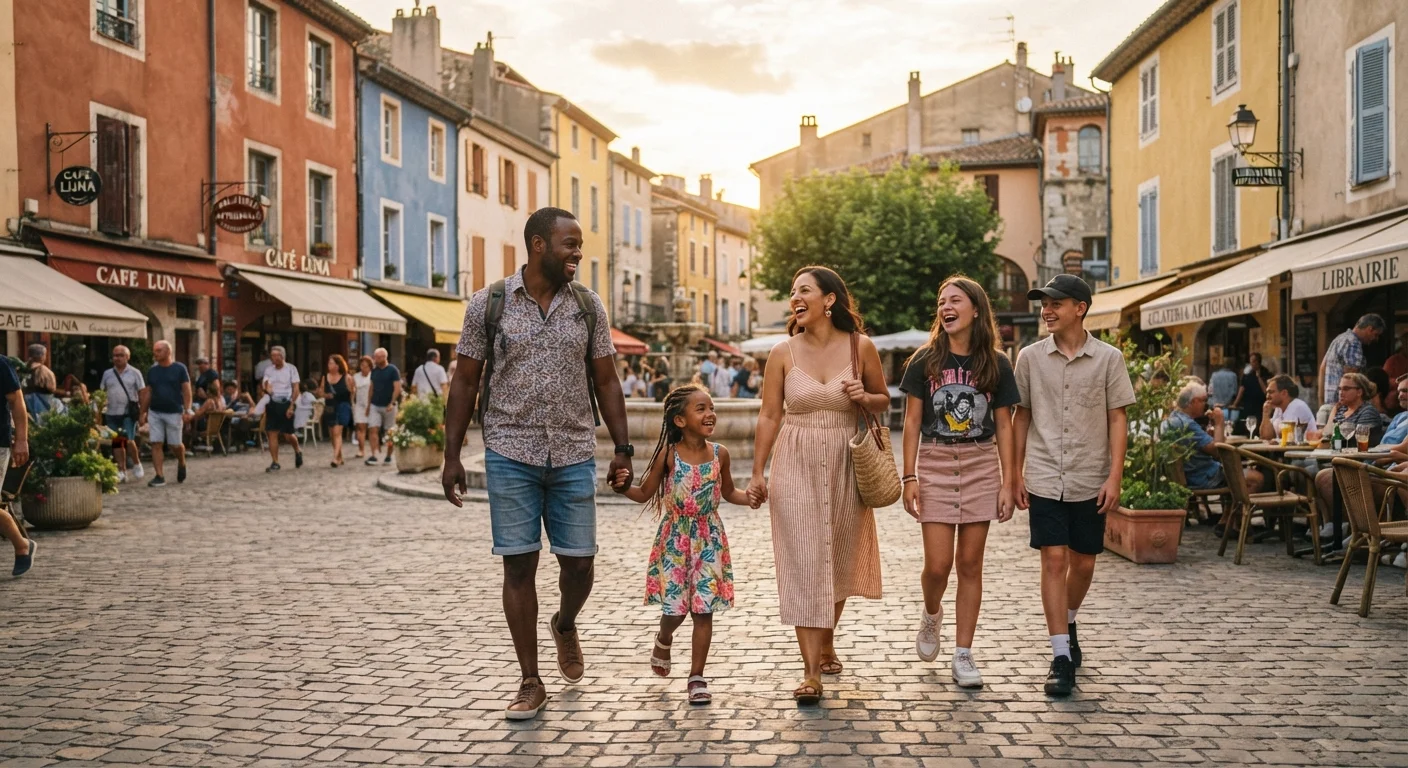
Type "kid-friendly destination" into any search engine and you'll surface thousands of results - most written to sell something rather than genuinely help you plan. The phrase has been so thoroughly claimed by travel marketing that it's nearly meaningless on its own. A resort with a waterslide is "kid-friendly." So, technically, is a medieval hilltop village where your stroller won't make it past the first cobblestone alley.
The more useful question isn't is this place kid-friendly? - it's what specifically makes a destination work for children at my kids' ages? That reframe puts the real planning factors front and center: infrastructure, pacing, safety access, sensory environment, and genuine engagement for the ages in your group. For a deeper dive into the full range of family travel variables, our Complete Guide to Travelling with Children of Different Ages is a thorough starting point.
72%
Families cite destination logistics as top planning stress
A survey by the US Travel Association found that logistical complexity - not cost - was the leading stress factor for families planning trips with young children.
3-4 hrs
Typical active engagement window for children under 7
Child development research broadly indicates that children under age seven sustain focused engagement for roughly three to four hours before requiring significant downtime, regardless of how exciting the activity.
The Four Factors That Actually Matter
1. Mobility and Terrain
How a destination moves families around is foundational. Steep stairs, uneven surfaces, and long gaps between attractions are manageable for a ten-year-old and exhausting for a three-year-old. Before booking, research whether the core sightseeing areas are walkable and relatively flat, whether public transit accommodates strollers, and how far your lodging sits from the things you want to do. Shorter travel distances between activities preserve the energy reserves children burn faster than adults expect.
2. Sensory Load
Crowds, heat, noise, and long lines hit younger children disproportionately hard. A city that feels thrilling to adults can feel genuinely overwhelming to a five-year-old by noon. Look for destinations that have a natural off-season rhythm, wide open spaces mixed with attractions, or strong cafe and rest-stop culture - places where slowing down is built into the environment rather than something you have to fight for.
3. Medical and Safety Access
This is non-negotiable. Confirm that a hospital with pediatric care or at minimum an urgent care clinic is within a reasonable distance of your accommodation. Know the local emergency number. Pack a first-aid kit tailored to your children's needs. Our article on keeping kids safe in unfamiliar places covers practical safety systems families can set up before and during travel. Always verify entry requirements, health advisories, and any vaccination recommendations with official government sources before your trip - these change.
4. Age-Appropriate Engagement
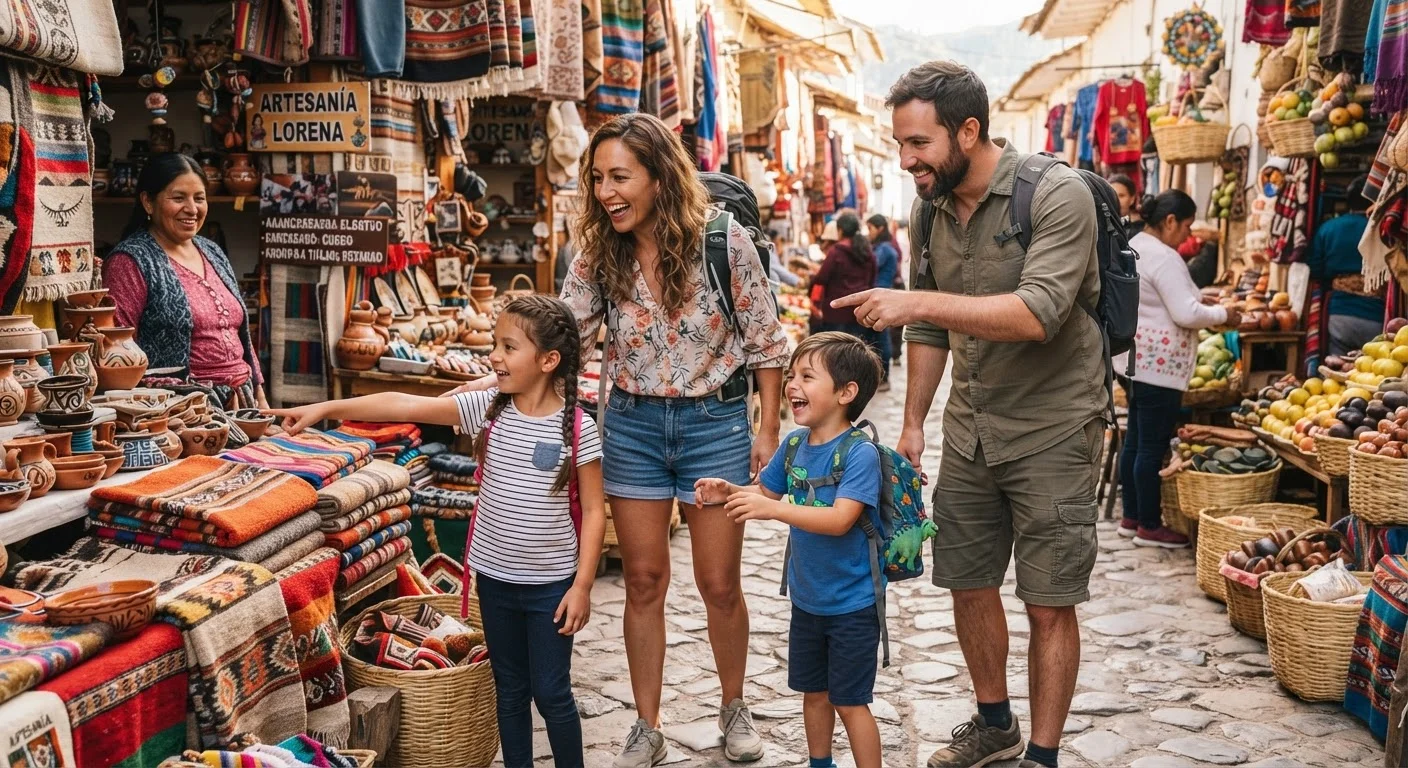
Genuine kid-friendliness means children have things to do that are interesting to them - not just tolerable for adults. This doesn't require theme parks. Natural environments, hands-on museums, markets, beaches, and wildlife encounters often engage children more deeply than manufactured attractions. Activities that teach kids about the places they visit can turn almost any destination into a meaningful experience.
Use Google Street View Before You Book
Before committing to any destination or accommodation, drop into Street View to check the terrain between your hotel and key attractions. You can spot cobblestones, stairways, narrow sidewalks, and distance gaps that photos never reveal. It takes five minutes and can save hours of frustration once you're on the ground with tired kids.
Matching Destination Type to Your Kids' Ages
Your youngest child effectively sets the ceiling for what's logistically feasible. Here's a rough framework:
- Infants and toddlers (0-3): Prioritize proximity to your accommodation, reliable shade and cooling, nap-schedule flexibility, and easy access to pharmacies and pediatric care. Slow destinations with low sensory intensity work best.
- Young children (4-7): Nature-heavy destinations, beach towns, and cities with interactive museums shine here. Pacing is still critical - plan for one big activity per half-day maximum.
- Older kids (8-12): Can handle more complexity, longer walking days, and richer cultural immersion. Start involving them in the planning process to build investment in the trip.
- Mixed-age groups: Choose destinations with layered options - something compelling at each level. National parks, coastal regions, and mid-sized cities with diverse neighborhoods often fit this profile well.
Once you've found a destination that fits, the next step is building an itinerary that serves everyone. Our guide on building a family itinerary that works for kids and adults walks through exactly that.