
Why Passive Sightseeing Rarely Sticks
There's a familiar scene at many famous landmarks: kids shuffling behind adults, glazed eyes scanning stone walls and information plaques, already negotiating for screen time. The monument is technically impressive, but without context or personal investment, it's just a big old thing. The good news is that turning passive tourism into active learning doesn't require a structured curriculum or expensive tours - it just requires a little intentional planning.
Research in educational psychology consistently suggests that children retain information far better when they participate rather than observe. That principle applies just as powerfully on the road. Whether you're visiting a coastal fishing village or a bustling capital city, the activities below give kids a genuine stake in the places they visit - and create the kind of travel memories that last well beyond the trip photo album.
For ideas on structuring the overall trip around these activities, see our guide on building a family itinerary kids and adults both enjoy.
Pre-Trip Research Assignments by Age
Before you leave home, give each child a low-stakes research task matched to their age. A seven-year-old might draw the flag and find three fun facts about the country. A twelve-year-old could map the neighborhood you're staying in and identify one local food they want to try. This simple step transforms kids from passengers into participants - they arrive with curiosity already primed. Tie the research to something they'll actually experience on the trip so payoff is guaranteed.
Kids who research a destination before arrival consistently engage more deeply once they're there.
Travel Journals With Specific Prompts
A blank journal can feel intimidating. Instead, seed each day with one specific prompt: "Sketch something you saw today that doesn't exist at home" or "Write three words a local person taught you." Specific prompts keep younger kids from staring at empty pages and push older kids beyond surface-level impressions. Journals double as souvenirs that kids actually made - and re-reading them months later tends to unlock memories that photos don't capture.
Specific daily prompts turn a travel journal from a chore into a genuine memory-making tool.
Neighborhood-Based Scavenger Hunts
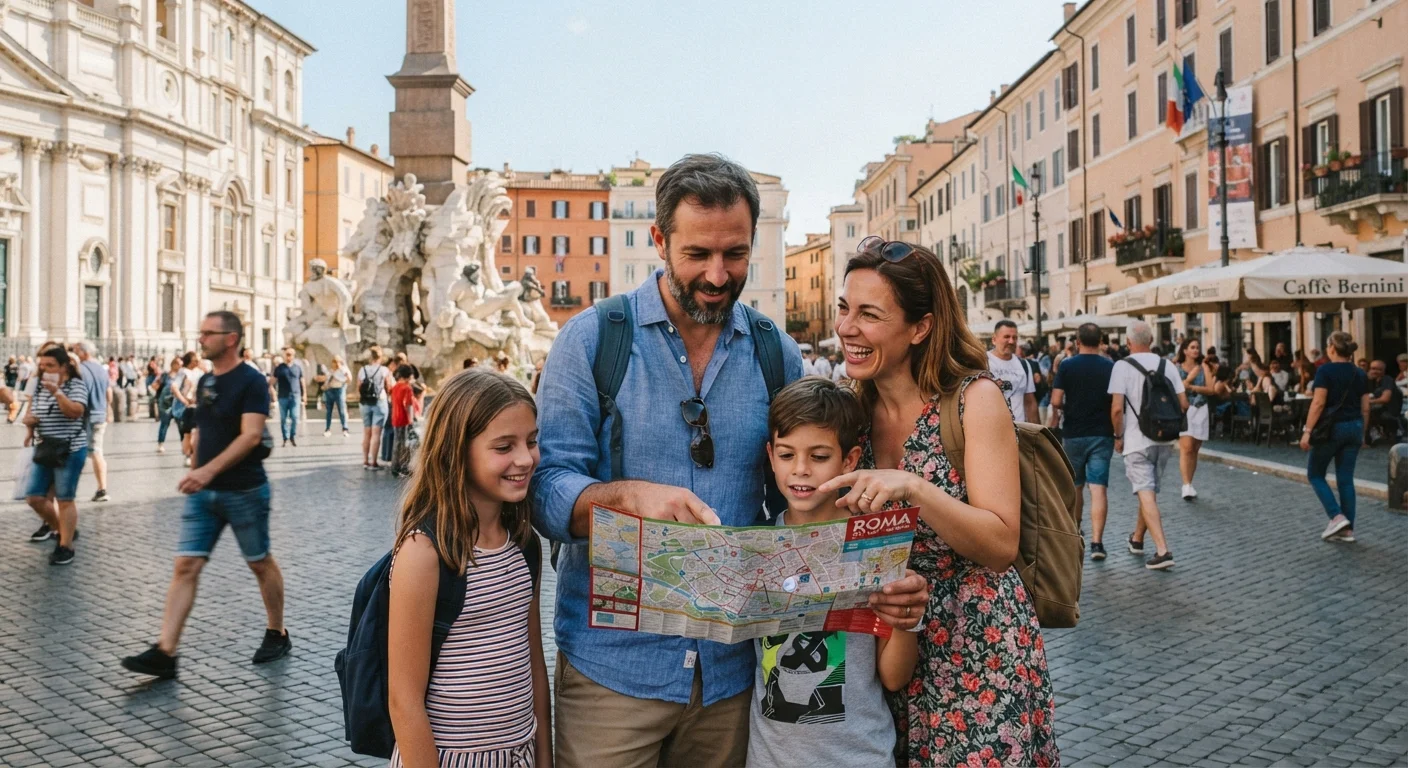
Design a scavenger hunt around the specific neighborhood you're exploring - not generic tourist items, but things that reveal local life: a shop sign in the local language, a street food you've never seen before, a building that looks older than your grandparents' house, evidence of a local craft or trade. Kids move through a place differently when they're looking for things, and the format naturally sparks questions. You can create these hunts yourself the night before using a quick map review and a little imagination.
A well-designed scavenger hunt makes children active observers of local life rather than passive tourists.
Hands-On Cooking or Craft Workshops
Learning to make a local dish or traditional craft connects kids to cultural heritage in a way that's tactile and memorable. Many destinations - from pasta-making in Italy to weaving workshops in Guatemala - offer family-friendly sessions. Look for classes run by local artisans or home cooks rather than large tourist operations; the experience tends to be more authentic and often less expensive. Even if the finished dumpling looks questionable, kids carry the skill - and the story - home with them.
Making something with local hands is cultural education that no museum exhibit can replicate.
Visiting Local Markets With a Buying Mission
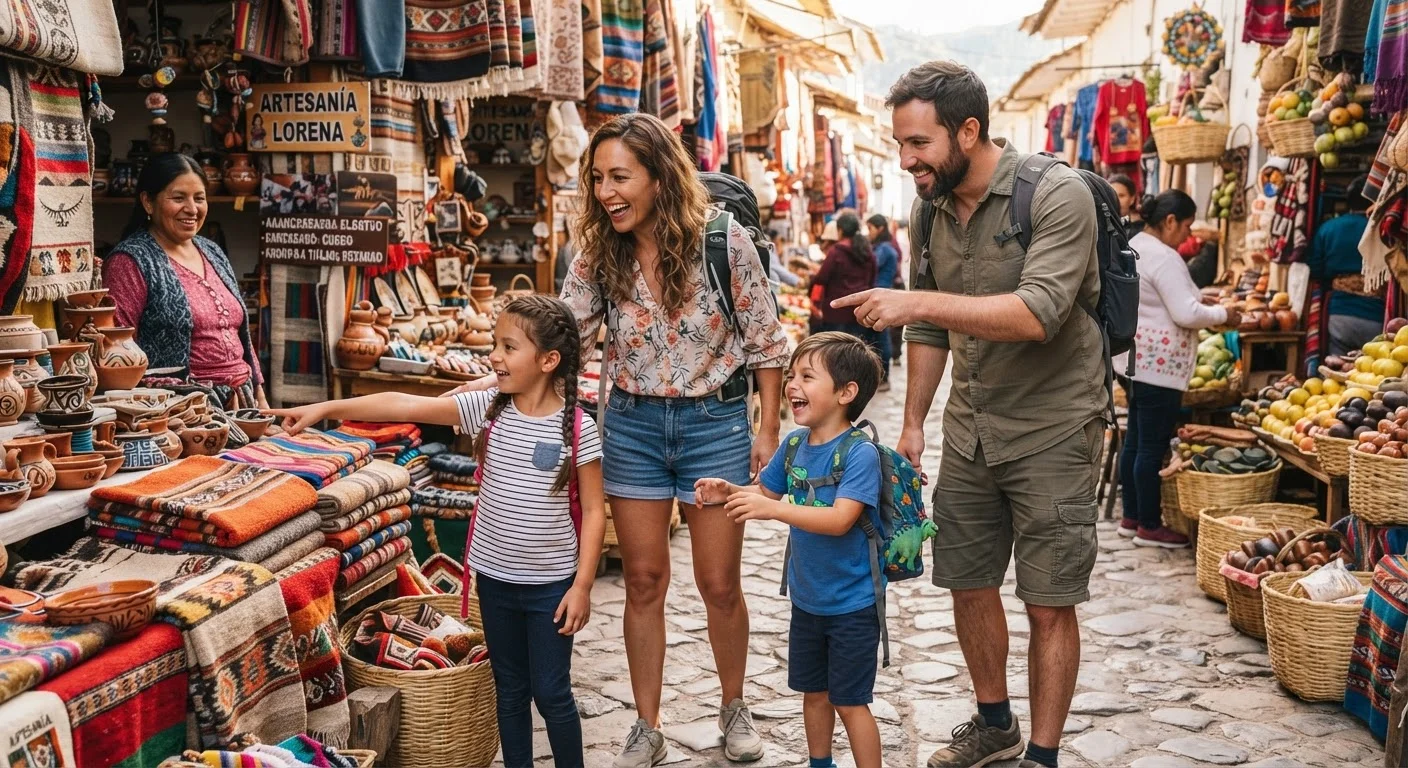
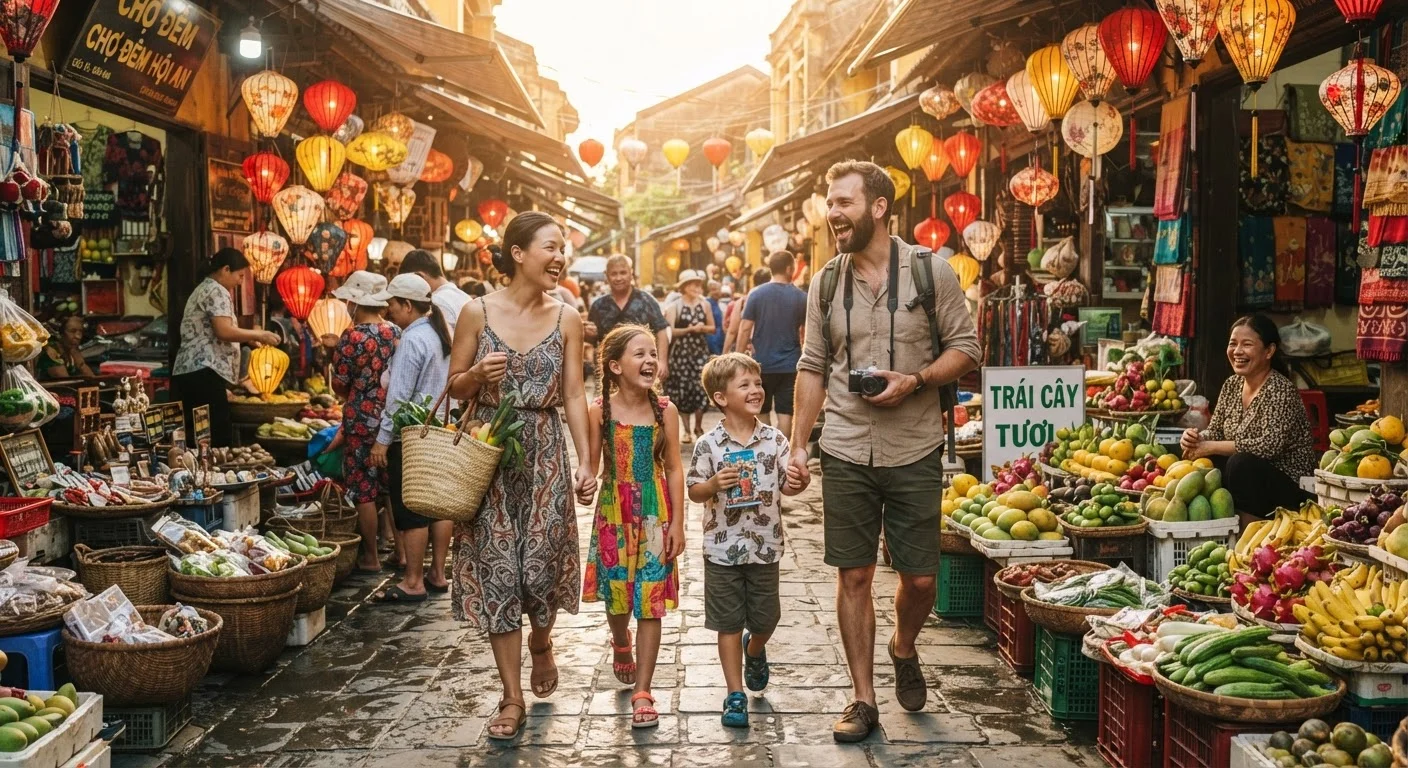
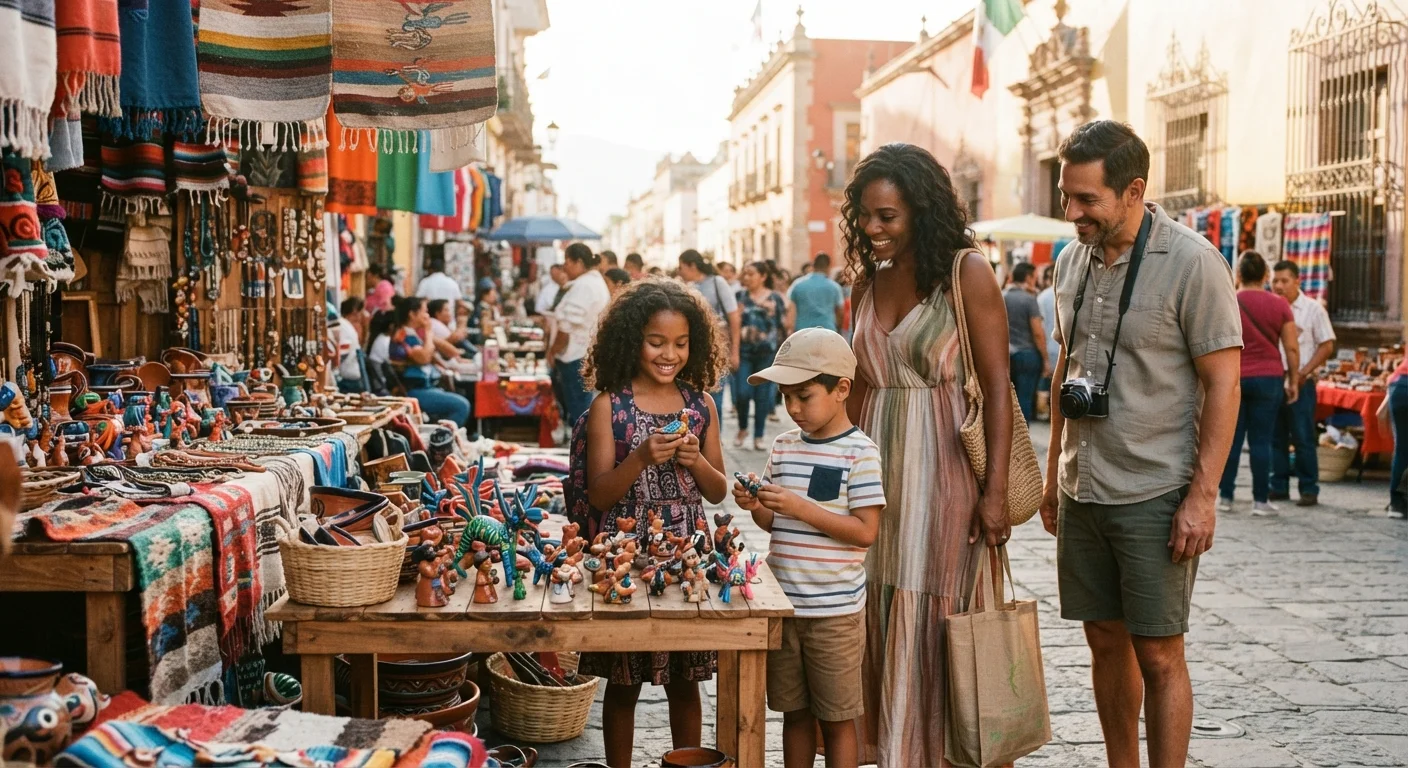
Give each child a small, defined budget and a mission at a local market: find one ingredient for tonight's meal, or choose a small handmade item to bring home for a relative. The buying mission introduces concepts like local currency, bargaining customs, and food geography without any lecture required. It also gives kids a reason to interact with vendors - brief, respectful exchanges that often become the most vivid memories of a trip. Always brief children on local customs around haggling and interaction beforehand.
A small budget and a clear mission turns a market visit into a rich lesson in local economics and culture.
Attending Free Public Events and Ceremonies
Local festivals, outdoor concerts, religious processions, and community celebrations are among the most immersive windows into a culture - and they're typically free to observe respectfully. Before attending, give kids brief context: what is being celebrated, why it matters to the community, how observers are expected to behave. This preparation transforms a colorful spectacle into a meaningful cultural moment. Always check local guidance on photography and participation to ensure your family's presence is respectful rather than intrusive.
Free public events offer unscripted cultural immersion that carefully curated tours rarely match.
Guided Conversations With Local Residents
This one takes a bit of courage but pays enormous dividends. Encourage older children and teens to ask simple, respectful questions of local guides, guesthouse hosts, or market vendors: "What's your favorite thing about living here?" or "What do kids here do after school?" These conversations humanize a destination in ways that plaques and audio guides simply can't. Model the interaction yourself first, and frame it for kids as genuine curiosity rather than an interview. For safety considerations around engaging with strangers abroad, see our guide to keeping kids safe in unfamiliar places.
A single honest conversation with a local resident can reframe an entire destination for a curious child.
Making It Happen Without Blowing the Budget
The best news about truly educational travel activities? Many of the most effective ones cost very little. Wandering a neighborhood market, watching a public festival, or sketching in a plaza can teach kids as much as any ticketed attraction - sometimes more, because the interactions feel unscripted and real.
Let Kids Lead One Activity Per Day
Build one slot into each day where a child picks the activity - even if it's just choosing which street to walk down or which café to sit at. This small autonomy increases buy-in for the more structured educational activities and reminds kids that travel is something they're doing, not something being done to them. It also tends to produce the most surprising discoveries of the trip.
For a deeper look at free and low-cost options that genuinely deliver, our free and low-cost activities guide breaks down the activity categories that consistently work across destinations. And if you're weighing how a destination suits your children's specific ages in the first place, what "kid-friendly" actually means is worth a read before you book. The goal is simple: kids who arrive home buzzing about what they learned - not just what they ate at the hotel buffet.