
The Problem With 'Kid-Friendly' as a Label
Scroll through any travel site and you'll find the phrase plastered everywhere: kid-friendly resorts, kid-friendly cities, kid-friendly tours. It sounds reassuring. It rarely tells you anything useful. The label is marketing shorthand - it means the destination has something for children, not that it actually fits your children's needs.
A beach resort with a kids' club qualifies as kid-friendly. So does a city with a single children's museum. So does a country that happens to allow strollers on its metro system. The word covers everything and therefore communicates almost nothing to a parent trying to make a real decision.
What actually matters is a set of specific, practical factors - and they shift depending on the ages of your kids, your family's travel style, and what you're hoping the trip will deliver. Once you know what to look for, you stop relying on the label entirely.
A Note on Official Travel Information
Entry requirements, health recommendations, and safety advisories change. Always verify current conditions through your government's official travel advisory service and consult qualified professionals for health and legal guidance specific to your destination. No travel article - including this one - substitutes for official, up-to-date sources.
Age Is the Most Important Filter
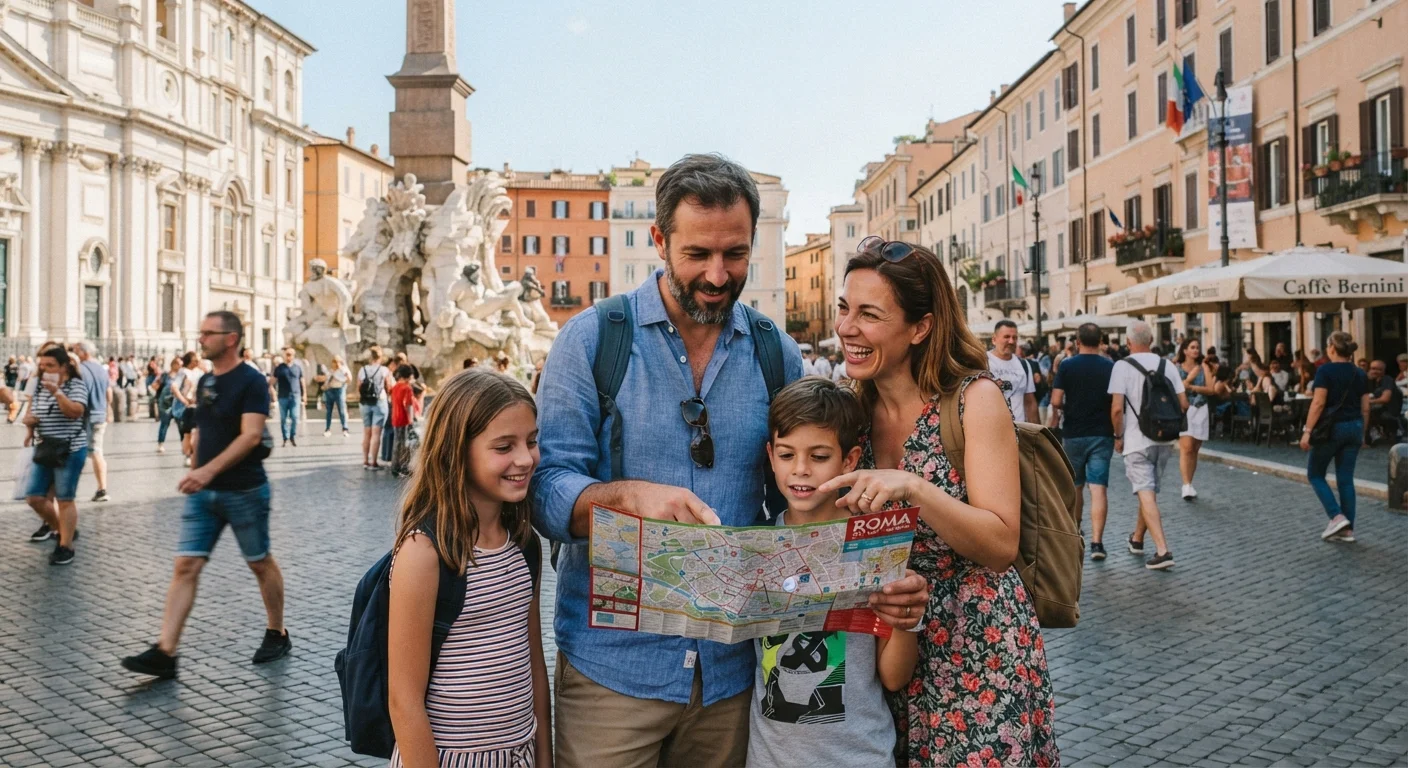
No factor reshapes a destination's suitability more than the ages of your children. A cobblestoned medieval town can be magical for a curious eight-year-old and a logistical nightmare for a parent pushing a stroller. A long-haul flight that a twelve-year-old handles with earbuds and a tablet can unravel a two-year-old completely. Our guide on why kids handle long trips better than parents expect explores some of the myths around this, but the core truth remains: match the destination's demands to your child's current developmental stage.
- Infants and toddlers (0-3): Prioritize short travel legs, flexible itineraries, easy access to medical care, and environments where disrupted nap schedules won't derail every outing.
- Young children (4-8): This is the sweet spot for experiential travel. They're old enough to remember and engage but still portable. Look for destinations with a mix of outdoor activity and sensory novelty.
- Tweens and teens (9-17): Boredom is the real enemy. Destinations with genuine cultural depth, adventure options, or social opportunities perform better than purely scenic or relaxation-focused spots.
72%
Families citing logistics as a top trip stress factor
According to general family travel research compiled by travel industry analysts, the majority of families report that destination logistics - not cost or activities - are the leading source of trip stress.
3-4 hrs
Recommended maximum daily structured activity for under-8s
Child development guidance consistently suggests that young children benefit from significant unstructured time during travel days; over-programming is a leading cause of family travel meltdowns.
Infrastructure Matters More Than Attractions
Parents often focus on what there is to do at a destination. The more seasoned move is to evaluate what the destination is like to navigate with children. Consider these underrated factors:
- Walkability and terrain
- Flat, pedestrian-friendly streets with wide sidewalks dramatically reduce daily friction. Hills, uneven surfaces, and heavy traffic add up fast with young kids.
- Medical infrastructure
- Knowing there's a reliable hospital or clinic nearby isn't pessimistic - it's responsible. This is especially relevant internationally. Check your government's official travel health advisories before departure and always consult a qualified travel health professional regarding vaccinations and health precautions.
- Food accessibility
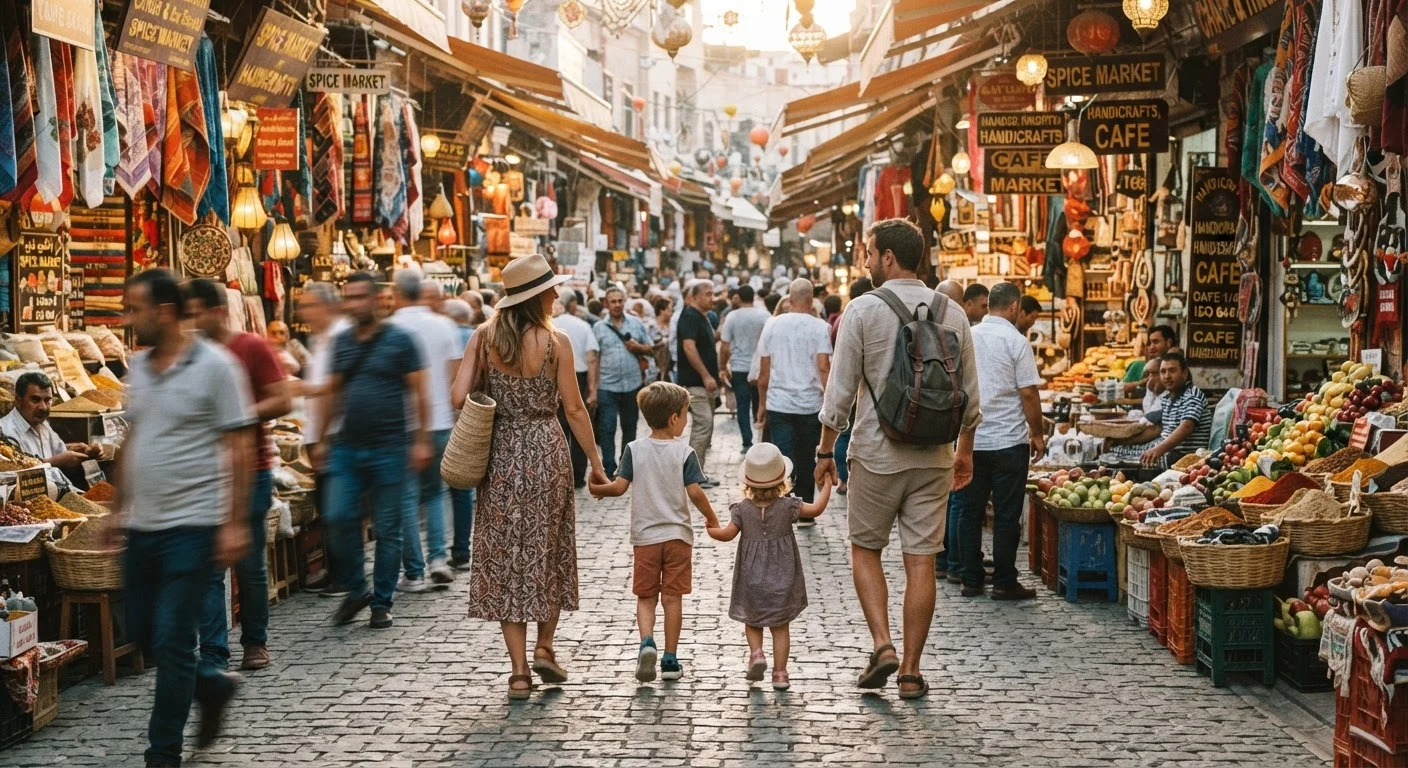
- For picky eaters or children with allergies, a destination's food landscape matters enormously. Markets, supermarkets, and cuisines with diverse, mild options provide fallback options when the restaurant isn't working.
- Pacing flexibility
- Destinations that don't lock you into rigid schedules - where a slow morning or a spontaneous rest is possible - tend to produce far better family trips. See our guide to building itineraries that work for everyone for a practical framework.
What Genuine Engagement Looks Like
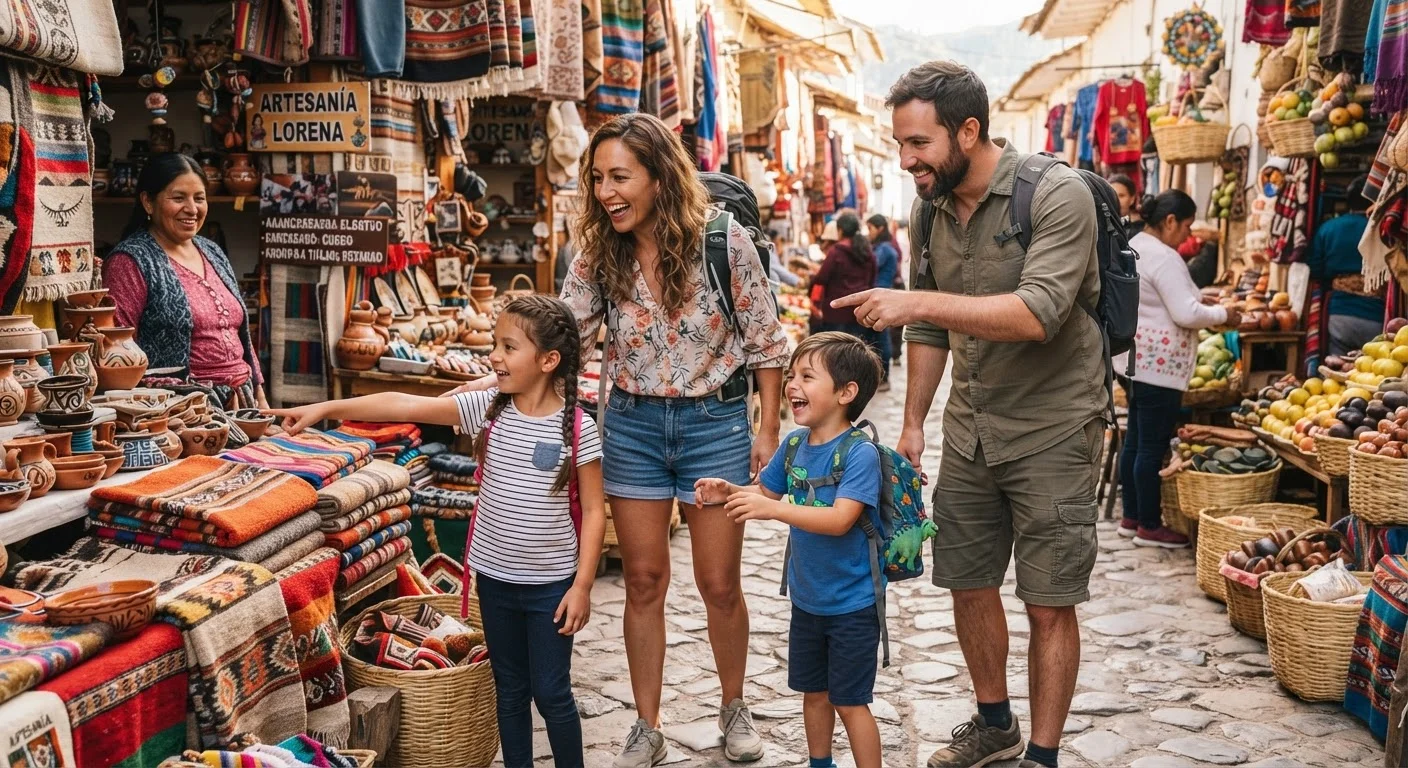
The best family destinations offer children something to actually connect with - not just a pool to splash in while parents scroll their phones. Genuine engagement looks like a city's history coming alive through interactive museum exhibits, a coastline where kids can observe tide pools, or a market where they can practise bargaining with their own spending money.
Activities that teach kids about the places they visit transform a trip from a vacation into something children actually remember and talk about years later. When evaluating destinations, ask: is there something here that a child this age can meaningfully participate in - not just observe?
For families on a budget, this framing is also liberating. Many of the most engaging destinations for kids are not the most expensive. State and national parks, free museum days, public markets, and local festivals often outperform overpriced theme parks in terms of genuine family connection. Explore our budget family trips hub for destination ideas that deliver on both value and experience.
Ask a Better Question Before You Book
Instead of searching 'kid-friendly destinations,' try asking: 'What does a typical day look like here with a [your child's age]-year-old?' Travel forums, family travel blogs, and destination tourism boards often have specific insights that generic rankings never surface. The more specific your question, the more useful the answer.