
Why These Myths Have Such Staying Power
Cruise marketing has historically targeted luxury and aspirational demographics, and that messaging stuck. Decades of advertising featuring champagne toasts, tuxedoed captains, and sprawling penthouse suites planted a durable image in the public consciousness: cruising is an indulgence for the wealthy. The reality of the modern cruise industry, which includes massive vessels carrying thousands of passengers across a wide range of price points, has largely failed to displace that image in popular thinking.
Budget travelers who have already challenged myths about lodging costs - as explored in our piece on affordable lodging myths - often apply the same scrutiny to hotel stays but not to cruises. That gap in critical thinking leaves real value on the table.
Below, we unpack the most common cruise misconceptions and replace them with what the evidence actually shows.
Myth
Cruises are fundamentally expensive - you need a significant budget just to get on board.
Fact
Interior cabin fares on major itineraries frequently fall in the same range as mid-tier hotel stays when meals are accounted for, and promotional sailings can undercut land-based equivalents.
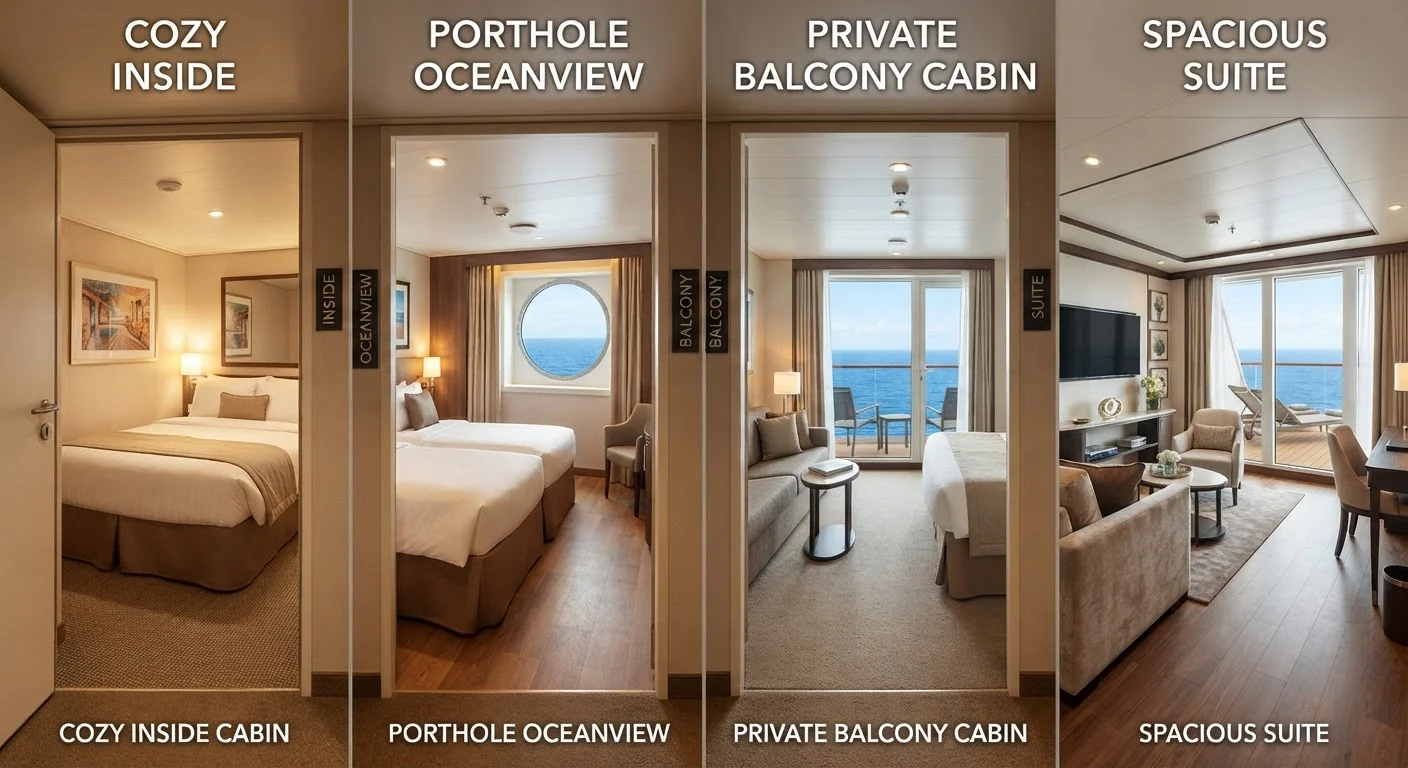
The sticker shock of a cruise fare tends to disappear when travelers perform an apples-to-apples comparison. A base cruise fare typically bundles accommodation, most meals, and onboard entertainment - costs that stack up quickly when booked separately on a land trip. A four-night sailing priced at $400 per person includes three meals a day and a cabin; replicating that on land with mid-range hotels and restaurant dining often costs more. Entry-level interior cabins - windowless but serviceable - bring fares down further and routinely appear in repositioning sailings and shoulder-season departures.
Myth
Cruises are designed for retirees and older travelers - younger or solo travelers won't find them enjoyable.
Fact
The passenger demographic on major cruise lines has shifted considerably, with a broad age range now common, and purpose-built solo cabins have expanded on multiple vessels.
Passenger age demographics vary significantly by itinerary and cruise line. River cruises and expedition-style voyages do skew older, while large resort-style ships catering to entertainment and nightlife attract a mixed-age crowd. Solo travel on cruises has historically been penalized by the single supplement - a surcharge that could add 50-100% to a fare. However, several lines have introduced dedicated solo cabins priced without the supplement, a direct response to documented demand from solo travelers. The experience varies widely by product, so researching the specific vessel's passenger profile matters more than assuming a uniform demographic.
Myth
Everything is included in the cruise fare - there are no surprise charges.
Fact
Base fares typically exclude gratuities, alcoholic beverages, specialty dining, Wi-Fi, and most shore excursions, which can add meaningfully to the total cost.
This is the myth that causes the most genuine financial frustration. Mandatory or strongly encouraged daily gratuity charges - commonly ranging from roughly $15 to $20 per person per day depending on the line and cabin category - are often not displayed prominently at the booking stage. Beverage packages, particularly alcohol bundles, can run $60-$100 per person per day. Specialty restaurants charge a la carte or fixed cover fees on top of the inclusive dining. Travelers who budget only the base fare and don't anticipate these line items routinely overspend. The solution is reading the full fee schedule before booking, not after.
Myth
You have to book cruise-line shore excursions to safely see the ports.
Fact
Independent tours, taxis, and self-guided exploration are viable at most popular ports, often at significantly lower cost, though cruise-line excursions do carry re-boarding guarantees.
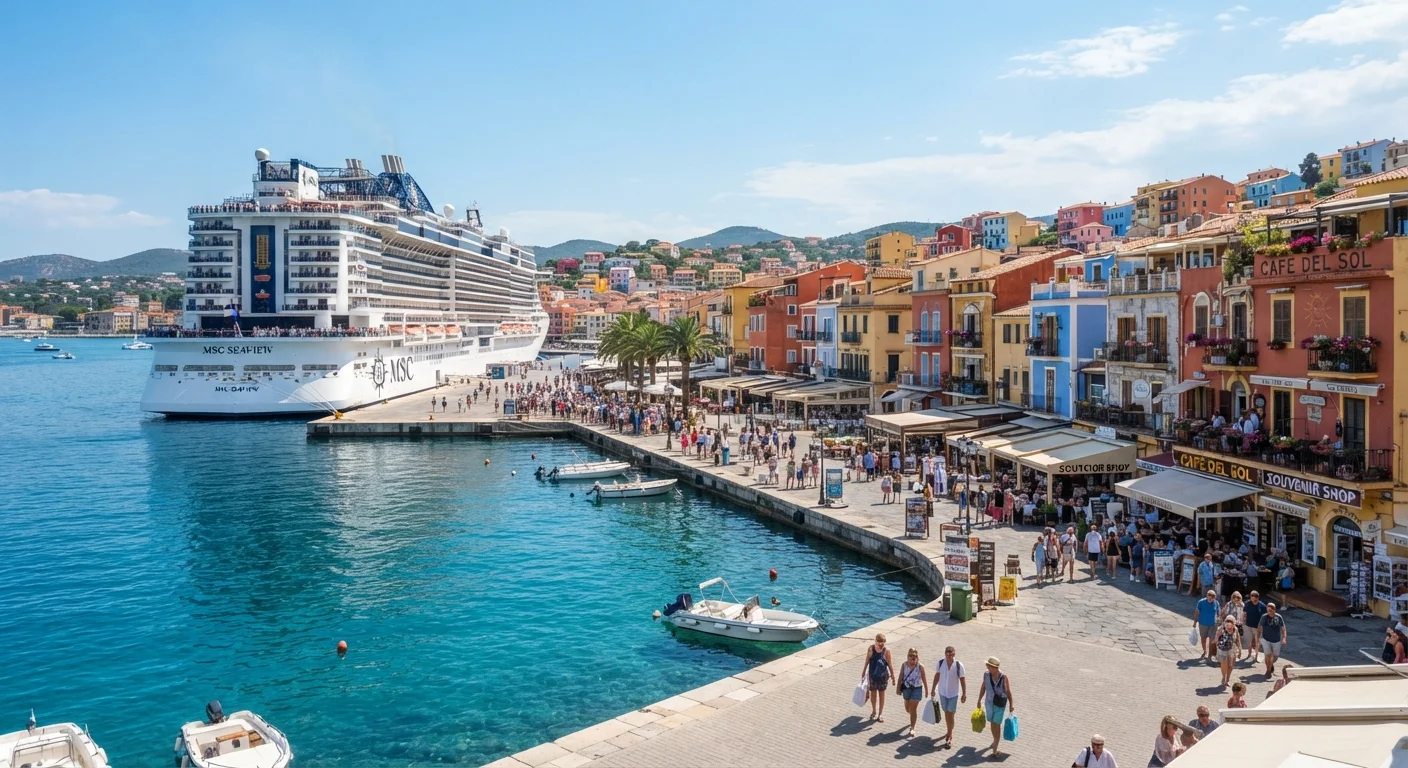
Cruise-line excursions carry one genuine advantage: if the tour runs late, the ship waits. That re-boarding guarantee has real value at complex or congested ports. However, at the vast majority of Caribbean, Mediterranean, and Alaskan ports, independent operators offer guided tours, rental vehicles, and structured experiences at prices that can run 30-50% below the cruise-line equivalent. Travelers comfortable with logistics - confirming return times, using reputable independent operators, and building in time buffers - can direct that savings elsewhere. Our excursions and add-ons hub covers how to evaluate the trade-off port by port.
Myth
Booking a cruise early always gets you the best fare.
Fact
Cruise pricing is dynamic; early-booking rates, last-minute unsold inventory, and repositioning sailings each offer distinct discount windows that depend on the itinerary and season.
Cruise lines use yield management systems similar to airlines, adjusting prices based on demand, remaining inventory, and proximity to departure. Early-booking promotions do exist and can lock in perks like onboard credits or cabin upgrades. But last-minute fares on under-booked sailings can also undercut early prices substantially - particularly for flexible travelers without fixed itinerary preferences. Repositioning cruises, which move ships between seasonal markets (such as transatlantic crossings in spring or fall), often carry lower fares by design because demand for the routing itself is lower. Neither strategy is universally superior; the right approach depends on travel flexibility and itinerary priorities.
What to Watch For: Real Costs and Smart Planning
Separating myth from reality doesn't mean cruising is without genuine financial traps. Gratuities, specialty dining, premium beverage packages, and spa services can meaningfully inflate a base fare if left unexamined. The discipline is in reading the full pricing picture before booking rather than after. Scrutinize what the base fare includes on each line, calculate expected daily gratuity charges, and decide honestly whether an alcohol or dining package offers value for your travel style.
Gratuities and Fees Add Up Quickly
Daily service charges, sometimes labeled 'gratuities' or 'hotel service fees,' are added to your onboard account on most major lines. On a 7-night sailing for two people, these charges can total $200-$280 or more depending on the line and cabin category. Calculate this figure before comparing a cruise fare to a land-based trip - it belongs in your true total cost, not as an afterthought at checkout.
Shore excursions are one of the most consequential budget decisions a cruiser makes. Cruise-line-sold tours carry a convenience premium; independent operators at the same ports frequently offer equivalent or superior experiences at lower prices. Our editorial hub on excursions and add-ons walks through the trade-offs in detail.
Travel myths affect more than just cruise decisions. If you're comparing vacation types, see how similar misconceptions affect family travel spending and travel money management to build a complete picture of where budgets actually leak.
This article is for general informational purposes only. Fares, fees, and policies vary by cruise line, itinerary, and booking date. Always verify current pricing and terms directly with providers before making travel commitments.