
What Counts as a Red-Eye Flight
A red-eye flight departs late at night - typically between 9 p.m. and 1 a.m. - and arrives at the destination in the early morning hours. The name comes from the bloodshot eyes passengers often sport after a night without proper rest. They're most common on transcontinental US routes (think New York to Los Angeles) and on transatlantic crossings, where overnight travel makes geographic sense.
Understanding what you're actually signing up for matters more than it seems. A 6-hour overnight flight from the East Coast to the West Coast isn't the same experience as a 10-hour transatlantic red-eye - the fatigue math compounds with duration. For budget travelers weighing the savings, the details of departure time, flight length, and arrival schedule all shape the real-world value of the trade-off.
Red-Eye vs. Early Morning Departure
A red-eye (departing 9 p.m.-1 a.m.) is distinct from an early morning flight (departing 5-7 a.m.). Early morning flights share some of the same on-time performance benefits and lower fares, but allow you to sleep in a bed the night before. For travelers who struggle with in-flight sleep, an early morning departure is often a better middle ground worth pricing out before defaulting to a red-eye.
The Case For Booking a Red-Eye
The financial argument is the most cited: overnight flights frequently carry lower base fares than morning or afternoon departures on the same route. That's partly a demand issue - most travelers prefer daytime flying, so airlines price accordingly. If fare flexibility is part of your strategy, see how experienced travelers approach airfare reduction for related techniques.
Lower fares due to reduced overnight demand
Overnight departures consistently attract less demand than daytime slots, which often translates to lower base fares. The gap varies by route and season, but it's a real pattern on high-traffic domestic and transatlantic corridors.
Preserves a full day at your destination
An early morning arrival means you can check bags at the hotel, explore, and log a near-complete day of activities - a meaningful advantage on short trips where every hour has value.
Fewer delays and less air traffic congestion
Late-night departures sit outside the busiest air traffic windows, making on-time performance generally stronger. They're also less likely to inherit delays from earlier flights on the same aircraft.
Effectively replaces a night in a hotel
Sleeping on the plane - even imperfectly - means you're not paying for an extra hotel night. On longer routes, this can offset a significant portion of the accommodation cost.
Quieter, less crowded flights
Overnight flights typically carry fewer passengers than peak daytime departures, which can mean more overhead bin space, shorter cabin service queues, and a calmer overall environment.
Beyond cost, the scheduling logic is compelling. A red-eye that lands at 6 a.m. effectively gives you a full travel day without sacrificing a night at your destination. For short trips where every hour counts, that arrival time is genuinely valuable. Red-eyes also tend to have more reliable on-time performance - overnight flights face less air traffic congestion and are less likely to absorb cascading delays from earlier in the day.
The Real Downsides Frequent Flyers Understate
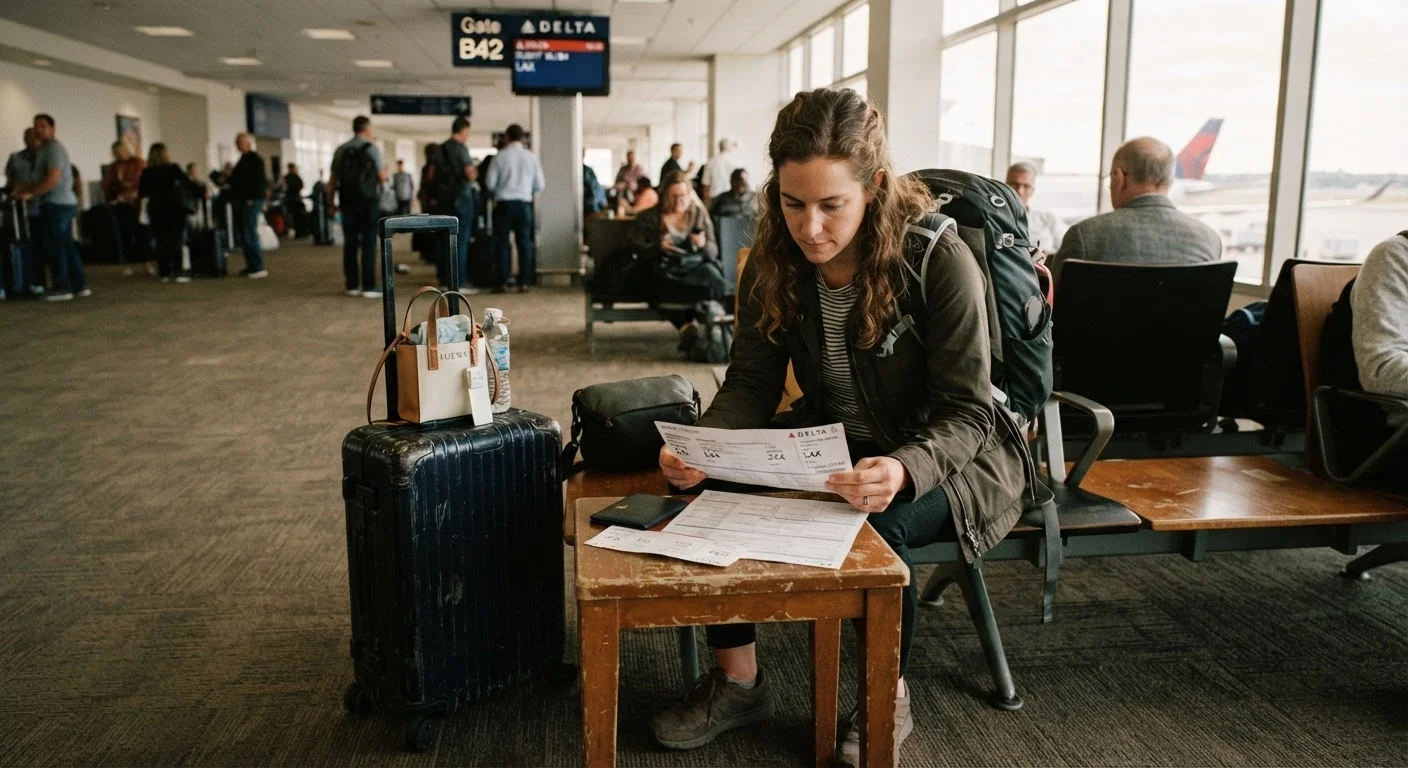
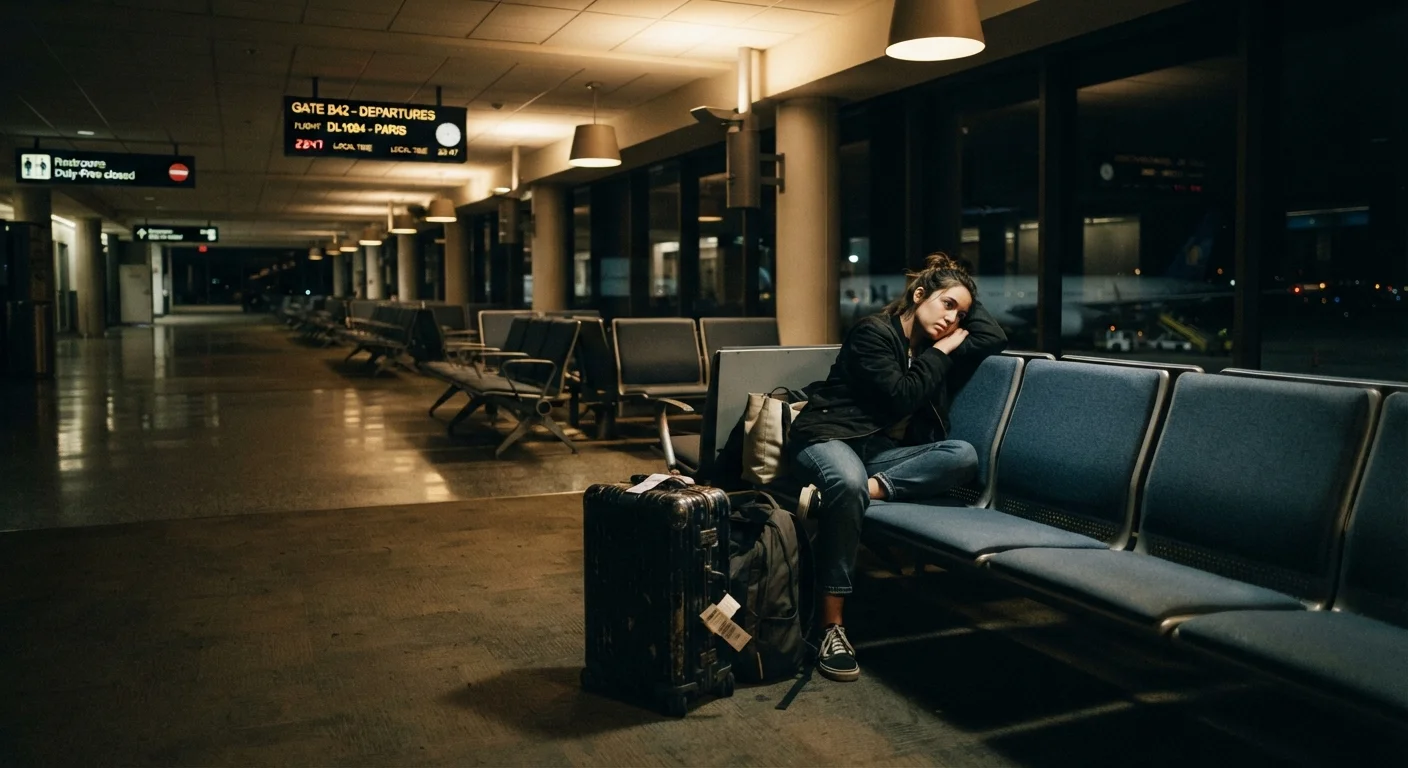
The fatigue factor is where honest accounting matters. Most economy passengers don't sleep well upright, and arriving exhausted at 6 a.m. with hours to kill before hotel check-in cancels out the daylight advantage. This problem compounds when children are involved - family travelers face a specific set of logistics considerations that red-eyes tend to make harder, not easier.
Sleep quality on planes is genuinely poor for most
Economy seating is not designed for restorative sleep. Noise, limited recline, cabin pressure changes, and turbulence mean most travelers arrive with fragmented sleep at best, regardless of how tired they board.
Hotel check-in gap creates hours of limbo
A 6 a.m. arrival typically precedes standard check-in by nine or more hours. Navigating a new city exhausted with luggage is a friction point that negates part of the daylight advantage.
Fatigue increases error risk on arrival
Sleep deprivation impairs decision-making, navigation, and attention to detail. Missed transport connections, forgotten items, and booking mistakes become more likely when you're running on two hours of interrupted airplane sleep.
Difficult for families with young children
Young children rarely sleep on schedule in unfamiliar environments, and a tired child arriving before dawn creates a difficult first day for everyone in the travel group.
Fare savings aren't always significant
On some routes or booking windows, the overnight price advantage narrows to the point where it doesn't justify the fatigue trade-off. Always compare actual fares rather than assuming a red-eye is always cheaper.
~30%
Typical fare gap on busy red-eye routes
Industry pricing analyses suggest overnight departures on high-demand domestic routes can run roughly 20-30% lower than comparable daytime fares, though this varies significantly by route and season.
3 p.m.
Standard hotel check-in time
Most major hotel chains list 3 p.m. as standard check-in, meaning a 6 a.m. red-eye arrival creates a wait of up to nine hours before a room is guaranteed.
There are also logistical friction points that get glossed over. Standard hotel check-in runs around 3 p.m. - arriving at 6 a.m. means hours in limbo with your luggage. Airport lounges help if you have access, but most budget travelers don't. Red-eyes can also leave you more reliant on airport food options at odd hours, and the cognitive fog that follows poor sleep increases the chance of small but costly mistakes - missed connections, forgotten items, misbooking a transfer. For context on how layovers and connection planning intersect with these decisions, see the direct vs. connecting flight trade-off breakdown.
Who Should - and Shouldn't - Book a Red-Eye
The honest answer is that red-eyes reward a specific traveler profile. If you sleep easily on planes, travel solo or with another adult, have a flexible first morning, and the fare difference is substantial enough to justify the trade-off, overnight flying is a legitimate tool. Pairing a red-eye with a broader flight savings strategy can meaningfully lower the total cost of a trip.
If you're a light sleeper, traveling with young children, have a high-stakes meeting or event on arrival day, or the fare gap is modest - say, under $60 - the case weakens considerably. The same logic applies if you're connecting onto a budget carrier where delays or errors cost extra: budget airline add-ons can erode savings quickly, especially when you're operating on reduced sleep. Know your own travel patterns before treating a red-eye as automatically smart.