
Why Tour Type Matters Before You Compare Prices
When comparing guided tour packages, most travelers instinctively reach for the price tag first. That approach leads to frustration - two tours priced identically can deliver wildly different experiences depending on their underlying format. Before evaluating cost, it pays to understand what category of guided tour you're actually looking at.
Tour types aren't just marketing labels. They shape the pacing, the expertise your guide brings, what's physically included, and the degree of spontaneity you'll have. A cultural immersion tour and an adventure tour to the same destination can feel like entirely separate trips. If you're unfamiliar with how packages are structured more broadly, our guide to tour package terminology is a useful starting point before diving into format comparisons.
Below, we break down the main guided tour categories - what each one actually delivers, where hidden costs tend to appear, and what kind of traveler each style suits best.
Cultural Immersion Tours
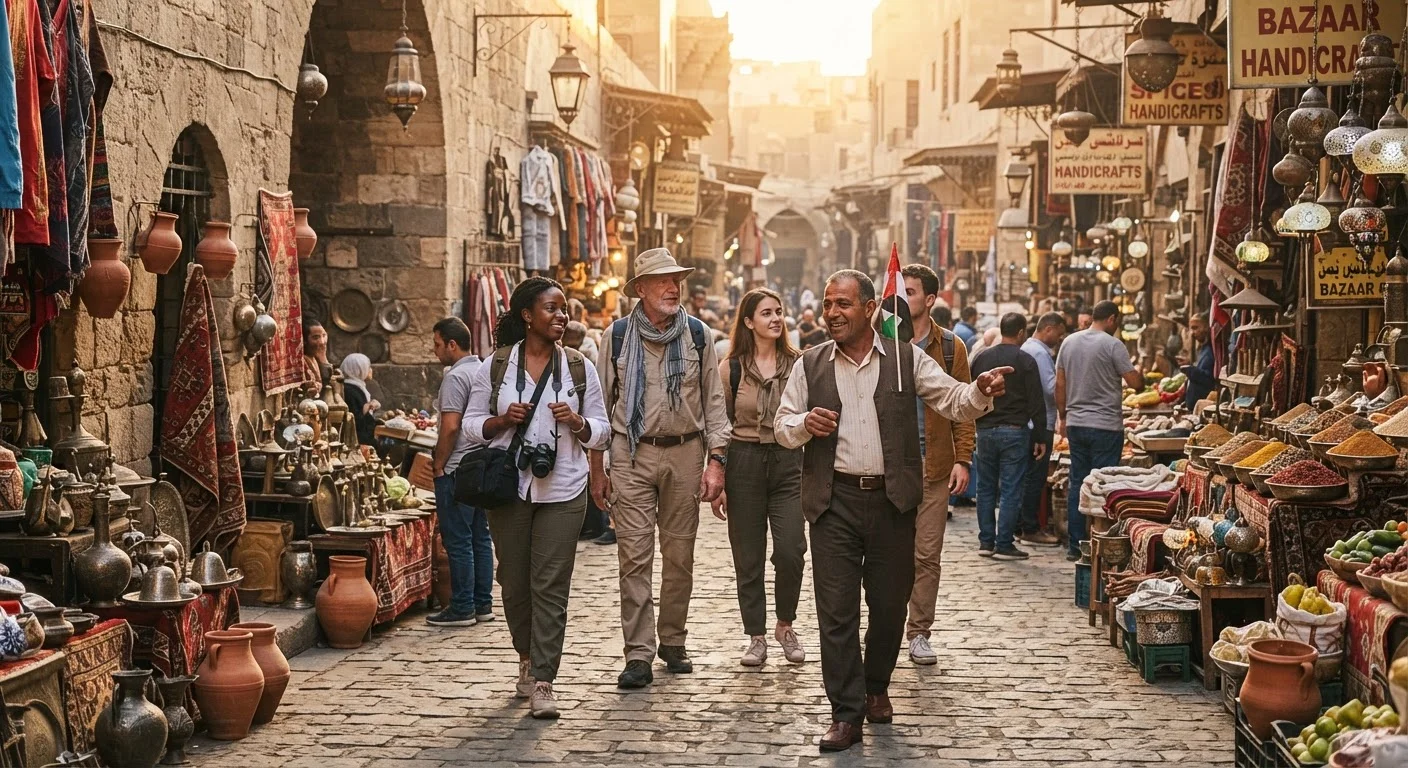
Cultural immersion tours are built around meaningful contact with a destination's history, traditions, and daily life. Itineraries typically include guided visits to archaeological sites, museums, and heritage neighborhoods, but the differentiator is structured access - private entry, expert-led interpretation, or community-hosted experiences that independent travelers rarely arrange on their own.
These tours tend to be well-suited to first-time visitors to a region and travelers who want context alongside sightseeing. Pricing is usually all-in for transportation, accommodation, and admission fees, which makes budgeting more predictable. Watch for optional upgrades - premium dining or specialized workshops - that can add up quickly if they're not in the base price.
Structured access to sites and communities is where cultural tours justify their cost over DIY travel.
Adventure Tours
Adventure tours center on physical activity - trekking, rafting, cycling, mountaineering - often in remote or wilderness settings. The guide's role shifts from interpreter to safety leader and logistics manager, which matters considerably when terrain or conditions introduce real risk.
These tours frequently carry costs that don't appear in the headline price: mandatory gear rentals, national park entrance fees, required travel insurance tiers, and porter or pack animal fees on multi-day routes. Always request a full inclusions breakdown before comparing adventure tour prices across operators. Group size and guide-to-traveler ratio also affect both safety and experience quality in ways that cultural tours don't depend on as heavily.
Adventure tour headline prices often exclude gear, permits, and park fees - request a full inclusions list.
Culinary Tours
Culinary tours use food and drink as the primary lens for experiencing a place - market visits, cooking classes, regional tastings, farm-to-table experiences, and meals at establishments that specialize in local tradition rather than tourist traffic. They work particularly well in destinations where food culture is central to identity, such as parts of Southeast Asia, Southern Europe, and Latin America.
Value proposition is generally strong: a quality culinary tour bundles transportation, guide expertise, and often multiple meals or tastings into a single price. The key variable is guide knowledge - a guide who understands regional food history and producer relationships delivers meaningfully more than one running a scripted restaurant circuit. Ask operators how guides are selected and trained before booking.
Culinary tours bundle transportation, expert access, and meals into a format that often delivers strong value.
Wildlife and Eco Tours
Wildlife and eco tours prioritize natural environments, animal observation, and conservation-oriented travel. Safari formats in East and Southern Africa are the most recognized version, but this category also includes marine wildlife tours, birding expeditions, and Amazon basin excursions.
Seasonality has a significant impact on what you'll actually see - the same tour in peak versus off-peak wildlife season can differ dramatically in sighting frequency and animal behavior. Responsible operators are transparent about realistic expectations and do not guarantee specific sightings. Look for affiliations with recognized conservation bodies and ask directly how a portion of tour revenue is channeled back to habitat protection or local communities.
Responsible wildlife operators set realistic expectations - seasonal timing affects sightings more than operator quality.
Pilgrimage and Spiritual Tours
Pilgrimage tours follow routes or destinations of religious and spiritual significance - the Camino de Santiago, Buddhist temple circuits in Japan, sacred sites across India and Nepal, or Holy Land itineraries. These tours serve both practicing pilgrims and secular travelers drawn to the history, architecture, and philosophical weight of these routes.
Itineraries are often more flexible in pacing than standard cultural tours, with accommodation ranging from monastery guesthouses to standard hotels depending on the operator's approach. Physical requirements vary widely - some pilgrimage routes involve multi-day walking, others are primarily coach-based. Clarify the physical demand level and daily structure with any operator before assuming the format matches your expectations.
Pilgrimage tours serve both practicing pilgrims and secular travelers - physical demands vary significantly by route.
Photography Tours
Photography tours are structured around access to compelling subjects at optimal times - dawn light at heritage sites, remote landscapes during golden hour, intimate community portraits with proper permission and context. A skilled photo tour guide combines location knowledge with an understanding of light, composition, and cultural protocol.
These tours typically run smaller groups than standard cultural or adventure formats, which increases per-person cost but improves access and instructor attention. Travelers should assess whether the guide's background is primarily photography instruction or location guiding - the strongest photo tours integrate both, while weaker versions are simply regular tours with a camera-friendly itinerary label attached.
The best photography tours integrate genuine instruction with location access - not just a camera-friendly label.
Matching Tour Style to Your Travel Goals
No single tour category is universally superior - the right format depends on what you want to take away from a trip. If your priority is depth of local connection, cultural and culinary tours typically outperform adventure formats. If physical challenge and remote access matter more, adventure or wildlife tours justify their complexity and cost in ways that urban itineraries can't replicate.
Start With Tour Style, Then Compare Prices
Once you've identified the tour category that fits your goals, comparison becomes far more meaningful. You're evaluating like-for-like inclusions rather than contrasting fundamentally different experiences. If you're new to guided travel altogether, our introduction to guided group travel walks through how packages are structured from the ground up.
Before committing to any format, run through inclusions carefully. Our pre-booking checklist covers the questions to ask regardless of tour style - from group size limits to cancellation terms. And if you're weighing a fully escorted itinerary against a more independent hosted format, understanding the difference between escorted and hosted tours will sharpen that decision considerably.
Tour pricing, inclusions, and availability vary by operator and destination. Always verify details directly with the provider before booking. Entry requirements for international destinations - including visas and health documentation - should be confirmed through official government sources prior to travel.