
Why Free Time Blocks Are Worth Planning in Advance
Most guided tour itineraries include anywhere from one to four hours of unstructured time per day - labeled as "free time," "leisure time," or "time at your own pace." These windows are not afterthoughts. They exist because tour operators know no single set of activities suits every traveler. But that flexibility only translates to value if you arrive prepared.
If you haven't read your itinerary carefully before departure, free time can disappear into confusion - figuring out currency, finding a usable ATM, or simply orienting yourself in an unfamiliar neighborhood. That's avoidable. Before you book, consider reading the itinerary closely for vague language that might obscure how much free time you actually get and where it falls.
Treating each free block like a mini solo session - with a loose plan and a clear return time - is the mindset shift that separates travelers who come back energized from those who feel they missed something.
1-4 hrs
Typical daily free time on guided tours
Industry-standard guided tour itineraries commonly allocate one to four hours of unstructured time per day, though this varies widely by operator and destination.
~30%
Tour travelers who pre-plan free time activities
Travel industry surveys consistently suggest that a minority of group tour participants arrive with specific plans for unscheduled hours, leaving most improvising on the day.
Best Practices for Using Tour Free Time Well
The practices below reflect patterns observed among experienced tour travelers - people who consistently extract more from their itineraries without disrupting group dynamics or exceeding their budgets.
Brief your guide at the day's start and ask for their off-the-record neighborhood pick.
Tour guides accumulate local knowledge that rarely makes it into printed materials. A direct question at breakfast or on the bus yields specific, current recommendations tailored to the afternoon's location - far more reliable than generic travel app suggestions.
Set your return alarm 15 minutes before the official meeting time, not at it.
Missing group departures creates stress for the entire party and can trigger fees on some tour contracts. Building in a buffer lets you explore further without anxiety, because you've already accounted for the walk back.
Identify one specific goal for each free block rather than leaving it open-ended.
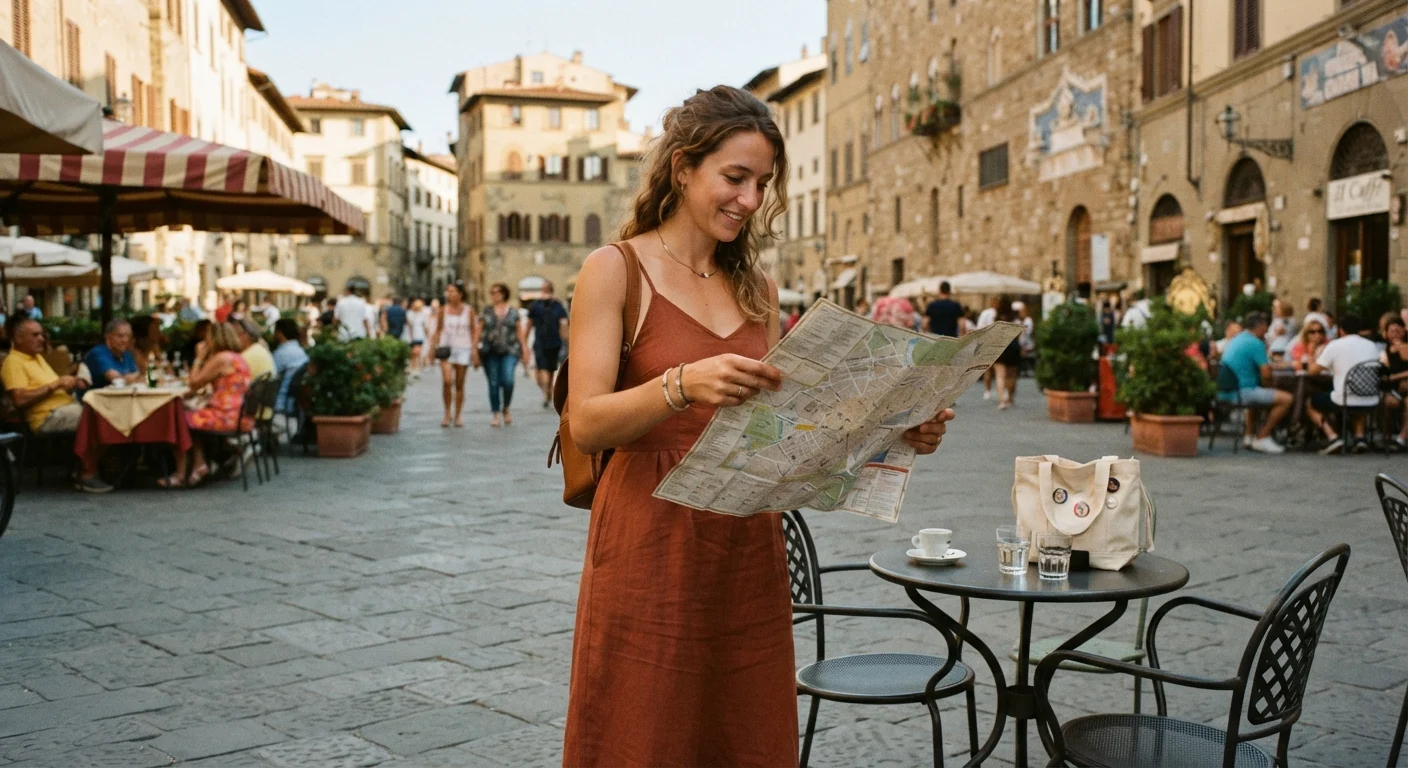
Vague intentions - "I'll just wander" - often result in circling the same area without purpose, then returning feeling underwhelmed. A single concrete goal, such as finding a local bakery or walking along a specific street, creates momentum without over-scheduling.
Download offline maps for the day's location before leaving the hotel.
Data roaming charges and unreliable connectivity can strand you without navigation exactly when you need it most. Offline maps remove that dependency and let you move confidently through unfamiliar areas.
Pair up with one other group member for free time if possible.
Solo exploration during tour free time carries a mild safety consideration in unfamiliar cities, and a second person also doubles the chance of noticing something worth investigating. It also naturally prevents over-committing to activities that run long.
Quick Actions You Can Take Right Now
Whether you're mid-trip planning or still in the booking phase, these steps can be implemented immediately to make free time more productive.
For solo travelers in particular, structuring days with intentional breathing room transfers well to guided tour contexts - the same principle of planned flexibility applies even when a guide is setting the primary agenda.
Making Free Time Budget-Friendly
Guided tour packages often create a false sense that extra spending is required during free hours - that a meal at a recommended restaurant or an optional add-on excursion is the "right" way to fill the time. It isn't.
Public spaces, markets, waterfront walks, and neighborhood streets cost nothing to explore. In many cities, the areas immediately surrounding tour stops - which guides often overlook because they're considered too ordinary - offer genuine local character. If your tour includes a port or shore stop, maximizing that time without overspending follows the same logic: proximity, preparation, and a clear return window.
Ask About Free Time Locations Before You Book
The value of a free time block depends heavily on where it falls. Two hours of leisure time in a walkable city center is very different from two hours near a highway-side lunch stop. When evaluating a tour package, ask the operator to specify where each free block is located - not just how long it lasts. This one question can reveal a lot about how thoughtfully the itinerary was designed.
Before signing up for any guided tour, it's also worth running a systematic check on what's included versus what costs extra. A pre-booking checklist can surface hidden fees and thin itineraries before your deposit clears - giving you a clearer picture of where your free time will actually land.