
Why New England Foliage Trips Get Expensive - and How to Push Back
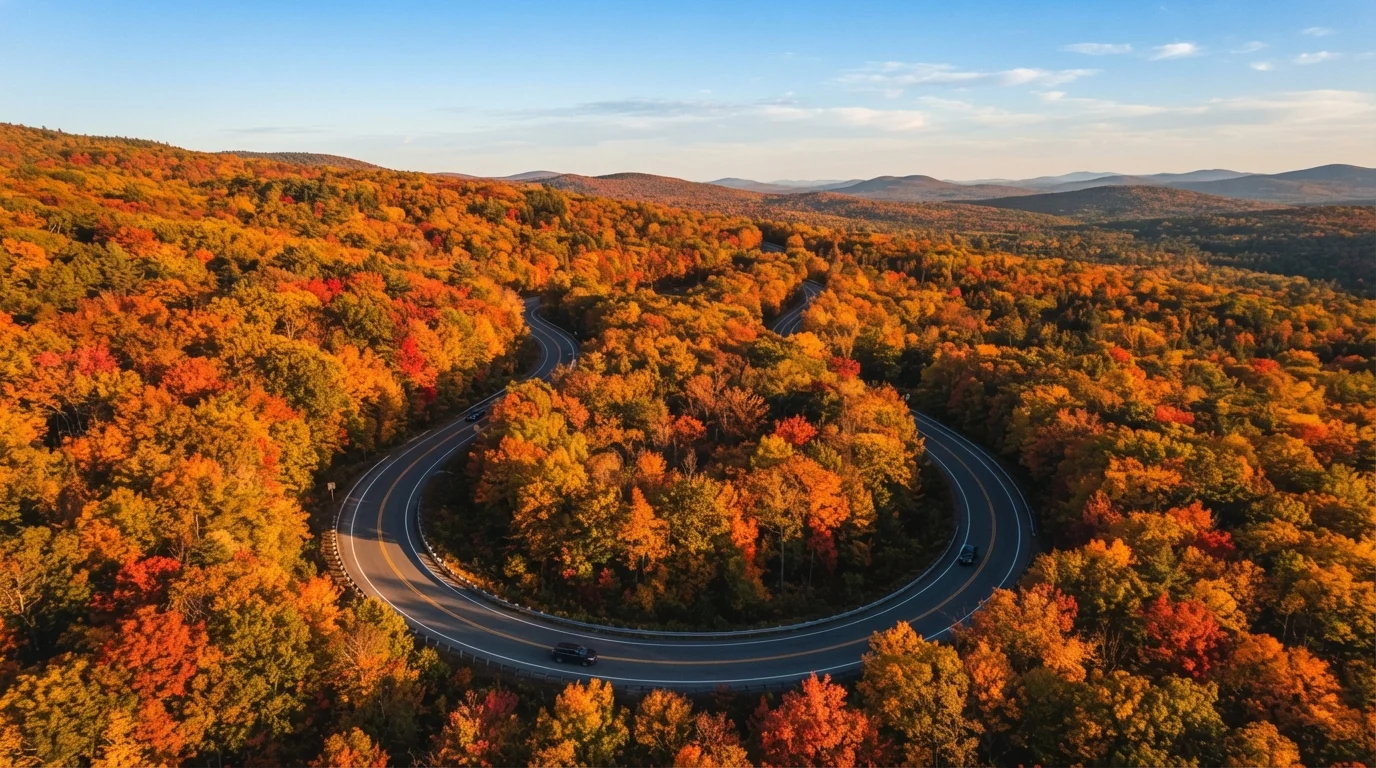
New England fall foliage is one of the most coveted road trip experiences in the country, and the travel industry prices it accordingly. A combination of compressed timing (the peak window is roughly four to six weeks), concentrated demand in a small number of famous towns, and calendar clustering around Columbus Day weekend creates a pricing environment that can catch unprepared travelers off guard.
The good news: the foliage doesn't charge admission. Nearly every cost spike on this route is avoidable with routing and timing adjustments rather than sacrifice of scenery. Smaller towns offer genuinely comparable - sometimes superior - color with far less congestion and lower overnight rates. Mid-week travel removes the weekend premium almost entirely. And the most spectacular stretches of this drive, including the Kancamagus Highway in New Hampshire and Route 2 through Vermont's Northeast Kingdom, cost nothing to drive.
Finding the slightly off-peak window is the core skill that separates a financially painful foliage trip from a genuinely affordable one. The week before Columbus Day often delivers 80-90% of peak color at 60-70% of peak pricing - a trade-off most travelers would take if they knew it existed.
Mid-Week Is Your Secret Weapon
Traveling Tuesday through Thursday slashes both lodging rates and road congestion across every town on this route. Many smaller inns and B&Bs offer noticeable mid-week reductions, and you'll find popular overlooks and trailheads far less crowded. If you can swing it, even shifting departure from Saturday to Monday makes a measurable difference.
What to Know Before You Go
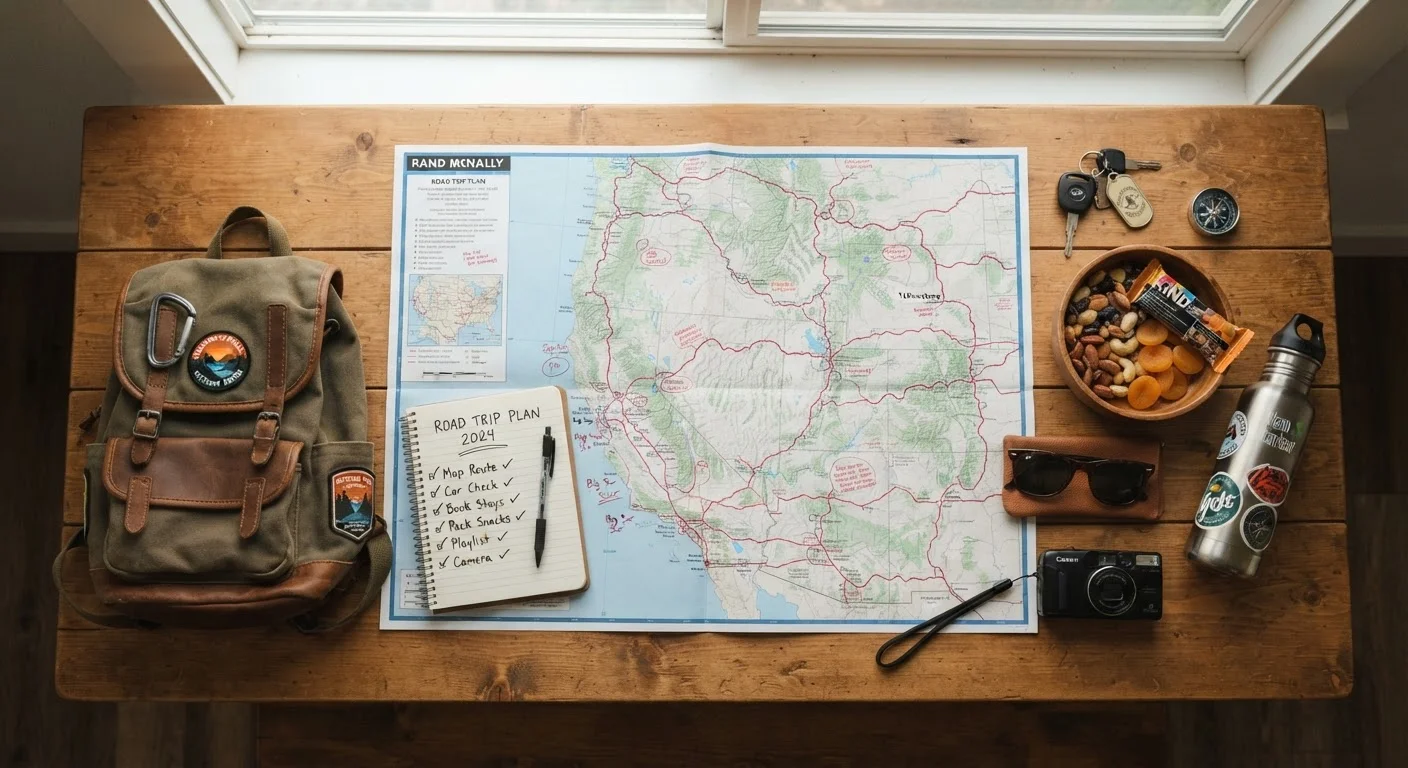
This route is best suited to travelers with some comfort navigating rural roads and flexible enough schedules to shift a day or two based on foliage reports. Cell service is intermittent across parts of Vermont and western Maine, so offline navigation is essential rather than optional.
What you will need
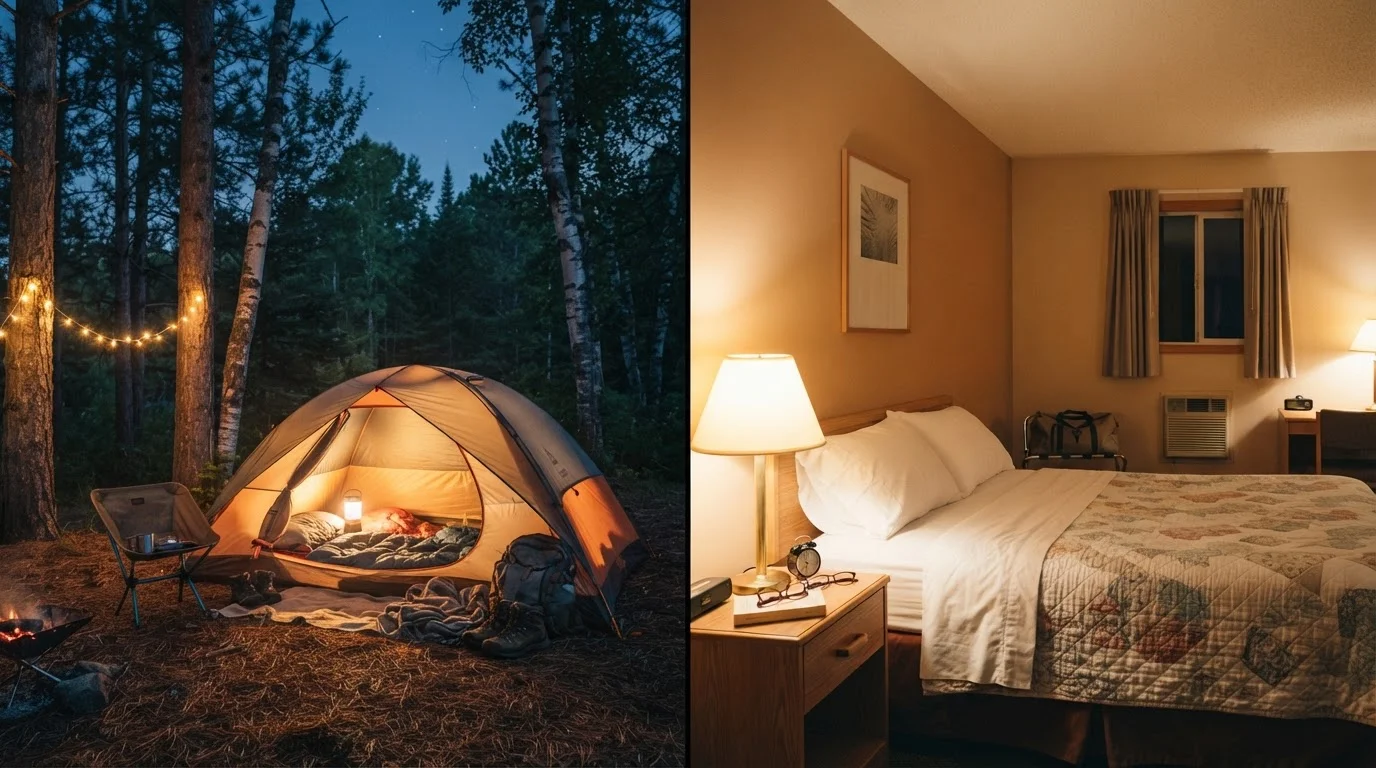
Weather in October across this region can swing from crisp sunny days to cold rain and early frost, particularly at elevation. Pack layers, waterproof footwear, and - if you're camping - cold-weather sleeping gear rated below 40°F. Check road conditions before driving any mountain passes if a weather system is moving through.
Columbus Day Weekend Prices Surge Sharply
Columbus Day weekend (second weekend of October) is the single most expensive stretch for New England fall travel. Lodging rates in popular areas like Stowe, VT, and North Conway, NH, can double or triple compared to surrounding weekdays. If your schedule allows, shift your trip one week earlier or later to capture comparable foliage at a fraction of the cost.
Finally, keep expectations calibrated: foliage color is a natural phenomenon and varies year to year. The route described here is designed to give you multiple bites at peak color across different elevations and latitudes rather than depending on one location hitting peak on a specific day.
State Foliage Tracker Websites
Vermont, New Hampshire, and Maine each publish official weekly foliage reports - use them to confirm peak timing before you finalize your route.
Offline Maps App
Cell service drops in mountain passes and rural stretches; download your route offline before departure.
Cooler and Reusable Grocery Bags
Packing picnic lunches and snacks from local grocery stores significantly reduces daily meal costs on a multi-day drive.
America the Beautiful Annual Pass
Covers day-use fees at federally managed recreation areas along the route, including White Mountain National Forest sites.