Key considerations for planning a trip to Japan
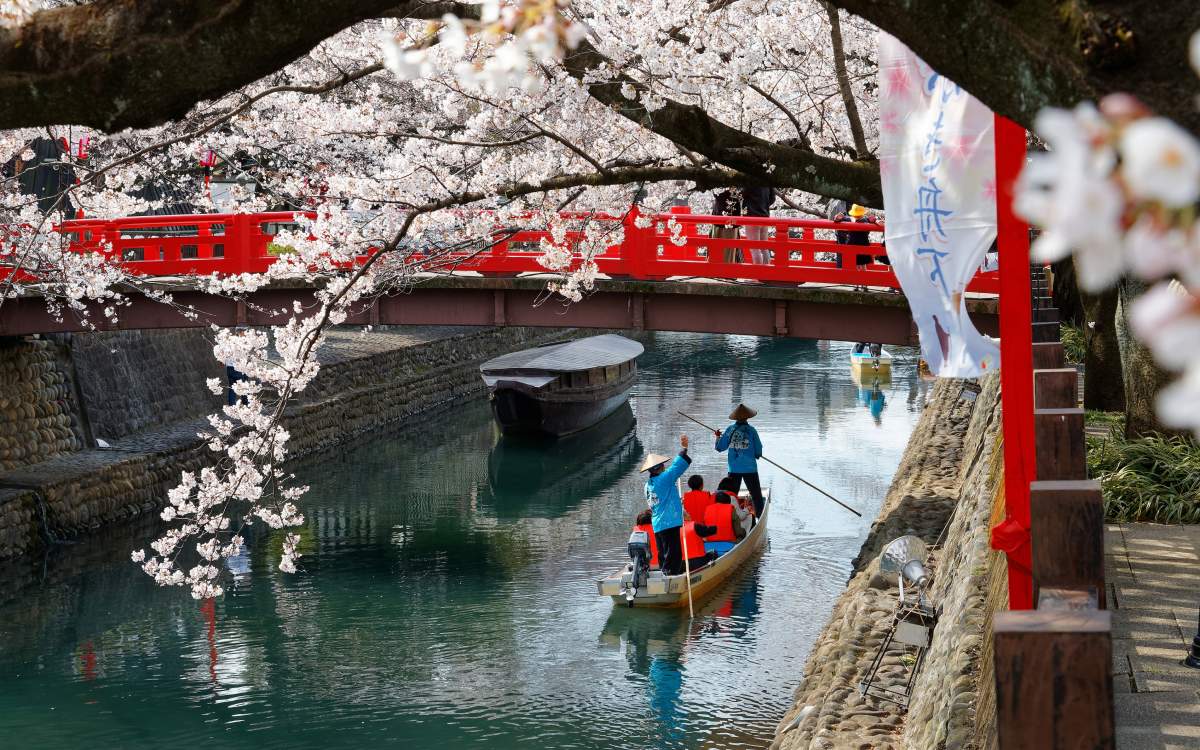
Japan attracts travelers for its quintessential mix of modern cities like Tokyo, historic towns like Kyoto, high-speed rail like the Shinkansen, and a strong cultural identity rooted in Buddhism and Shintoism. Saying that this country promises a range of experiences like no other is definitely no overstatement. However, before making any reservations, travelers should consider a few factors depending on the part of Japan they wish to explore.
Best time to visit Japan
Though individuals can travel to Japan year-round, experiences can vary significantly by season. The peak travel period in Japan is usually during spring and autumn.
Spring in Japan is mild and great for outdoor activity, while autumn offers cooler temperatures and clear sightseeing conditions. These seasons see a higher demand for flights, guided tours, and accommodations, which often leads to higher prices and fewer flight options.
Off-season travel typically includes the winter and late summer months. During these weeks, accommodation prices are more stable, and tour operators offer lower-priced packages. Off-season travel is a good choice for those who prefer visiting attractions with fewer crowds. Shoulder-season travel, which falls between off-peak and peak periods, often offers a better balance with comfortable weather and lower costs.
What to expect from the experience
Basic packages
Basic travel packages for Japan often focus on popular tourist spots and the efficiency of getting from one place to another. Their itineraries usually cover major cities, such as Kyoto, Tokyo, and Osaka. These attractions are close together and well connected by public transport. Usually, basic packages include guided tours and walking-based expeditions. Travelers can expect their meals to be partially covered in the value-based package.
Luxury packages
Luxury packages to Japan focus on personalization, comfort, and a relaxed pace of travel. Travelers can choose between traditional inns and luxury hotels for accommodation, along with additional services. Luxury package itineraries are more flexible and include private cultural experiences, tailored sightseeing schedules, and scenic day trips. Dining experiences may focus on curated meals and regional specialties.
Transportation and daily commute
Most travel itineraries for Japan are scheduled around its public transport. It is one of the most organized and punctual countries and is highly reliable when it comes to trains and subways. Tourists can book a travel package that includes regional or city-based passes to manage costs efficiently.
Daily sightseeing in most historic and urban neighborhoods can be done on foot here. That said, tourists must plan their routes carefully and read the posted signage to reduce the need for private transport in most cities.
Tips for a smooth trip
Planning a detailed itinerary can help reduce daily stress. Travelers can choose accommodations near major stations to shorten their travel time. This can also make navigation easier. They must remember to carry cash, as other payment methods may not work in other countries. Additionally, some smaller establishments might not accept cards.
It is essential to look up luggage-forwarding services for a handy way to transport luggage and avoid carrying the weight on trains. When traveling to Japan or any other country, tourists must ensure paperwork is completed in advance and that all the basics are covered. This includes pre-booked tickets, event bookings, travel insurance, and clear identification documents.
Understanding seasonal packing needs is also important. Comfortable walking shoes are essential, as many attractions involve extended walking. Lightweight clothing works well in warmer months, while layered clothing is useful in cooler months.
Rules and etiquette to know
Japan and its people place strong emphasis on public courtesy and order. Everyone is expected to exhibit quiet behavior on public transport. This also may mean avoiding phone conversations on trains as much as possible. Certain indoor spaces require people to remove their shoes outdoors, especially in places with traditional accommodations and some cultural sites. Many public spaces operate under clear rules; following them is essential.
Punctuality is valued in Japan. It is expected of people to arrive on time for tours, reservations, and transport. Waste is disposed of according to clear sorting guidelines, and littering is uncommon. Respecting and following the rules and etiquette can lead to more positive interactions throughout the trip.